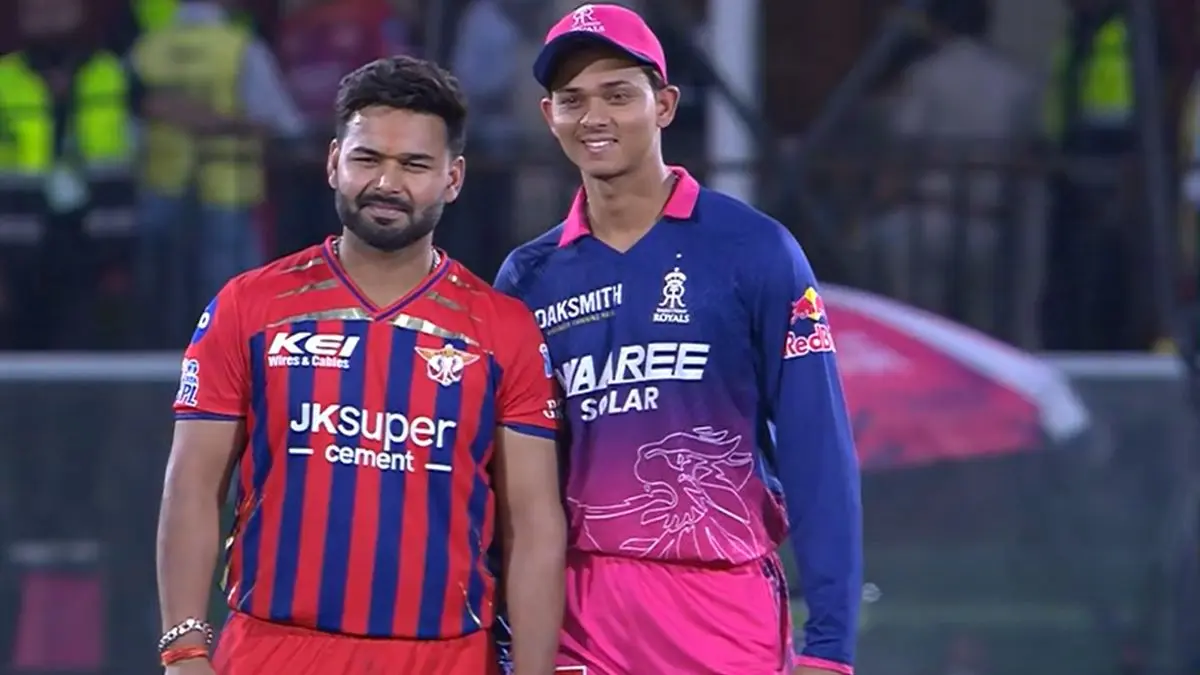
Afghanistan vs India 2026 Test Match Day 3: Get the latest updates, session-wise analysis, scorecard details, standout performers, and expert insights from the third day of the Test match.


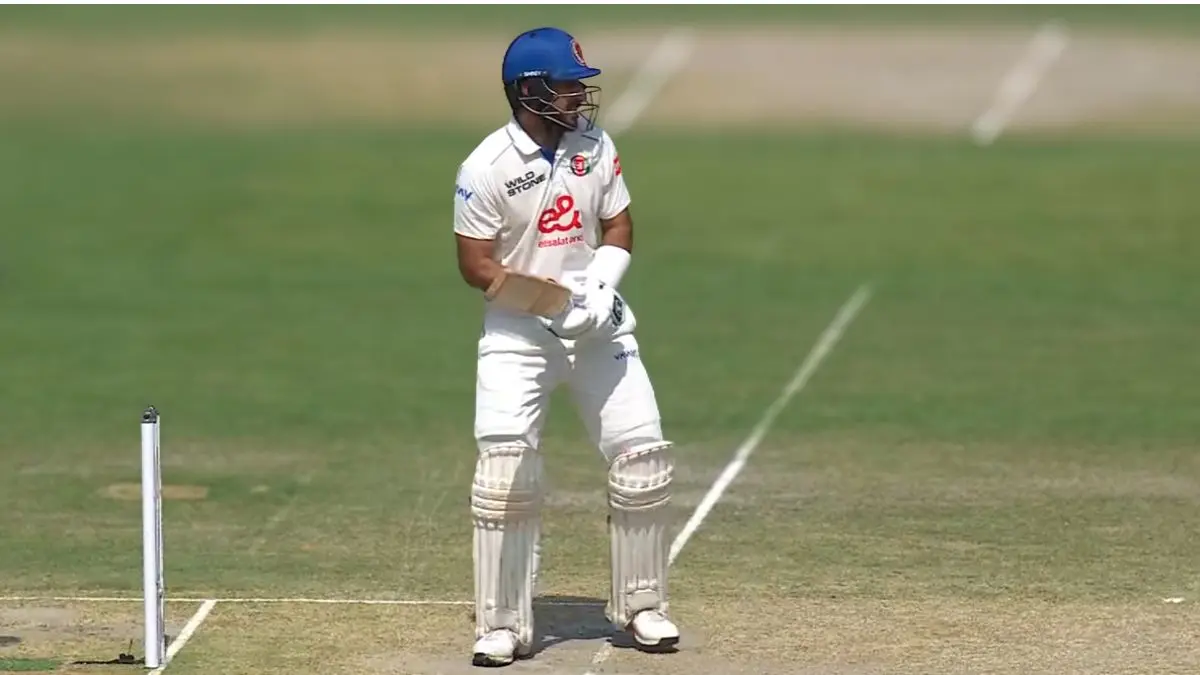
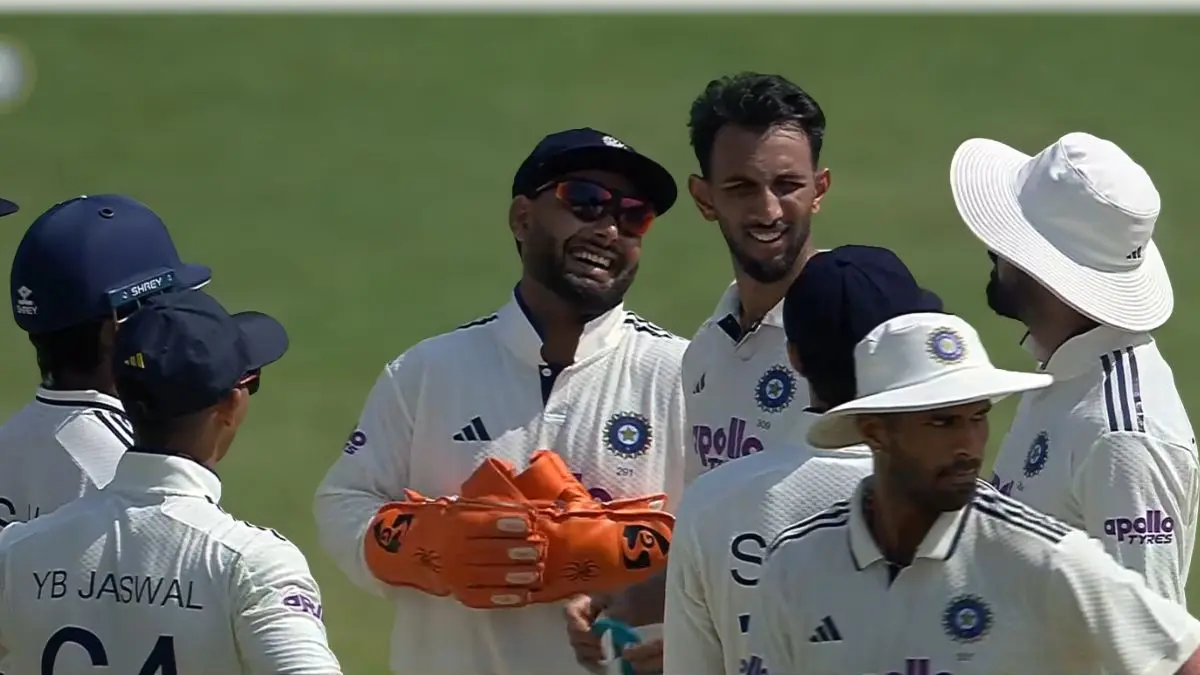

The final line of the scoreboard tells a story of absolute, unassailable supremacy: “IND won by an innings and 300 runs.” This single sentence, repeated across the three data sheets, encapsulates a contest so one-sided that it borders on the ritualistic. To understand how such a margin—an innings and three hundred runs—is achieved in the sport of cricket, one must delve into the granular details of the three innings played. The provided records offer a complete, if stark, portrait of a match where one team accumulated, declared, and then systematically dismantled the opposition twice over.
This analysis will proceed in three movements, corresponding to the three innings of the match: India’s sole batting effort, Afghanistan’s first response, and their subsequent follow-on innings. Through the lens of the batting figures, bowling analyses, fall of wickets, and extras, we will reconstruct the tactical and psychological dimensions of a performance that left no room for ambiguity.
The Blueprint of a Declaration – India’s 564 for 8
India’s first innings, declared at 564 for the loss of 8 wickets in 127 overs, is not merely a collection of runs; it is a manifesto of intent. The declaration at 564/8d, with a batter (Kuldeep Yadav) still at the crease on 9 not out, signals a captain’s belief that the total is already insurmountable. The batting card reveals a top and middle order that treated the attack with a blend of respect and calculated aggression, building partnerships that choked any potential Afghan fightback.
The openers provided a steady, if not spectacular, start. Yashasvi Jaiswal’s 32 off 24 balls, at a strike rate of 75.00, was the most aggressive of the top-order contributions. His dismissal, caught by Afsar Zazai off the bowling of Mohammad Saleem, ended a 41-run first-wicket stand in the 12th over. This was not a collapse but a mere change of guard. KL Rahul, the other opener, played a distinctly different innings. His 100 runs came from 165 deliveries, a strike rate of 60.61 that speaks to classical Test match accumulation. The 11 fours he hit dotted the boundary, but more importantly, his patience allowed the innings to be built around him. Caught by Rahmanullah Gurbaz off Ziaur Rahman, Rahul’s wicket at 247/3 in the 60th over was the third to fall, but by then, the foundation was concrete.
Sai Sudharsan, at number three, contributed a vital 81 off 104 balls (strike rate 77.88), with 13 fours. His partnership with Rahul pushed the score from 41/1 to 180/2, adding 139 runs for the second wicket. This was the first of several substantial partnerships that defined the innings. Sudharsan fell to the same combination as Jaiswal: caught by Afsar Zazai, bowled Mohammad Saleem. The Afghan wicketkeeper, Afsar Zazai, would feature repeatedly in the fall of wickets, a testament to his safe hands behind the stumps, even as the runs flowed freely.
The captain, Shubman Gill, then anchored the innings with a magnificent 126. His 177-ball knock, featuring 15 fours and a six, was the cornerstone of the Indian total. Gill’s strike rate of 71.19 reflects modern Test batting—busy, rotating strike, and punishing the bad ball. His partnership with Rahul added 67 runs for the third wicket (from 180/2 to 247/3). After Rahul’s departure, Gill found a more aggressive partner in Rishabh Pant. The wicketkeeper-batter smashed 81 from 121 balls, a knock that included 6 fours and 3 sixes, at a strike rate of 66.94. The fourth-wicket partnership between Gill and Pant yielded a massive 169 runs (from 247/3 to 416/4), effectively putting the match beyond Afghanistan’s reach. Pant’s eventual dismissal was unusual: caught by Azmatullah Omarzai off the bowling of the opposition captain, Hashmatullah Shahidi—a rare bowling change that brought a wicket.
The middle-lower order then demonstrated that the depth of Indian batting was equally punishing. Dhruv Jurel made a brisk 19 off 20 balls (strike rate 95.00) before becoming Mohammad Saleem’s fourth victim. Washington Sundar, coming in at seven, remained unbeaten on 52 off 68 balls, a mature innings with 5 fours and a six. He found an able ally in Manav Suthar, who contributed 28 off 41 balls (2 fours, 2 sixes), before he too fell to Mohammad Saleem, caught by Afsar Zazai for the fifth time in the innings. The lower-order spectacle was completed by Mohammed Siraj, whose 22 off 12 balls at a staggering strike rate of 183.33 (4 fours, 1 six) was a cameo of pure aggression. He was Saleem’s sixth and final wicket. The ninth-wicket partnership between Sundar and Kuldeep Yadav (9 not out) was left unfinished as the declaration came.
The Extras and the Bowling Analysis
The Indian total of 564 included 22 extras: 4 no-balls, 1 wide, 4 byes, and 13 leg-byes. The high number of leg-byes (13) suggests some waywardness from the Afghan bowlers, as the ball frequently deflected off the batter’s pads.
Turning to the Afghan bowling figures, a story of endurance and targeted exploitation emerges. Ziaur Rahman bowled 24 overs, conceding 91 runs for 1 wicket, an economy of 3.79. Azmatullah Omarzai was even more economical, with 22 overs, 5 maidens, 67 runs, and 0 wickets (economy 3.05). Nangeylia Kharete, surprisingly, bowled 23 overs without taking a wicket, conceding 115 runs at an economy of exactly 5.00.
The spearhead and lone wicket-taker of significance was Mohammad Saleem. He bowled 27 overs, conceded 140 runs, and took 6 wickets. While his economy of 5.19 was the highest among the frontline bowlers, his wickets included Jaiswal, Sudharsan, Jurel, Suthar, Siraj, and Pant—six of the eight dismissals. His figures are those of a bowler who was expensive but persistent, and who ultimately reaped the rewards of bowling the most overs. However, conceding 140 runs in 27 overs (5.19 per over) on what appears to be a flat pitch indicates that India’s batters were always in control, even when losing wickets.
The fall of wickets sequence—41, 180, 247, 416, 452, 456, 510, 540—reveals no collapse. Each wicket fell only after a significant partnership had been established. This is the hallmark of a team batting with discipline and depth. The declaration at 564/8 was not a necessity but a choice, a statement that the Indian captain believed his bowlers had more than enough to defend.
The First Collapse – Afghanistan Bowled Out for 112
If India’s batting was a masterclass in accumulation, Afghanistan’s first innings was a lesson in disintegration. Chasing 564 was always a psychological impossibility, but the manner of their dismissal—all out for 112 in 35.5 overs—suggests a batting unit that had conceded defeat before stepping to the crease. The innings lasted barely more than a session, and the scorecard reads like a series of missed opportunities and soft dismissals.
The top order showed glimpses of resistance but no permanence. Sediqullah Atal top-scored with 42 off 80 balls, a relatively sedate knock that included 5 fours and a six. His dismissal, caught by Prasidh Krishna off Washington Sundar, came at 98/5—by which point the innings was already in freefall. Abdul Malik made 8 off 40 balls before being lbw to Mohammed Siraj. Rahmanullah Gurbaz’s 24 off 24 balls (3 fours, 1 six) was aggressive but brief; he was caught by Prasidh Krishna off Kuldeep Yadav. Rahmat Shah (13 off 16), captain Hashmatullah Shahidi (5 off 10), and wicketkeeper Afsar Zazai (8 off 19) all fell cheaply.
The lower order offered no resistance. Azmatullah Omarzai (4), Nangeyalia Kharote (6), Ziaur Rahman (0 not out), and Mohammad Saleem (0) collapsed in a heap. The final ignominy was the “absent hurt” of Sharafuddin Ashraf, listed as the eleventh player but who did not bat, leaving the innings to close at 112 all out. The extras were a mere 2 no-balls, indicating no charitable donations from the Indian bowlers.
The Bowling Analysis: A Spinner’s Paradise
The Indian bowling figures for the first Afghanistan innings are a clinic in controlled destruction. Manav Suthar, the left-arm spinner, bowled 10 overs, conceded only 29 runs, and took 2 wickets at an economy of 2.90. Prasidh Krishna, the lone seamer in the attack listed, bowled 3 overs for 6 runs and no wickets (economy 2.00). But the star was Washington Sundar. He bowled 10 overs, conceded 34 runs, and took 4 wickets—the dismissals of Atal, Rahmat Shah, Shahidi, and Omarzai. His economy of 3.40 was impressive, but his ability to break partnerships was crucial.
Kuldeep Yadav, the wrist-spinner, also shone. In 7.5 overs, he conceded 30 runs and took 3 wickets, including Gurbaz, Kharote, and Saleem. His economy of 3.83 was the highest among the four bowlers used, but still commendable. The fall of wickets—42, 74, 87, 93, 98, 106, 106, 112, 112—shows a steady, inexorable decline. There were no partnerships of note. The innings folded for 112, leaving India with a first-innings lead of 452 runs, which is why they enforced the follow-on.
The Second Collapse – 152 All Out and the Innings Victory
Forced to bat again, Afghanistan needed a minor miracle. What they produced was a marginal improvement—152 all out in 58.4 overs—but still woefully inadequate. The target to make India bat again was 453, a distance they never threatened. The second innings batting card is not presented in the same structured table as the first; instead, it appears as a list of dismissals, almost like a death certificate for each batter.
The openers fell quickly. Abdul Malik was caught by Mohammed Siraj off Manav Suthar for a low score (the exact runs are not listed in the text, but the fall of wickets shows 28/1). Sediqullah Atal was bowled by Prasidh Krishna (40/2). Rahmanullah Gurbaz was caught by Sai Sudharsan off Manav Suthar (62/3). Rahmat Shah was bowled by Manav Suthar (143/8—note the unusual order). Captain Hashmatullah Shahidi was lbw to Prasidh Krishna (98/4). Afsar Zazai was caught and bowled by Manav Suthar (113/5). Azmatullah Omarzai was bowled by Prasidh Krishna (118/6). Sharafuddin Ashraf, who was absent hurt in the first innings, did bat this time, only to be caught by Rishabh Pant off Manav Suthar (142/7). Nangeyalia Kharote remained not out, while Mohammad Saleem was lbw to Manav Suthar (143/9). The innings finally ended when Ziaur Rahman was caught by Rishabh Pant off Washington Sundar for 152/10.
The fall of wickets sequence—28, 40, 62, 98, 113, 118, 142, 143, 143, 152—reveals a familiar pattern: regular strikes with no significant resistance. The only small partnership of note was the seventh-wicket stand of 24 runs between Ashraf and Kharote, but it was a mere delay of the inevitable.
The Bowling Analysis: Suthar’s One-Man Army
The second-innings bowling figures are where the individual brilliance truly shines. Manav Suthar was devastating. He bowled 22 overs (10 of which were maidens), conceded only 33 runs, and took 6 wickets. His economy of 1.50 on a fifth-day pitch (or whatever day this was) is extraordinary. He dismissed Malik, Gurbaz, Rahmat Shah, Zazai, Ashraf, and Saleem—six of the ten wickets. He was unplayable.
Prasidh Krishna provided able support, taking 3 wickets for 37 runs in 11 overs (economy 3.36), dismissing Atal, Shahidi, and Omarzai. Mohammed Siraj bowled 9 overs, took 2 wickets for 29 runs (economy 3.22). Washington Sundar took the final wicket, that of Ziaur Rahman, but his figures are partially cut off in the document. The combination of Suthar’s left-arm orthodox and Krishna’s pace was too much for a batting line-up that had already been traumatized by the first innings.
Conclusion: Anatomy of an Innings-and-300-Run Victory
The margin of an innings and 300 runs is one of the most decisive in cricket. It means that a team’s combined total across two innings is less than the opposition’s single innings total, minus a margin of 300. Here, Afghanistan scored 112 and 152, for a combined 264. India declared at 564. The difference is exactly 300.
Several factors emerge from the data. First, India’s batting depth and partnership building were exemplary. Four batters scored fifties, two converted to centuries (Rahul, Gill). The middle order contributed vital runs (Pant, Sundar), and even the tail wagged (Siraj). Second, the Afghan bowling, while honest (Azmatullah economical, Saleem wicket-taking), lacked the firepower to consistently threaten. Third, and most critically, the Afghan batting failed twice under pressure. Their top order showed starts (Atal’s 42 and 0?—he was out for 42 in first innings and then bowled for a low score in the second; Gurbaz’s 24 and a catch; Rahmat Shah’s 13 and bowled), but no one, not a single batter, crossed 50 across two innings.
The star of the match, if one were to be named from the data, is not a batter but the left-arm spinner Manav Suthar. He took 2 wickets in the first innings and 6 in the second, for a match total of 8 wickets at an astonishingly low economy. His 22-over spell of 10 maidens and 33 runs for 6 wickets in the second innings is the kind of performance that wins matches by an innings and 300 runs.
Ultimately, the records from this match depict a contest between a team operating at peak professional efficiency and a team whose spirit was broken by the sheer weight of runs. The declaration at 564/8 was a tactical masterstroke; the follow-on enforcement was a formality. The final scoreline—IND won by an innings and 300 runs—is not just a result; it is a mathematical expression of total dominance, leaving no ambiguity about which side was superior in every facet of the game. The data within these images tells a story of discipline, depth, and a clinical execution of a plan to bat once, bowl twice, and win by a margin that will be remembered in the annals of this particular fixture.
Footnotes
https://www.icc-cricket.com/matches/269853/india-vs-afghanistan
https://www.bcci.tv/events/282/afghanistan-in-india-only-test-2026/match/2412/only-test
References
https://www.icc-cricket.com/matches/269853/india-vs-afghanistan
https://www.bcci.tv/events/282/afghanistan-in-india-only-test-2026/match/2412/only-test