Afghanistan Tour of India 2026 Test Match Day 2: Get the latest scorecard, batting and bowling performances, session analysis, records, and major moments from the ongoing Test battle.

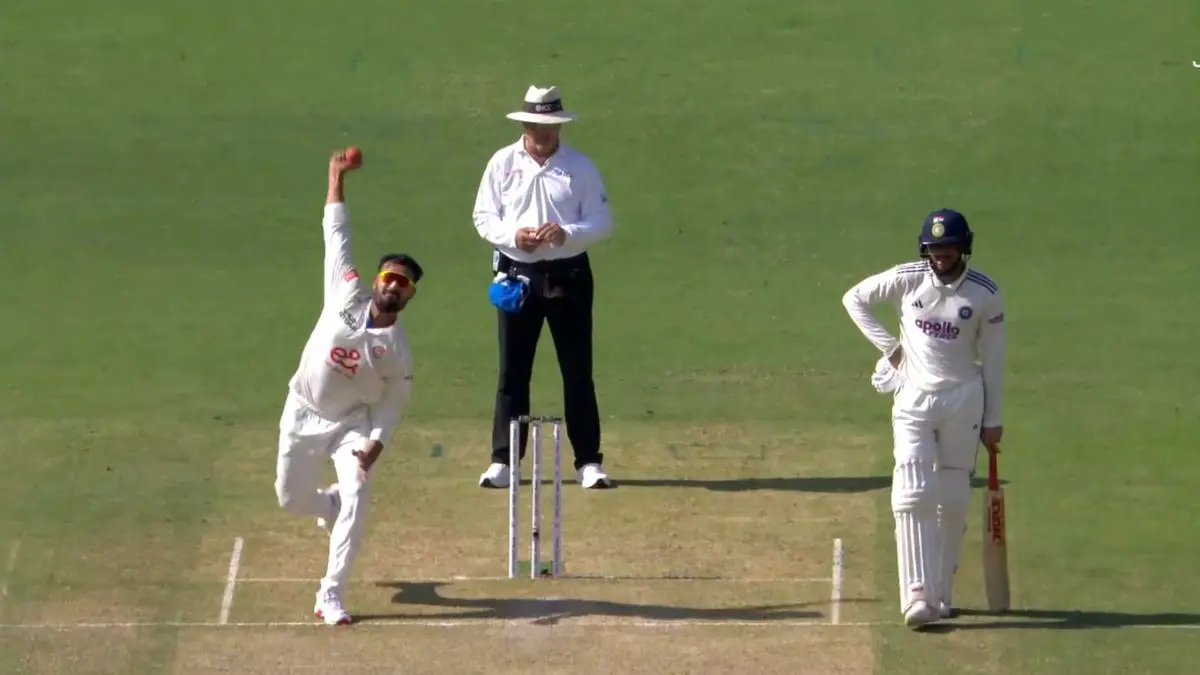

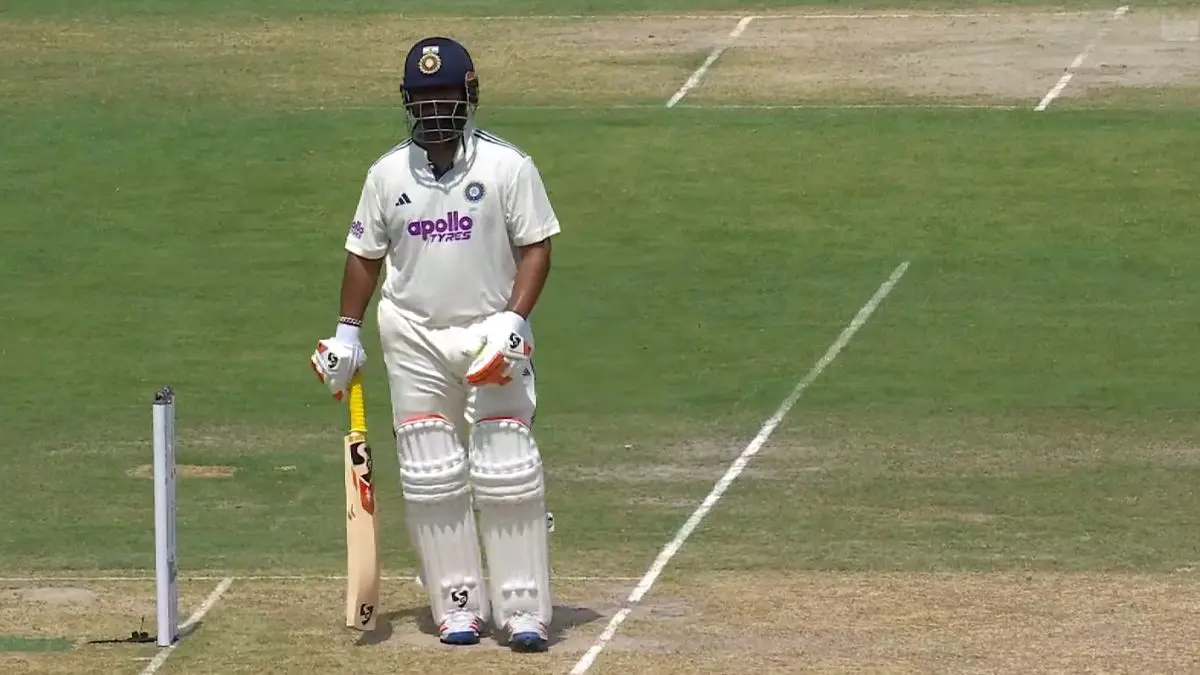
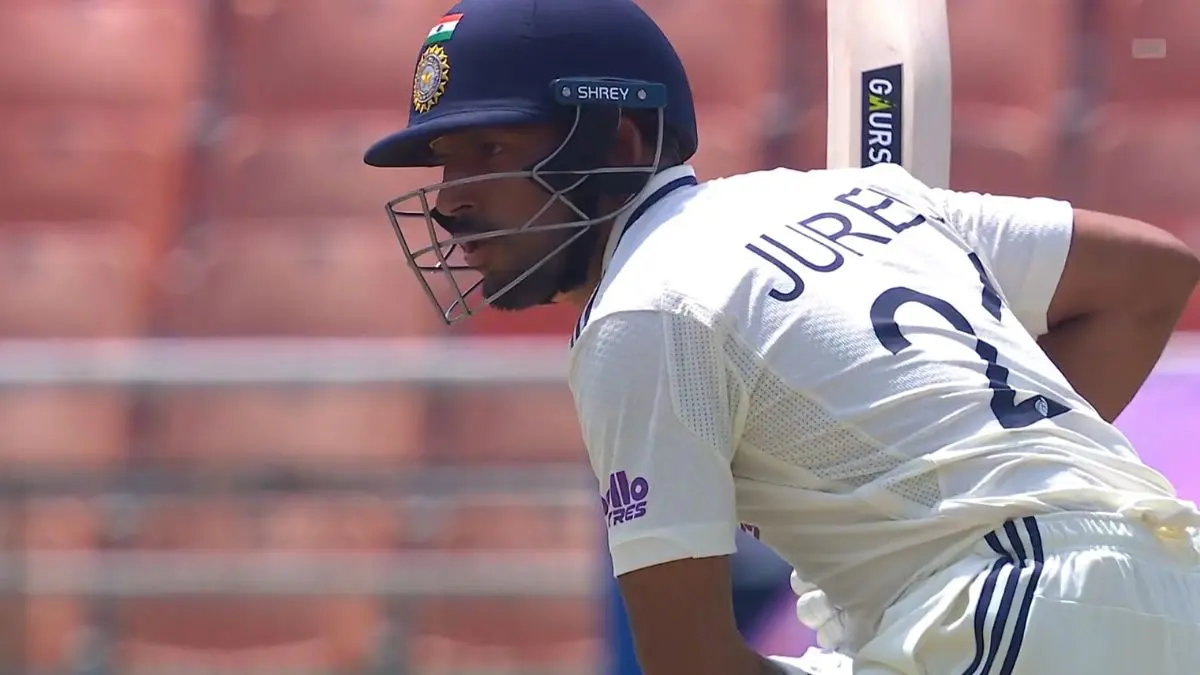
At the close of play on the second day, the scoreboard tells a story of complete dominance from one side and a grim, unyielding struggle from the other. India, having batted with patience, precision, and occasional flair, declared their first innings at an imposing 564 for the loss of eight wickets. In reply, Afghanistan’s first innings is already in disarray, limping to stumps at 113 for five. They still trail by a colossal 451 runs, with only five wickets standing and the ominous prospect of following on looming large. This is a match that has moved beyond mere competition; it is a test of endurance, technique, and resolve for a batting lineup that has so far found the Indian bowling attack unforgiving.
The numbers on the board—564/8 declared, followed by 113/5—are stark. They reflect not just a gap in runs but a gulf in execution, patience, and the ability to construct substantial innings under pressure. India’s batting was a masterclass in building a total, featuring three centurions and two other batsmen crossing fifty. In contrast, Afghanistan’s reply has been a series of unfortunate starts, punctuated by one man’s lonely resistance. To understand the chasm between the two sides, one must delve into the details of each innings, the fall of each wicket, and the subtle shifts in momentum captured in the bowling figures.
India’s Innings – A Blueprint of Consolidation and Acceleration
India’s first innings, spanning 127 overs, was a study in disciplined accumulation. The decision to declare at 564 for eight suggests a captain confident in his bowling attack’s ability to exploit a wearing pitch or simply a desire to have enough time to bowl the opposition out twice. The innings was built on three pillars: KL Rahul’s composed hundred, Shubman Gill’s authoritative 126, and vital contributions from the middle and lower order that pushed the total beyond the 550-run mark.
The Foundation: A Steady Start and a Crucial Stand
The innings began with Yashasvi Jaiswal, who looked fluent in his short stay of 32 balls, striking five boundaries for his 24. His dismissal, caught by the wicketkeeper Afsar Zazai off the bowling of Mohammad Saleem, could have been an early setback. But it brought KL Rahul to the crease, and what followed was a period of consolidation. Paired with Sai Sudharsan, Rahul anchored the innings through the morning and afternoon sessions.
Sudharsan’s 81 off 104 balls was a lesson in classical Test batting. With 13 fours and a strike rate approaching 78, he was the aggressor in the partnership, while Rahul rotated strike and waited for the loose deliveries. The pair added 139 runs for the second wicket, taking the score from 41 for one to 180 for two. This stand broke the back of the Afghan bowling attack, which had started with reasonable discipline. Ziaur Rahman and Azmatullah Omarzai bowled tight lines in the first session, but as the partnership grew, so did the frustration. Sudharsan’s eventual dismissal, again caught by Afsar Zazai off Mohammad Saleem, was a breakthrough, but it was temporary relief for the fielding side.
The Middle-Order Mastery: Rahul and Gill Take Over
KL Rahul’s century was a milestone of grit. Facing 165 deliveries, he hit just 11 boundaries, indicating that his runs came more from smart placement and quick singles than from aggressive strokeplay. His strike rate of 60.61 in a modern Test context is a reminder of the old virtues: leaving the ball, playing late, and respecting good deliveries. His downfall came at 247 for three, caught by Rahmanullah Gurbaz off Ziaur Rahman. By then, he had done his job.
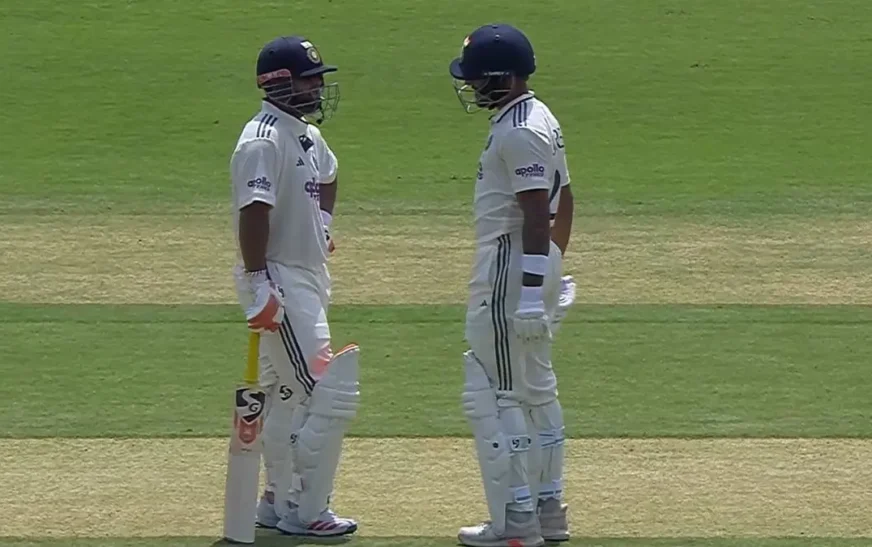
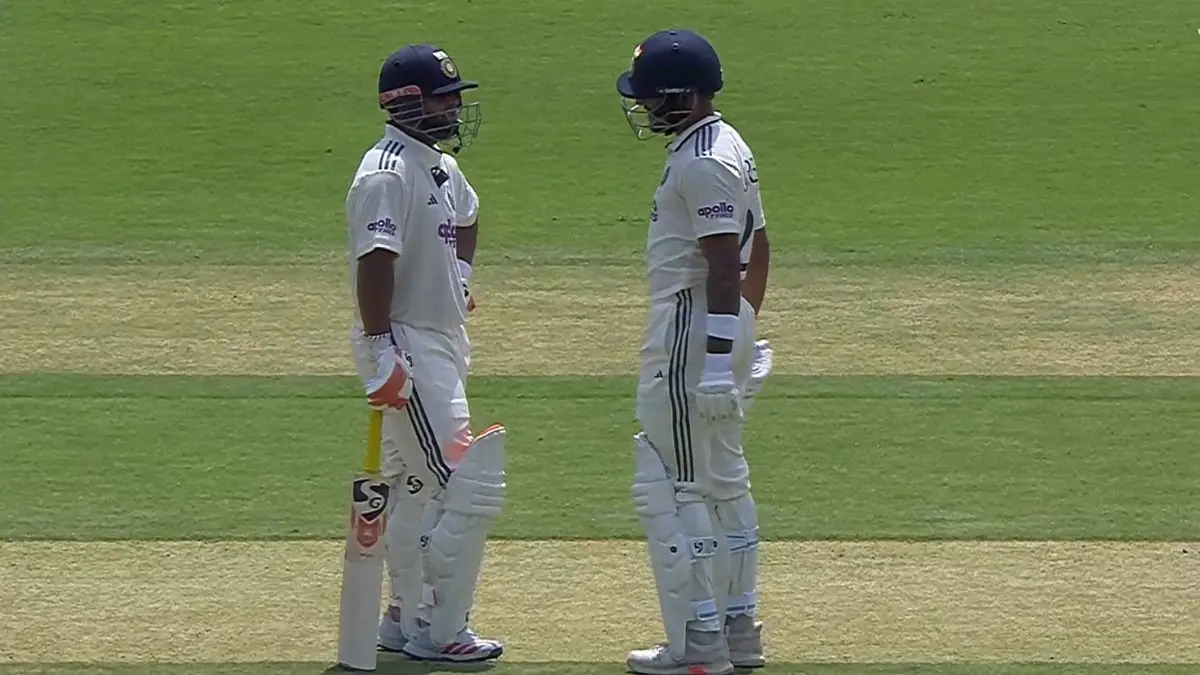
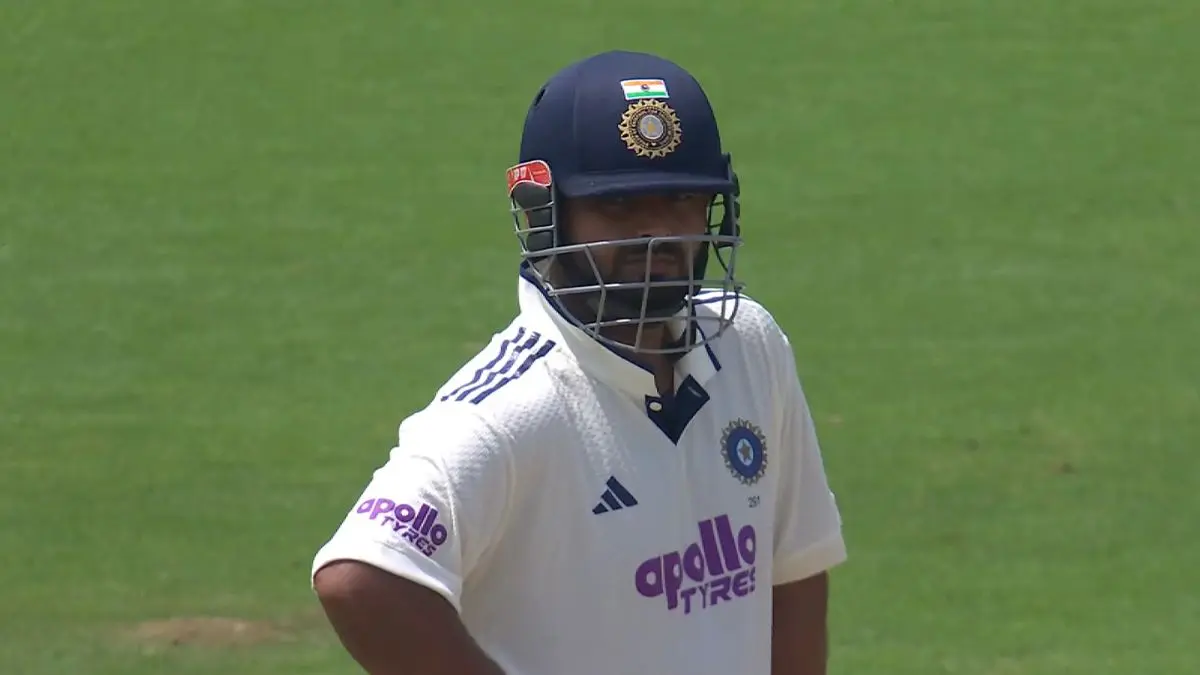
Enter Shubman Gill, the captain, who would go on to score the innings’ highest individual total. His 126 off 177 balls was a blend of elegance and power—15 fours and a six. More importantly, he found an able partner in Rishabh Pant, who contributed a rapid 81 off 121 balls, including three sixes. Their fourth-wicket partnership was the defining phase of the innings. Coming together at 247 for three, they added 169 runs before Gill fell at 416 for four, caught once again by Afsar Zazai, with Mohammad Saleem claiming his fourth wicket of the innings.
Pant’s dismissal was unusual: caught off the bowling of Afghanistan’s captain, Hashmatullah Shahidi, a part-time spinner pressed into service out of desperation. It was a reminder that even part-timers can strike when batsmen seek quick runs. Pant’s strike rate of 66.94, with three sixes, showed his intent to keep the scoreboard moving, even as the lead swelled beyond reach.
Lower-Order Fireworks: Washington Sundar and the Tail’s Resistance
A total of 564 for eight is rarely achieved without runs from the lower order. Washington Sundar’s unbeaten 52 off 68 balls was a mature, counter-attacking knock. With five fours and a six, he ensured that India did not lose momentum after the fall of the fifth wicket at 452. Manav Suthar chipped in with a handy 28, including two sixes, before falling to Mohammad Saleem.
Mohammed Siraj’s cameo of 22 off just 12 balls was a blaze of hitting—four boundaries and a six at a strike rate of 183.33. It was the kind of innings that deflates a tiring attack. Kuldeep Yadav remained unbeaten on 9, and the declaration came after 127 overs, with Prasidh Krishna not even required to bat. The message was clear: India had more than enough runs.
The Bowlers’ Toil: Mohammad Saleem Shines in a Thankless Task
From Afghanistan’s perspective, the bowling figures tell a tale of endurance against quality batting. Mohammad Saleem was the pick of the bowlers, returning figures of 6 for 140 from 27 overs. His economy rate of 5.19, while high, was a consequence of bowling to aggressive batsmen on a flat pitch. He dismissed Jaiswal, Sudharsan, Gill, Jurel, Suthar, and Siraj—a true workhorse’s haul.
Ziaur Rahman bowled 24 overs, conceding 91 runs for a single wicket (KL Rahul). His economy of 3.79 was the most economical among the frontline bowlers. Azmatullah Omarzai was even tighter, conceding just 67 runs in 22 overs, but without taking a wicket. The lack of support for Saleem meant that India could always rotate strike and build partnerships. The extras column—4 no-balls, 1 wide, 4 byes, and 13 leg-byes—added 22 needless runs, a sign of sloppy discipline in the field.
Afghanistan’s Reply – A Struggle for Survival
If India’s innings was a symphony, Afghanistan’s response so far has been a series of false notes. At stumps, they are 113 for five in 39.5 overs, still 451 runs behind. To put that in perspective: they have lost half their side and have not yet reached a quarter of India’s total. The only way to avoid an innings defeat is to bat through two more days, a task that looks improbable given their top-order fragility.
The Top-Order Wobble
The chase began disastrously. Abdul Malik, who had looked promising with 16 off 18 balls (three fours), was caught by Mohammed Siraj off the left-arm spin of Manav Suthar. The score was 28 for one. Four overs later, Sediqullah Atal was bowled by Prasidh Krishna for 17, and Afghanistan were 40 for two. Atal’s 27-ball stay had three boundaries but lacked the defensive solidity required against the moving ball.
The worst blow came at 62 for three, when Rahmanullah Gurbaz—usually an attacking batsman—was dismissed for a sluggish 12 off 40 balls. He was caught by Sai Sudharsan, again off Manav Suthar. Gurbaz’s strike rate of 30.0 was uncharacteristically low, suggesting he was trying to defend but failing to rotate strike, building pressure that led to his dismissal.
Rahmat Shah’s Lonely Resistance
Through the carnage, one man has stood firm: Rahmat Shah. At stumps, he remains unbeaten on 43 off 81 balls, with six fours and a six. He has been the only batsman to look comfortable against the varied Indian attack. His strike rate of 53.09 is modest, but in the context of a failing top order, it is heroic. He has watched partners come and go—first Malik, then Atal, then Gurbaz, and later Hashmatullah Shahidi and Afsar Zazai.
Shahidi’s dismissal was a particular blow. The captain was trapped lbw by Prasidh Krishna for 20, ending a 36-run partnership with Rahmat Shah. That stand had offered a glimmer of hope, taking the score from 62 for three to 98 for four. But once Shahidi fell, the tail was exposed. Afsar Zazai, the wicketkeeper, lasted 26 balls for just 3 runs before being caught and bowled by Manav Suthar at 113 for five.
The Bowling Analysis: Suthar and Krishna Dominate
India’s bowling figures are a revelation. Manav Suthar, the left-arm spinner, has been the wrecker-in-chief: 15.5 overs, 7 maidens, 21 runs, and three wickets at an economy of just 1.33. His victims include both openers and the dangerous Gurbaz, as well as the wicketkeeper Zazai. Suthar’s accuracy has been his greatest weapon; he has not given the batsmen any room to score freely.
Prasidh Krishna, the fast bowler, has taken two crucial wickets—Atal and Shahidi—for 27 runs in 7 overs, with an economy of 3.86. His bounce and movement have troubled all batsmen. Mohammed Siraj and Kuldeep Yadav have bowled six and seven overs respectively, each conceding 24 and 29 runs without taking a wicket. Washington Sundar, the off-spinner, bowled four economical overs (12 runs conceded). The variety in India’s attack—two seamers, two spinners (Suthar and Kuldeep), and a containing off-spinner—has made scoring difficult.
The Match Situation and What Lies Ahead
At stumps, the equation is brutal for Afghanistan. They trail by 451 runs with five wickets left. The follow-on target, if India chooses to enforce it, would be reached only if Afghanistan can avoid being bowled out for less than 365 (India’s total minus 200). Given they are 113 for five, they would need 252 more runs with only five wickets in hand—a near-impossible task.
However, Test cricket has seen improbable rearguards. Rahmat Shah remains at the crease, and the yet-to-bat list includes Azmatullah Omarzai, a capable all-rounder, Sharafuddin Ashraf, Nangeyalia Kharote, Ziaur Rahman, and Mohammad Saleem. The last three are bowlers, so realistically, the hopes rest on Omarzai and Ashraf to support Rahmat Shah. If they can add even 150 runs, they might force India to bat again, buying time.
But the pitch, while not a minefield, has shown variable bounce and increasing purchase for spinners. Manav Suthar’s figures are evidence of that. With Kuldeep Yadav and Washington Sundar yet to bowl long spells, the pressure will only mount on the fourth and fifth days.
Key Statistical Highlights
From the data provided, several numbers stand out:
- India’s top scorers: Shubman Gill (126), KL Rahul (100), Rishabh Pant (81), Sai Sudharsan (81), Washington Sundar (52*).
- India’s declaration: 564 for 8 in 127 overs, run rate of 4.44.
- Mohammad Saleem’s effort: 6 for 140 in 27 overs – the only Afghan bowler to take multiple wickets.
- Afghanistan’s batting: Only Rahmat Shah (43*) has crossed 20; four batsmen reached double figures but none converted.
- Bowling economy: Manav Suthar (1.33) and Prasidh Krishna (3.86) have been the most economical for India.
- Fall of wickets (Afghanistan): 28/1, 40/2, 62/3, 98/4, 113/5 – a steady decline with no partnership exceeding 40 runs.
Tactical Observations
India’s strategy was clear: bat once, bat long, and bowl with relentless accuracy. By declaring at 564, they left enough overs in the match to take 20 wickets. Their bowling rotation has been intelligent—using Suthar as the stock bowler, Krishna as the strike seamer, and saving Siraj and Kuldeep for shorter, sharper spells.
Afghanistan’s tactics, in contrast, have been reactive. Their top order played defensively but without the footwork or patience to survive. The fall of Gurbaz—their most attacking batsman—for a 40-ball 12 showed a lack of game plan against spin. Rahmat Shah’s approach of playing straight and waiting for loose balls is the only template that has worked.
The field settings, too, told a story. India attacked with slips and short legs for the spinners; Afghanistan, when bowling, spread the field after the first two sessions, allowing easy singles. The difference in intent was visible in the extras: India gave away 22 extras; Afghanistan gave only 2 (one no-ball, one wide) in their truncated innings so far.
Conclusion
At the end of the second day’s play, with the stumps drawn and the scoreboard reading 564/8d against 113/5, there is only one likely outcome. India is poised for an innings victory, unless a miracle unfolds over the next two days. Rahmat Shah’s unbeaten 43 is the solitary candle flickering against a gathering storm. For Afghanistan to save this match, they will need to bat more than 90 overs on the third day, score at least 300 more runs, and hope that rain or bad light intervenes.
The data leaves no room for false hope. They trail by 451 runs, have lost five wickets, and face an Indian attack that has bowled with discipline and variety. The only remaining question is not whether India will win, but how soon. Yet, in the spirit of Test cricket, one watches—because every session brings new battles, and every unbeaten batsman carries the hope of a fightback. For now, the mountain remains unclimbed, and Afghanistan is still at its base.
Footnotes
https://www.icc-cricket.com/matches/269853/india-vs-afghanistan
References
https://www.icc-cricket.com/matches/269853/india-vs-afghanistan