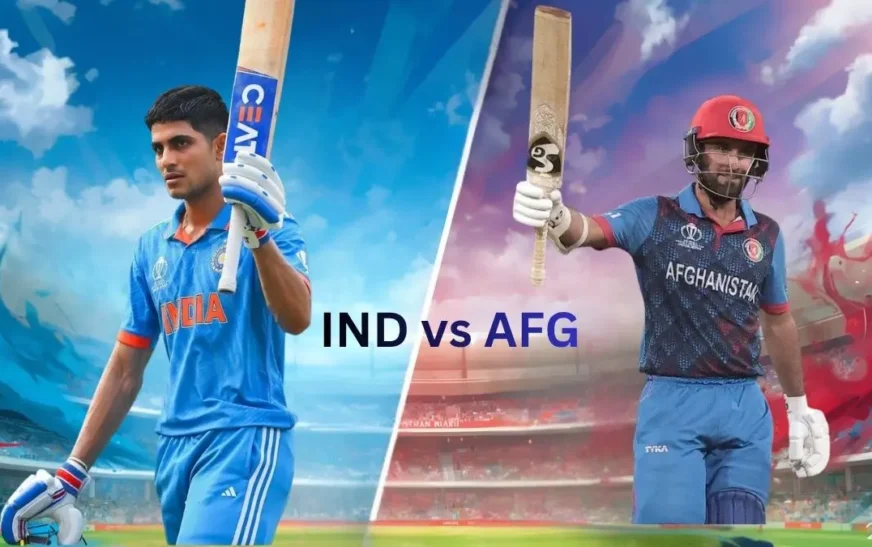
India National Cricket Team vs Afghanistan National Cricket Team Players
Cricket, in its grand tapestry, often weaves narratives that transcend the simple geography of the pitch. When two nations as passionately devoted to the sport as India and Afghanistan meet, the occasion is never merely a collection of overs and wickets. It is a dialogue between cricketing traditions—one defined by institutional depth and conveyor-belt talent, the other forged in resilience, adversity, and an almost romantic love for the game. The scheduled Tour of Afghanistan to India in June 2026, comprising a One-off Test match and a three-match One-Day International (ODI) series, promises to be precisely such a dialogue.
The official squad announcements, released by the Board of Control for Cricket in India (BCCI) and the Afghanistan Cricket Board (ACB), reveal the strategic priorities, fitness considerations, and philosophical approaches of both camps. India, under a new generation of leadership, appears to be carefully balancing the weight of iconic veterans with the hunger of uncapped prospects. Afghanistan, meanwhile, showcases a clear bifurcation in their thinking—restoring their lethal white-ball artillery while carefully nurturing a separate, grit-focused Test unit. This article dissects the full player lists for both nations, examining the composition, the notable inclusions and exclusions, and what these squads signal for the cricketing summer of 2026.
Test Match Squads
India (Test) | Afghanistan (Test) |
Hashmatullah Shahidi (C) | |
KL Rahul (Vc) | Ikram Alikhil (Wk) |
Afsar Zazai (Wk) | |
Rahmanullah Gurbaz | |
Rishabh Pant (W) | Sediqullah Atal |
Dhruv Jurel (W) | Rahmat Shah |
Devdutt Padikkal | Abdul Malik |
Nitish Kumar Reddy | Rahmanullah Zadran |
Washington Sundar | Azmatullah Omarzai |
Kuldeep Yadav | Nangyal Kharoti |
Mohammed Siraj | Sharafuddin Ashraf |
Prasidh Krishna | Qais Ahmad |
Manav Suthar | Ziaur Rahman |
Gurnoor Brar | Mohammad Saleem |
Harsh Dubey | Bilal Sami |
ODI Series Squads
India (ODI) | Afghanistan (ODI) |
Hashmatullah Shahidi (C) | |
Shreyas Iyer (Vc) | Rashid Khan |
Rohit Sharma | Ibrahim Zadran |
Rahmanullah Gurbaz (W) | |
KL Rahul (W) | Mohammad Nabi |
Ishan Kishan (W) | Gulbadin Naib |
Hardik Pandya | Azmatullah Omarzai |
Nitish Kumar Reddy | Rahmat Shah |
Washington Sundar | Noor Ahmad |
Kuldeep Yadav | Fazalhaq Farooqi |
Arshdeep Singh | Mujeeb Ur Rahman |
Prasidh Krishna | Sediqullah Atal |
Prince Yadav | Fareed Ahmad Malik |
Gurnoor Brar | Naveen-ul-Haq |
Harsh Dubey | Mohammad Ishaq (W) |
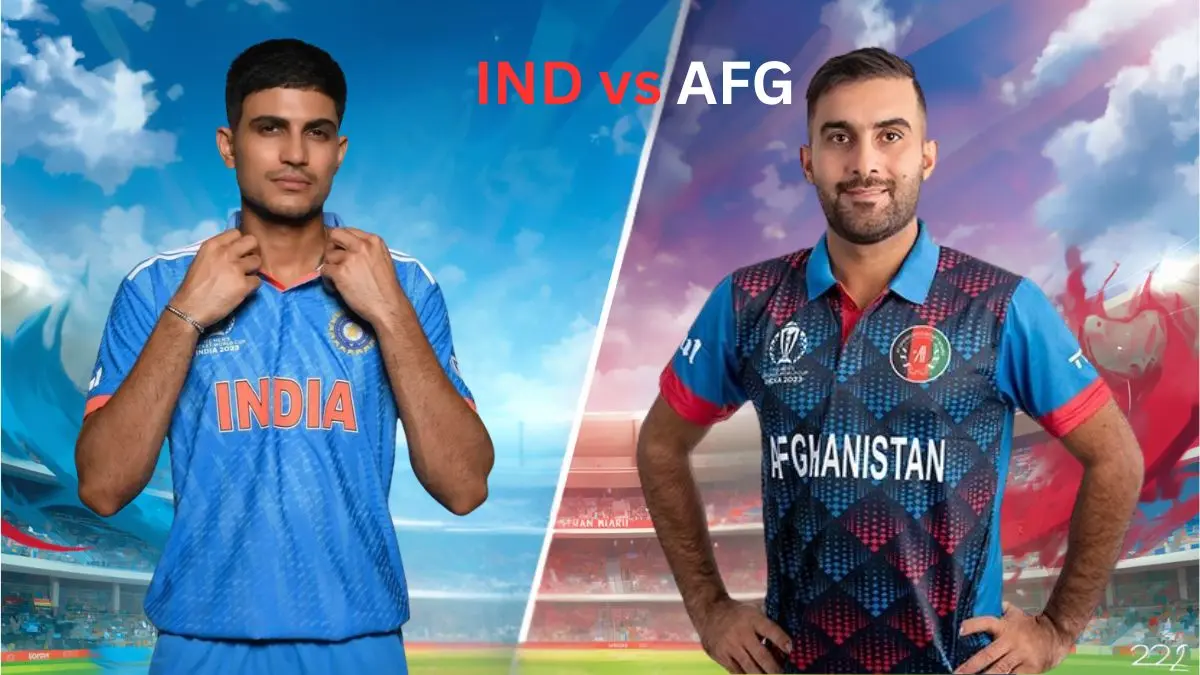
The Hosts’ Blueprint – India’s Dual-Squad Philosophy
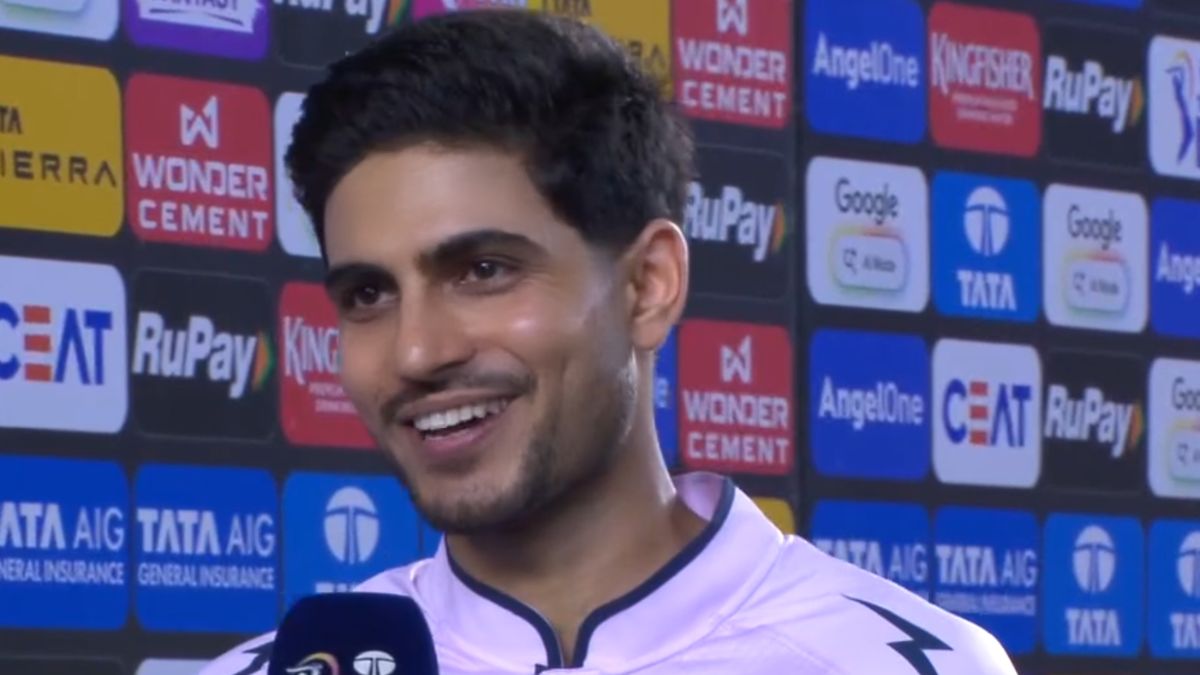
The BCCI’s announcement arrives with the customary weight of expectation. India, even on home soil, rarely experiments frivolously; every selection carries a message. For this tour, the most striking revelation is the appointment of Shubman Gill as the captain for both the Test and ODI squads. At a time when Indian cricket is navigating the twilight of generational giants, handing the reins to the 26-year-old Gill (as of 2026) suggests a definitive transition. The elegant right-hander, long hailed as the future of Indian batting, is now entrusted with the present.
The Test Arena: A Red-Ball Revolution?
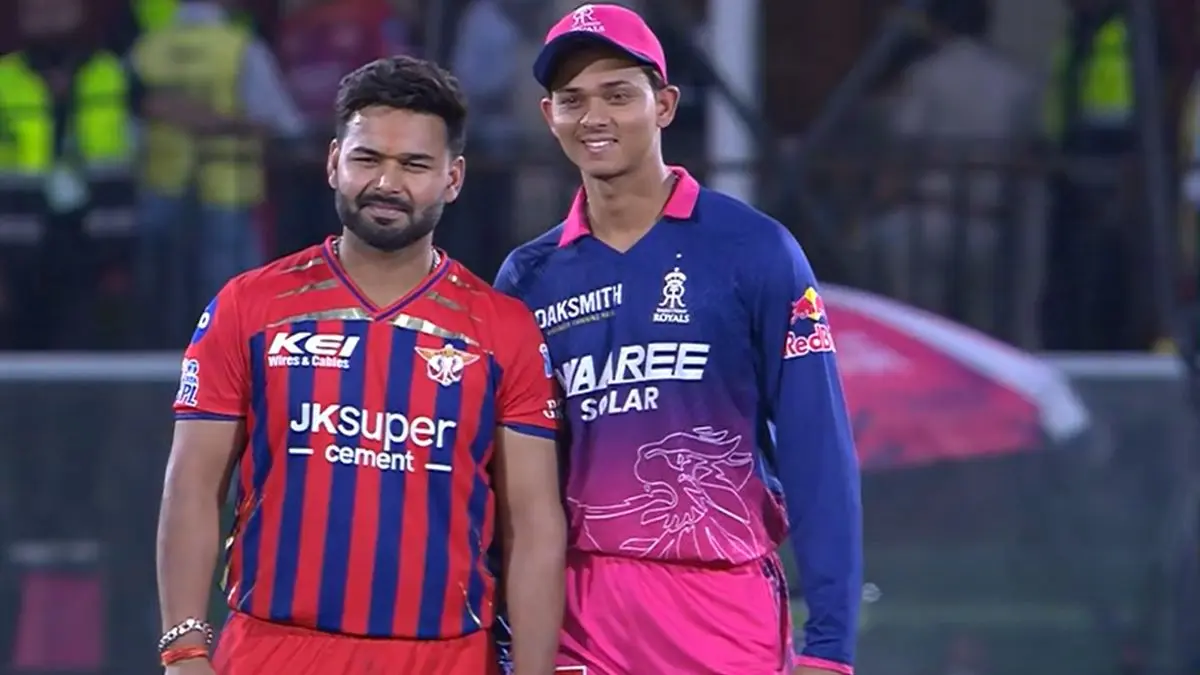
The Test squad, numbering fifteen players, is an intriguing blend of classical technique and left-field choices. Gill leads a batting order that includes the experienced KL Rahul as vice-captain, the explosive Yashasvi Jaiswal, and the technically sound Sai Sudharsan. The wicket-keeping duties are split between two contrasting personalities: Rishabh Pant and Dhruv Jurel. Pant’s inclusion, despite his well-documented physical challenges, signals that the management still views him as the premier game-changer in the longest format. Jurel’s presence, however, provides a reliable, technically robust alternative—a safety net that India has often sought in overseas conditions but will now test at home against Afghanistan’s improving spin attack.
Devdutt Padikkal and Nitish Kumar Reddy represent the future of Indian middle-order flexibility. Reddy, in particular, is an interesting selection: a seam-bowling all-rounder who can bat in the top six, he offers the kind of balance that has historically been India’s Achilles’ heel on foreign tours. His inclusion in a home Test against Afghanistan suggests that the team management is using this series as a grooming ground for the next overseas cycle.
Where the selection becomes genuinely fascinating is the spin attack. Beyond the established Washington Sundar and Kuldeep Yadav, India has doubled down on left-arm and left-field spin. Manav Suthar, Gurneet Birar, and Harsh Dubey—three names that will excite domestic cricket aficionados—form a reserve spin battery that is almost experimental in its abundance. This is a clear message: against an Afghanistan team renowned for producing world-class spinners, India intends to fight fire with fire. The pace attack, led by Mohammed Siraj and supported by Prasidh Krishna, is surprisingly lean. With only two frontline quicks named (alongside Reddy’s medium pace), the pitch at the venue is expected to be a rank turner. India is not just preparing for Afghanistan; they are preparing for a spin war.
The ODI Arena: Nostalgia Meets New Blood
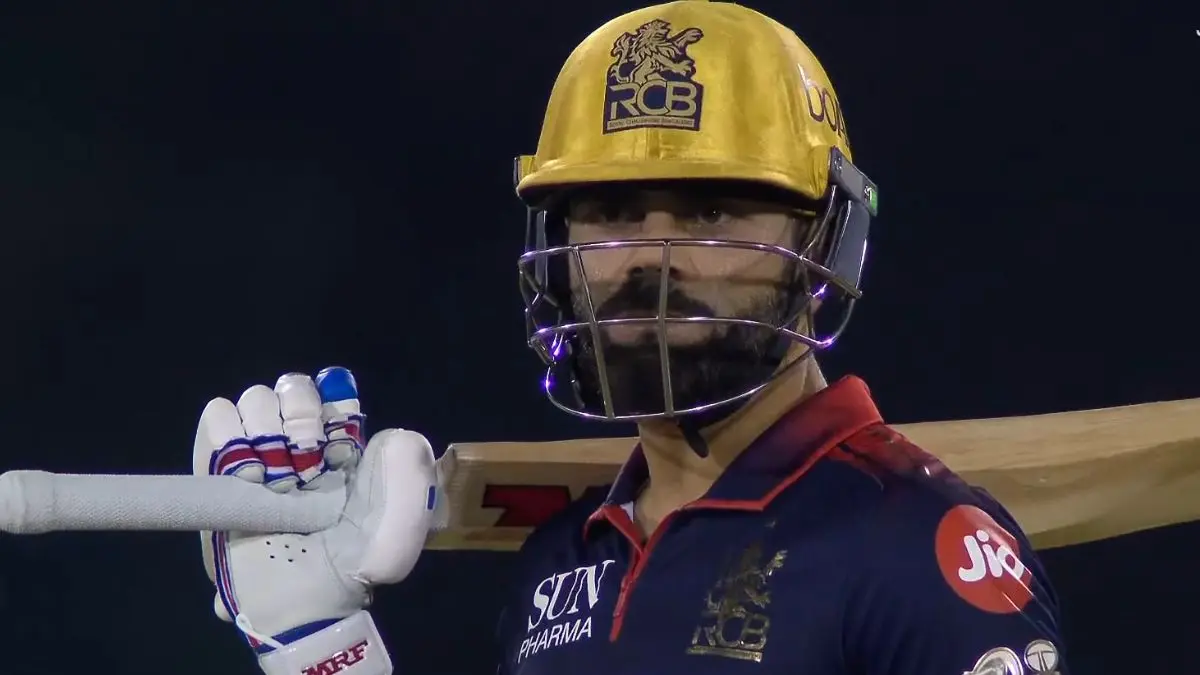
The ODI squad for the three-match series is where the emotional core of Indian cricket resides. While Gill continues as captain, the vice-captaincy is handed to Shreyas Iyer, a master of the 50-over format. But the headlines will inevitably focus on two conditional names: Rohit Sharma and Virat Kohli.
Rohit Sharma is listed as “Subject to fitness,” a phrase that has become a recurring motif in the latter stages of his career. His inclusion, even conditionally, is a massive draw for the series. If the veteran opener takes the field, it will likely be one of his final outings on home soil in the blue jersey. Similarly, Virat Kohli’s presence requires no caveat; his name alone sells tickets. However, the presence of Hardik Pandya, also “Subject to fitness,” reveals India’s ongoing struggle to secure a reliable pace-bowling all-rounder. Pandya’s ability to finish innings and bowl ten overs of medium pace remains unparalleled in the domestic circuit, yet his body remains a persistent concern.
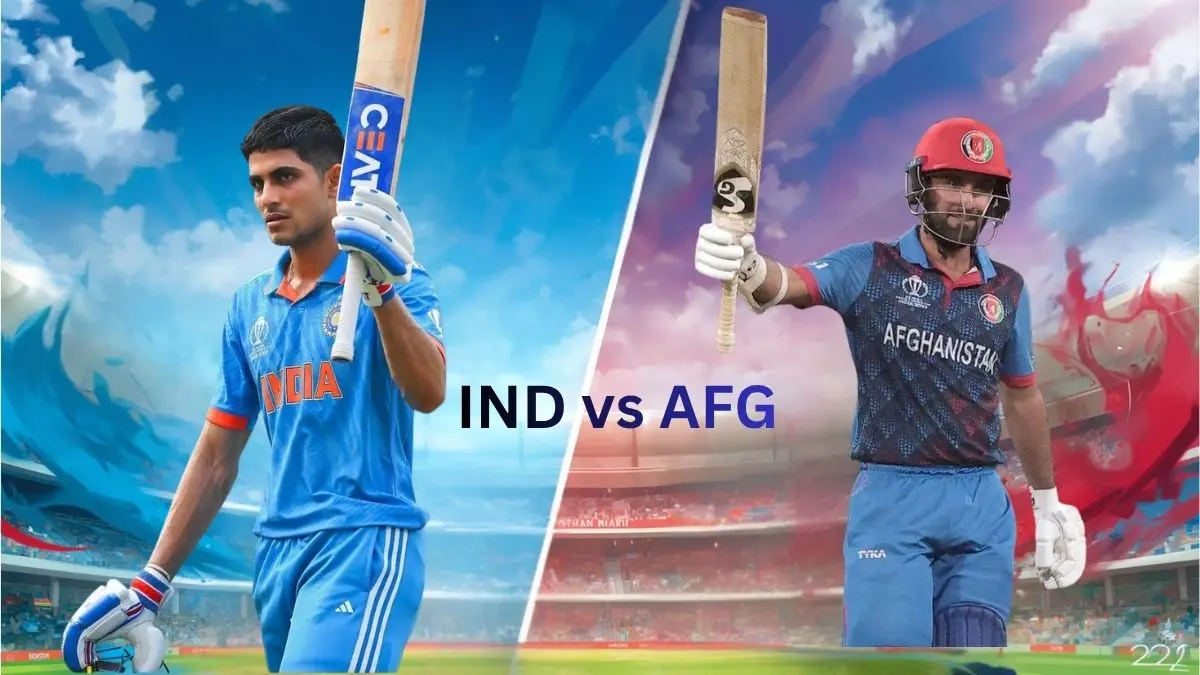
The ODI squad maintains a core of continuity from the Test side: KL Rahul and Ishan Kishan share wicket-keeping duties, while Washington Sundar and Kuldeep Yadav anchor the spin department. Yet, the fast bowling unit has been completely overhauled. Arshdeep Singh brings left-arm variety and death-over nous. Prince Yadav, a name relatively unknown on the international circuit, receives a maiden call-up, signaling that the BCCI is scanning the deepest tiers of domestic cricket for fresh pace talent. The retention of Gurneet Birar and Harsh Dubey in the ODI squad is perhaps the most radical statement. In an era of power-hitting and 350-plus totals, India is willing to play two or even three specialist spinners in ODIs. It is a tactical gamble that could either strangle Afghanistan’s middle order or backfire on flat decks.
The Visitors’ Arsenal – Afghanistan’s Strategic Split
If India’s squad announcement is about transition, Afghanistan’s is about specialization. The Afghanistan Cricket Board has drawn a sharp, unambiguous line between their red-ball and white-ball personnel. The headline news is the omission of two of their biggest names—Rashid Khan and Ibrahim Zadran—from the Test squad. The provided notes explicitly state they are “rested for the red-ball Test match but [available] for the ODIs.” This is a telling admission. For Afghanistan, Test cricket remains an aspirational, almost developmental format, whereas ODIs are the battleground for reputation and rankings.
The Test Squad: Grit Over Glamour
Led by the stoic Hashmatullah Shahidi, the Test squad for the one-off match is built on a spine of defensive resilience. Rahmat Shah, the veteran accumulator, is present to anchor innings. The wicket-keeping options—Ikram Alikhil and Afsar Zazai—are both classical ‘keepers, prioritized for their safe hands behind the stumps rather than their strike rates. Rahmanullah Gurbaz, so devastating in white-ball cricket, is included purely as a batter, a sign that the ACB believes his raw stroke-play could be a point of difference in the longer format.
The bowling attack is where the absence of Rashid Khan is most conspicuous. In his place, Afghanistan will rely on a trio of spinners: Nangyal Kharoti, Sharafuddin Ashraf, and Qais Ahmad. All three are skilled, but none possess Rashid’s fear factor. This is a deliberate strategy—preserve the golden arm for the more winnable ODIs, while allowing younger spinners to gain invaluable Test experience against a formidable Indian batting lineup. The pace attack, featuring Ziaur Rahman, Mohammad Saleem, and Bilal Sami, is raw and largely untested at this level. The one-off Test is likely to be a trial by fire for Afghanistan’s second-string attack.
The ODI Squad: Full Arsenal, Full Power
When the format shifts to 50 overs, Afghanistan transforms from underdog to genuine threat. The ODI squad is a “who’s who” of global white-ball talent. Rashid Khan returns, not just as a bowler but as a senior tactical brain. Ibrahim Zadran, one of the most consistent ODI openers in the world, pairs with the destructive Rahmanullah Gurbaz at the top. Mohammad Nabi and Gulbuddin Naib provide the all-round experience, while Azmatullah Omarzai has emerged as a genuine finisher and fifth-bowling option.
The spin quintet for the ODIs is terrifying: Rashid Khan, Noor Ahmad, Mujeeb Ur Rahman, Mohammad Nabi, and Rahmat Shah. On a typical Indian pitch that offers any assistance, this battery can strangle scoring rates and take wickets in clusters. India’s batters, including the conditional Rohit Sharma and the evergreen Kohli, will face a spin challenge that rivals or exceeds anything they encounter in the IPL.
The pace department, too, has been bolstered for the ODIs. Fazalhaq Farooqi, Fareed Ahmad Malik, and Naveen-ul-Haq offer left-arm variations, yorkers, and attitude. Naveen’s inclusion adds a point of theatrical tension, given his well-documented past confrontations with Indian players in franchise leagues. Mohammad Ishaq serves as the backup wicket-keeper, underscoring the depth Afghanistan has built in the short format.
Head-to-Head Match-Ups and Tactical Battles
Based solely on the announced squads, several individual duels will define the series. These are not predictions, but natural storylines embedded in the player lists.
The Gill vs. Rashid Khan (ODI Series Only)
Shubman Gill, now the captain, will be the primary target for Rashid Khan. Gill’s strength against spin—particularly his ability to use his feet and drive inside-out—will be tested by Rashid’s googly and rapid leg-breaks. This match-up is the marquee event of the ODI series. If Gill can neutralize or attack Rashid successfully, India’s top order can set a platform. If Rashid dismisses Gill early, Afghanistan gains immediate ascendancy.
The Spin Overload: India’s Trio vs. Afghanistan’s Middle Order (Test Match)
India has named five spinners in their Test squad: Sundar, Kuldeep, Suthar, Birar, and Dubey. Afghanistan’s Test middle order—Shahidi, Rahmat Shah, and Omarzai—is competent but not renowned for playing high-quality left-arm finger spin. The presence of Gurneet Birar and Harsh Dubey (both left-arm orthodox or left-arm wrist-spin, based on domestic records) could cause chaos. Afghanistan’s Test batting will live or die by its ability to read variations from relatively unknown Indian spinners.
The Pace of Prasidh Krishna vs. Gurbaz’s Aggression (Both Formats)
Rahmanullah Gurbaz is Afghanistan’s most dangerous white-ball batter, but his Test inclusion means India’s quicks will face him in both formats. Prasidh Krishna, with his awkward bounce and ability to hit the deck hard, poses a specific threat to Gurbaz’s tendency to play away from his body. How Prasidh bowls to Gurbaz in the first ten overs of each innings could determine the momentum of both the Test and the ODIs.
Veteran Watch: Rohit Sharma and Virat Kohli
The conditional status of Rohit Sharma means every ODI will carry an air of potential finality. If he plays, Afghanistan’s new-ball bowlers—Farooqi and Naveen—will have a specific plan: exploit his initial movement and challenge his off-stump line. Virat Kohli, meanwhile, needs no introduction. The most fascinating sub-plot is Naveen-ul-Haq bowling to Kohli. Given their history, every delivery will be an event. The BCCI and ACB have inadvertently scripted a high-drama narrative simply by including both men in the same white-ball squad list.
Unpacking the Absences and Rested Players
What a squad leaves out can be as revealing as what it includes. For India, the most notable absence from both squads is Jasprit Bumrah. The premier fast bowler is nowhere to be found in the Test or ODI lists. Given the BCCI’s modern workload management, his absence suggests he is being preserved for a more grueling away season later in 2026. Similarly, Ravindra Jadeja is missing from both squads—a seismic omission that points to either injury or a phased retirement from international limited-overs cricket. In his place, Washington Sundar and the uncapped spinners will compete for the all-rounder’s slot.
For Afghanistan, the absence of Rashid Khan from the Test squad, while explained as “rested,” raises questions about the player’s own priorities. At his peak, Rashid is a match-winner in any format. The decision to exclude him from the one-off Test suggests either a physical concern with bowling 25-30 overs in a day, or a strategic calculation that Afghanistan’s best chance for silverware lies in the ODI series. Ibrahim Zadran’s absence from the Test squad is similarly pragmatic; his technique, while excellent in ODIs, has yet to be proven against a red ball that moves laterally.
The Broader Context – A Tour of Two Speeds
Analyzing these two squad announcements side by side reveals a fundamental asymmetry. India approaches the tour as a laboratory for the next World Test Championship cycle and a tune-up for future ODI events. The inclusion of multiple uncapped spinners, the conditional status of senior players, and the promotion of a young captain all point to a team that is comfortable enough in its home dominance to take calculated risks.
Afghanistan approaches the same tour with split objectives. The Test match is a learning exercise, a chance for their second-tier spinners and emerging pacers to absorb pressure from Indian batting giants. A drawn Test would be considered a monumental success. The ODI series, however, is a genuine battle. With their full-strength white-ball squad—featuring Rashid, Mujeeb, Nabi, Gurbaz, and Ibrahim Zadran—Afghanistan will believe they can compete with and even defeat India on Indian soil. They have done so in the past in T20Is, and the ODI format offers them the same window of opportunity.
Conclusion: A Festival of Contrasts
By the time the final ball of the third ODI is bowled in June 2026, the cricketing world will have witnessed a fascinating study in contrasts. On one side, the host nation, India, with its conveyor belt of talent, its delicate handling of aging superstars, and its newly minted captain, Shubman Gill. On the other team from the highlands of Asia, a nation for whom every international match is both a celebration and a statement, led by the unflappable Hashmatullah Shahidi.
The squads alone tell a story. India’s lists whisper of depth, planning, and a future already being built. Afghanistan’s lists shout of resilience, specialization, and the wisdom to know which battles to prioritize. The Test match will be a war of attrition, likely dominated by India’s spin horde. The ODIs will be a carnival of sixes, googlies, and high-octane emotion, with Rashid Khan bowling to Virat Kohli and Rohit Sharma’s fitness hanging in the balance.
No analysis can predict the weather, the toss, or the moment of individual brilliance that decides a game. But the raw material—the 15 Test players from India, the 15 from Afghanistan, the 15 ODI players from each side—provides ample fuel for anticipation. When the Indian tricolor meets the black, red, and green of Afghanistan on the lush outfields of India in June 2026, the occasion will not merely be a cricket series. It will be a celebration of the sport’s power to connect, to contrast, and to captivate. The players are named. The stage is set. The only remaining variable is the magic that unfolds between the 22 yards.
Footnotes
References
External links