Royal Challengers Bengaluru IPL 2026 Final Win: Match Summary, Scorecard, and Key Highlights
The sun had barely dipped behind the colossal stands of the Narendra Modi Stadium, but the floodlights had already begun to cast their stark, unforgiving glow on the final cricketing spectacle of the Indian Premier League season. The date was May 31, 2026. The atmosphere was a cauldron of hope, despair, and unbridled passion. On one side stood the Gujarat Titans, desperate to reclaim a trophy they felt was rightfully theirs. On the other hand, the Royal Challengers Bengaluru, the defending champions, are no longer the perennial bridesmaids of the league but the ruthless kings of the T20 jungle.
When the final ball was bowled, with 12 deliveries left unused, it was RCB who had their arms around each other, jumping in a delirium of joy. The scoreboard told a simple story: Gujarat Titans 155/8 (20 overs), Royal Challengers Bengaluru 161/5 (18 overs). RCB won by 5 wickets. But the dry statistics of the scorecard belie the tension, the tactical nuance, and the individual brilliance that unfolded on the turf. This article analyzes the granular details of that final, dissecting every over, every dismissal, and every moment of pressure that led to RCB’s second consecutive title.
The Toss and Tactical Shift
The image of Rajat Patidar, the RCB captain, walking back to his dugout with a slight grin after the toss was the first signal of intent. He had called correctly and elected to field first. In a high-stakes final at Ahmedabad, a venue known for being a graveyard for chasing teams earlier in its history, the decision was a bold one. It spoke to the depth of RCB’s bowling attack and a deep-seated belief in their ability to hunt down any total under pressure. The pitch, a black-soil strip with a decent covering of grass, promised some initial movement for the pacers. Patidar wanted to exploit that.
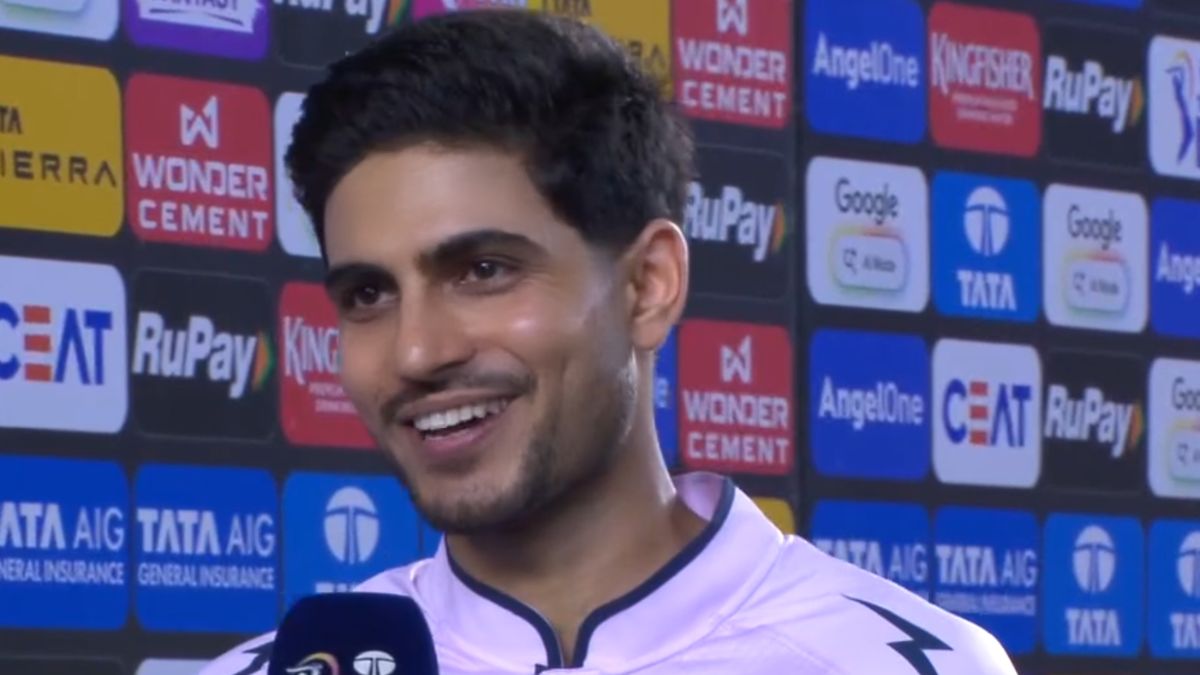
The Gujarat Titans walked out to open their innings. Their captain, Shubman Gill, strode alongside Sai Sudharsan. The crowd, a sea of blue and red, roared as the first ball was bowled. What followed was a power play that would set the tone for the entire Gujarat innings—a period of cautious accumulation punctuated by sudden losses.
Gujarat Titans (GT) Batting (155/8)
Player Name | Runs | Balls | |
| Sai Sudharsan | 12 | 12 | |
| Shubman Gill | 10 | 8 | |
| Nishant Sindhu | 20 | 18 | |
| Jos Buttler | 19 | 23 | |
| Washington Sundar | 50 | 37 | |
| Arshad Khan | 15 | 6 | |
| Rahul Tewatia | 7 | 5 | |
| Jason Holder | 7 | 5 | |
| Rashid Khan | 7 | 3 | |
| Kagiso Rabada | 3 | 3 |
Royal Challengers Bengaluru (RCB) Batting (161/5)
Player Name | Runs | Balls | |
| Venkatesh Iyer | 32 | 16 | |
| Virat Kohli | 75 | 42 | |
| Devdutt Padikkal | 1 | 4 | |
| Rajat Patidar | 15 | 13 | |
| Krunal Pandya | 1 | 2 | |
| Tim David | 24 | 17 | |
| Jitesh Sharma | 11 | 14 |

The Gujarat Titans Innings: A Fractured Foundation
The Titans’ batting card, on first glance, looks like a collection of starts that never quite became defining innings. With a final total of 155 for 8, they were at least 20 to 25 runs short of a par score on a track that, while assisting bowlers early, was a good one for strokeplay.
The Top-Order Tremors
The opening partnership was dismantled just as it was beginning to breathe. Shubman Gill (C) , the anchor of the Titans’ ship, looked pristine in his brief stay. He scored 10 runs off 8 balls, striking two elegant boundaries. He found the gaps with the precision of a surgeon, but just as he was settling into a rhythm, Josh Hazlewood struck. The tall Australian, using his immaculate length, drew the edge from Gill. The ball flew low to Rajat Patidar at slip or in the ring, and the catch was held. Gujarat was 22 for 1 in the 2.3rd over. The captain was gone.
The shock had barely subsided when disaster struck again. Sai Sudharsan, who had looked fluent for his 12 off 12 (two fours), fell to the guile of Bhuvneshwar Kumar. The veteran swing bowler, a master of the powerplay, induced another catch. Jitesh Sharma, the RCB wicketkeeper, made no mistake behind the stumps. At 26 for 2 in the 3.4th over, the Titans were on the ropes.
The Middle-Order Muddle
Nishant Sindhu and Jos Buttler were now at the crease, tasked with the reconstruction of an innings that had lost its pillars. Nishant Sindhu played a fighting hand, scoring 20 runs off 18 balls. He found the boundary three times, showing a maturity beyond his years. For 4.1 overs, he and Buttler tried to stitch a partnership, pushing the score to 55. But just as they were looking to accelerate, the introduction of the Impact Player—or the specialist spinner—Rashik Sairam (identified in the bowling card) ended the stand. Sindhu chipped one straight to Devdutt Padikkal in the field. 55 for 3, and the Titans were bleeding.
Then came the dismissal that truly halted their momentum. Jos Buttler, the explosive wicketkeeper-batter, was shackled. He consumed 23 balls for his 19 runs. The usually devastating Buttler managed only a single boundary. He was suffocated by the left-arm spin of Krunal Pandya. In the 12.1st over, Krunal induced a stumping. Jitesh Sharma, lightning-fast with the gloves, whipped the bails off before Buttler could drag his foot back. 73 for 4. Gujarat’s engine room had been detonated.
The Lower-Order Rescue Act
At 73 for 4 in the 12th over, Gujarat looked destined for a sub-120 total. But the resilience of their lower middle order, led by the experienced Washington Sundar, painted a different picture. Sundar, often labeled a bowler who can bat, flipped that script on the biggest night. He remained not out on 50 off 37 balls. It was a masterclass in pacing an innings in a crisis.
He found an unlikely ally in Arshad Khan, who played a frantic, high-impact cameo of 15 runs off just 6 balls. This blitzkrieg included two massive sixes. The pair added 26 runs in rapid time for the 5th wicket before Arshad holed out off Hazlewood for 15. But the damage was done; the scoring rate had been jolted back above 7 per over.
Washington Sundar then rotated the strike with Rahul Tewatia (7 off 5) and Jason Holder (7 off 5) . While these partners fell in quick succession—Tewatia caught by Patidar off Rashik Sairam, and Holder caught by Hazlewood off Bhuvneshwar—Sundar kept the scoreboard ticking. Even Rashid Khan came and went for a quick 7 off 3 (including a six) before falling to the same bowler, Rashik Sairam.
The Bowling Analysis for GT (155/8)
The RCB bowling unit performed like a well-oiled machine. There was no single destructive force; instead, it was a collective chokehold.
- Rashik Sairam was the pick of the bowlers, returning figures of 4 overs, 27 runs, and 3 wickets. His ability to break partnerships in the middle overs—dismissing Sindhu, Tewatia, and the dangerous Rashid Khan—was the tactical masterstroke of the innings.
- Bhuvneshwar Kumar proved his class once again, taking 2 for 29 in his 4 overs, including the vital wicket of Sudharsan. His economy of 7.25 in a final was exemplary.
- Josh Hazlewood also bagged 2 wickets (Gill and Arshad Khan), although he was slightly more expensive, conceding 37 runs. His control, however, was never in question.
- Krunal Pandya bowled a miserly spell of 1 for 23 in his 4 overs, his economy of 5.75 strangling the run flow during the middle phase.
The only bowler who went without a wicket was Jacob Duffy (0/38), but even he kept things relatively tight. Gujarat finished on 155/8. It was a fighting total, courtesy of Washington Sundar’s fifty, but it felt at least two big hits short of a winning score on a ground with short boundaries.
The Royal Challengers Bengaluru Chase: Kohli’s Coronation
Chasing 156 in 20 overs for a title is a psychological battle as much as a physical one. When RCB’s openers walked out, the equation was simple. But the fall of wickets that followed ensured the chase was anything but a cakewalk. Yet, the final scoreline—161/5 in 18 overs—tells a story of dominance orchestrated by one man: Virat Kohli.
The Explosive Start (Venkatesh Iyer’s Blitz)
RCB introduced an Impact Player at the top: Venkatesh Iyer. The move was inspired. Iyer played like a man possessed, treating the new ball with disdain. He raced to 32 runs off just 16 balls. His innings was a brutal showcase of power, featuring four boundaries and two towering sixes, giving him a strike rate of exactly 200.00. He and Kohli put on a rapid 62-run opening partnership that seemed to have ended the game before it had begun.
But cricket is a fickle mistress. Iyer’s aggressive cameo was cut short in the 4.3rd over. Mohammed Siraj, bowling for GT, finally found the edge. Kagiso Rabada, patrolling the boundary or the ring, took the catch. 62 for 1. It was a small crack in the RCB dam, but a crack nonetheless.
The Mid-Innings Wobble
The cracks widened immediately. Devdutt Padikkal, coming in at number three, lasted just 4 balls. He managed a single run before falling to the pace of Kagiso Rabada. Arshad Khan took the catch. 63 for 2. The two new batters were back in the dugout within eight deliveries.
Then came the captain. Rajat Patidar, the man who had led the side so brilliantly all season, walked in. He looked to take the attack to the spinners. He scored 15 off 13, including a four and a six. But the master leg-spinner, Rashid Khan, was introduced into the attack, and the complexion of the game changed instantly. Rashid, the Titans’ trump card, struck twice in quick succession.
First, he had Patidar caught by Kagiso Rabada. 89 for 3. Then, in what felt like the very next breath, he trapped Krunal Pandya lbw for a duck (1 off 2). 91 for 4. In the span of two overs, RCB had gone from 62 without loss to 91 for 4. The RCB dugout, which had been celebrating, was now silent. The Gujarat Titans were roaring back into the contest. The required rate, which had been below a run a ball, started to creep up.
Kohli’s Calm Amidst the Storm
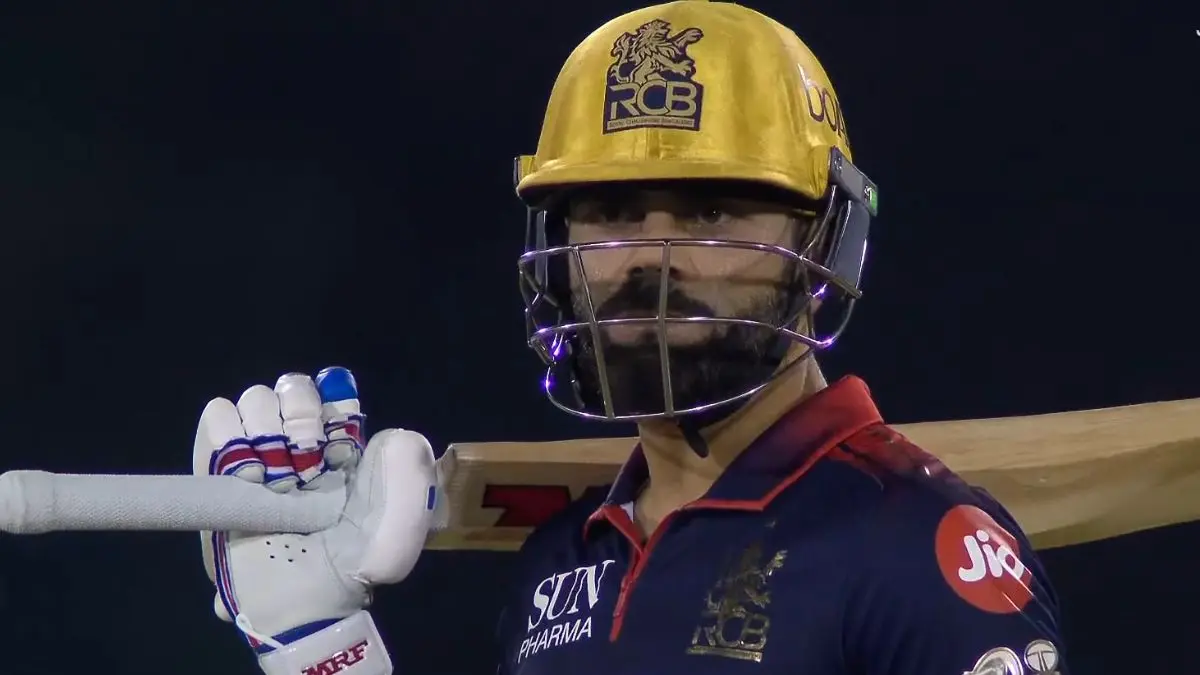
In the middle of this collapse stood Virat Kohli. He had watched four partners come and go. He had seen the scoreboard freeze. But in his eyes, there was no panic—only the cold, calculated look of a predator. Kohli ended the innings with a monumental 75 runs off 42 balls, not out. He was the immovable object against the irresistible force of the GT bowlers.
After the fall of Krunal Pandya, Kohli was joined by Tim David. The powerful hitter provided the perfect foil. David scored a brisk 24 off 17 balls, including three fours and a six. The pair added a vital 41 runs for the 5th wicket, calming the nerves and shifting the momentum back towards RCB. The equation became simple: bat sensibly, find the gaps, don’t take risks against Rashid Khan.
Just when the partnership was looking decisive, Arshad Khan struck for Gujarat. Tim David, trying to finish the game early, chipped one straight to Jos Buttler. 132 for 5. The game was not over yet. There were still 24 runs needed, and the dangerous Jitesh Sharma walked to the crease.
The Final Over and the Winning Moment
Jitesh Sharma, the wicketkeeper who had a quiet game with the bat in the group stages, played the finisher’s role to perfection. He remained unbeaten on 11 off 14 balls. But the strike rate does not tell the full story. He rotated the strike flawlessly, refusing to give the strike back to the GT bowlers unless Kohli wanted it.
The winning moment arrived in the 18th over. With 12 balls left, RCB needed just a handful of runs. The scoreboard read 120/4 off 4/4—a representation of the final phase of the chase. But the images tell the real story: Kohli, battling through what appeared to be severe physical cramps, was still running twos like it was the first over of a Test match. He had reached his fifty in just 25 balls—the fastest half-century of his entire IPL career, a staggering statistic given the length of his tenure in the league.
He did not just win the match; he authored the ending. As the 18th over progressed, the field came in, the pressure mounted on the GT bowlers, and Kohli slammed a straight six. The ball soared into the Ahmedabad night, a white speck against the black sky, landing deep into the stands. That six sealed the championship. RCB had won by 5 wickets with 12 balls remaining.
The Final Scorecard: A Summary of Champions
The dry data in the scorecard confirms the narrative of two distinct halves.
Gujarat Titans (GT) | 155/8 | Washington Sundar: 50* (37) |
Royal Challengers Bengaluru (RCB) | 161/5 | Virat Kohli: 75* (42) Venkatesh Iyer: 32 (16) |
Result: RCB won by 5 wickets with 12 balls remaining.
Looking at the full list of “yet to bat” for RCB—Romario Sheppard, Bhuvneshwar Kumar, Josh Hazlewood, Rashik Sairam, Jacob Duffy—it is evident that RCB’s batting depth was untouched. They won the final with their fifth bowler waiting in the wings.
For Gujarat, the bowling figures tell a story of missed opportunities. Kagiso Rabada took 1 wicket but conceded 44 runs in 3 overs (Econ 14.67). Rashid Khan was brilliant (2/25 in 4 overs), but he had too little support. Mohammed Siraj (1/36) and Arshad Khan (1/32) were tidy, but Jason Holder (0/16 in 2 overs) and Prashid Krishna (0/7 in 1 over) didn’t get enough overs to create an impact.
The Legacy of the Night
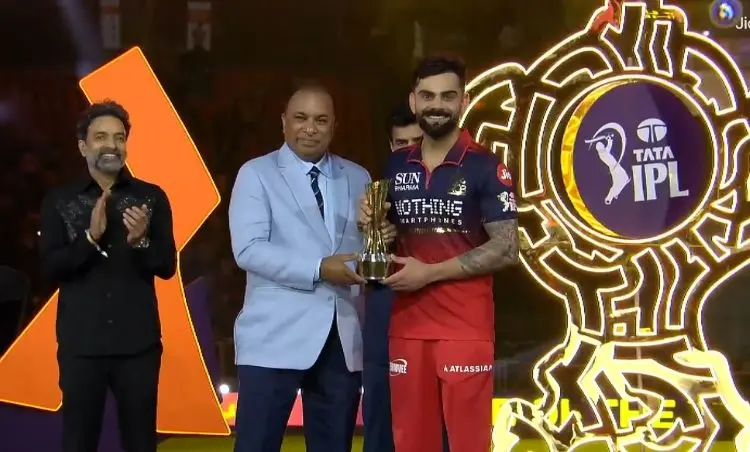
This was not just a victory; it was a statement. The Royal Challengers Bengaluru, a franchise once synonymous with heartbreak, have now won back-to-back titles. They have built a system that thrives under pressure. The images of the team celebrating—the players jumping, the “Winning Moment” graphic flashing on the screen—will be etched into IPL folklore.
For Virat Kohli, a man who has carried the burden of this franchise for nearly two decades, this was a perfect ending to a perfect season. To score the fastest fifty of your career in the IPL final, while battling cramps, to remain unbeaten, and to hit the winning six—it is the stuff of scriptwriters’ dreams. He proved that while T20 is a young man’s game, class is eternal.
The Gujarat Titans will rue their luck. They bowled well enough to force a collapse (91/4), but they did not have the runs on the board to capitalize. Washington Sundar’s fifty was a valiant effort in a losing cause. But on this night, the bigger team, the hungrier team, and the team with the best player on the planet walked away with the silverware. As the final ball was bowled and the RCB dugout emptied onto the field, the IPL 2026 season drew to a close—not with a whimper, but with the crack of Kohli’s bat sending a six into history.
Footnotes
https://www.iplt20.com/match/2026/2538
https://www.olympics.com/en/news/rcb-vs-gt-ipl-2026-final-match-report-scorecard