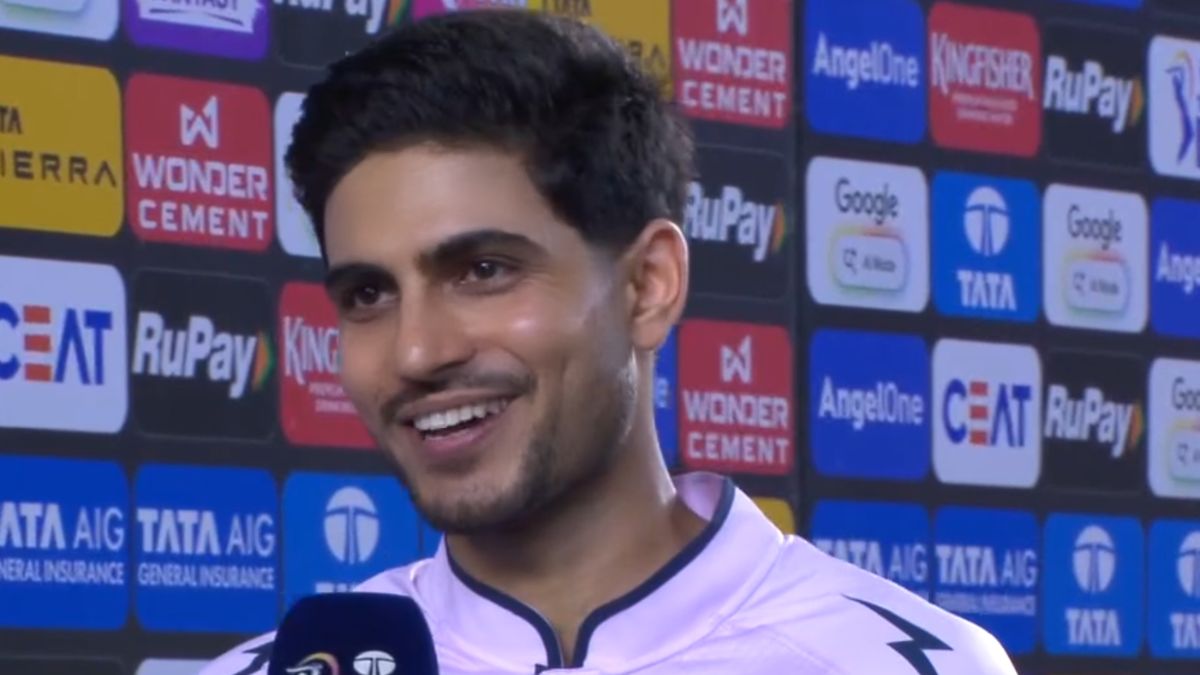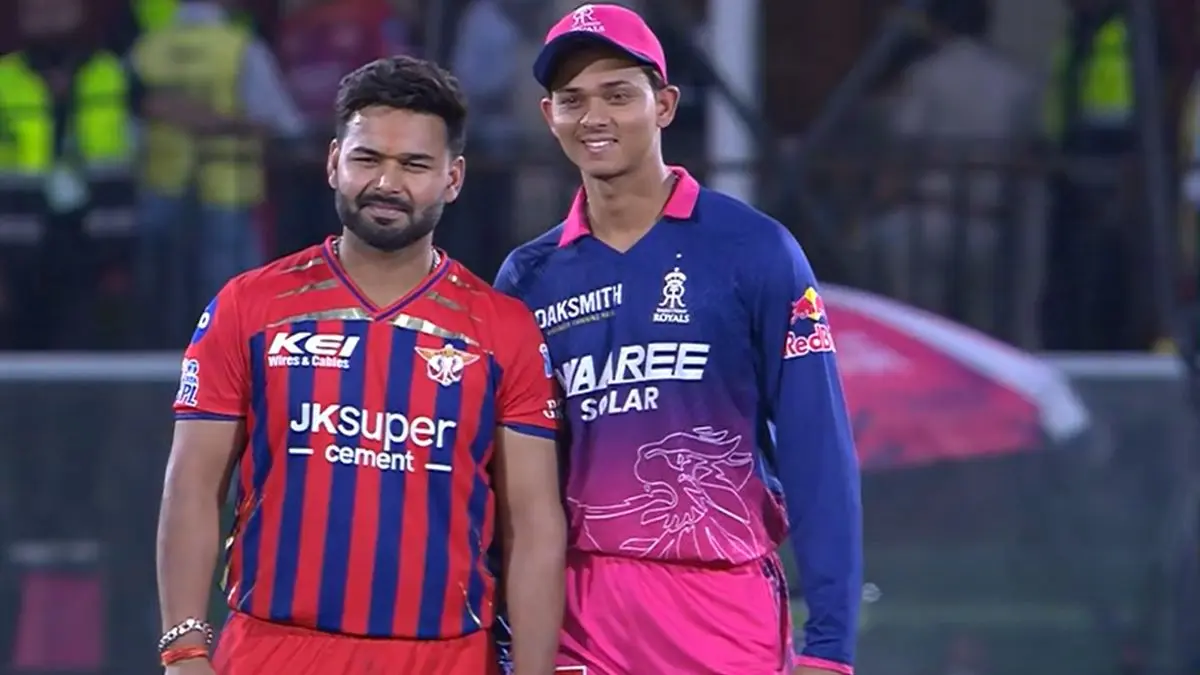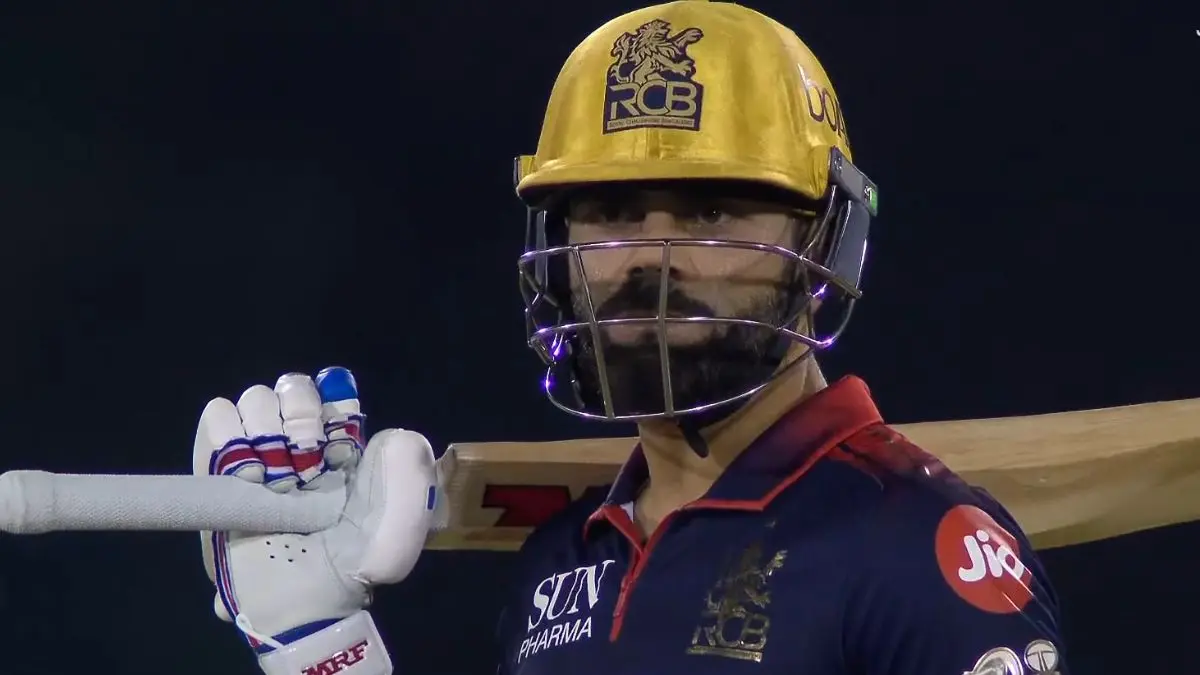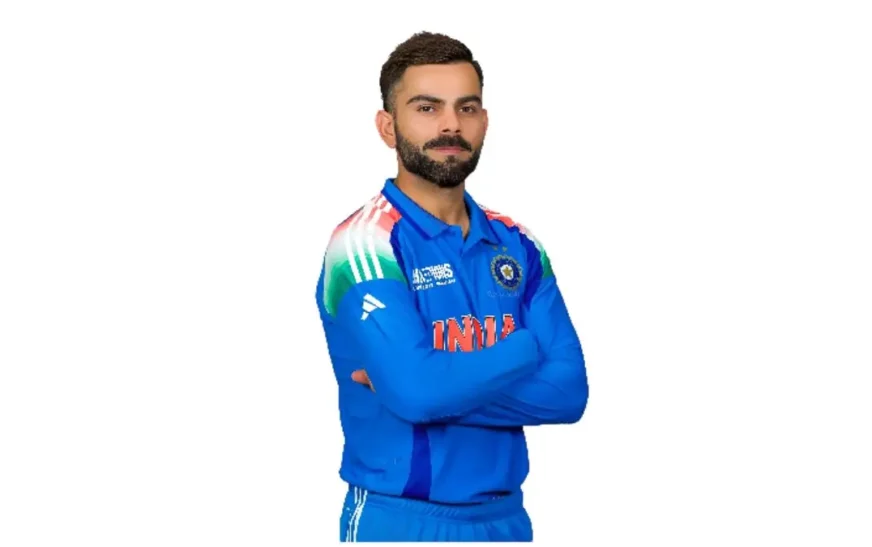
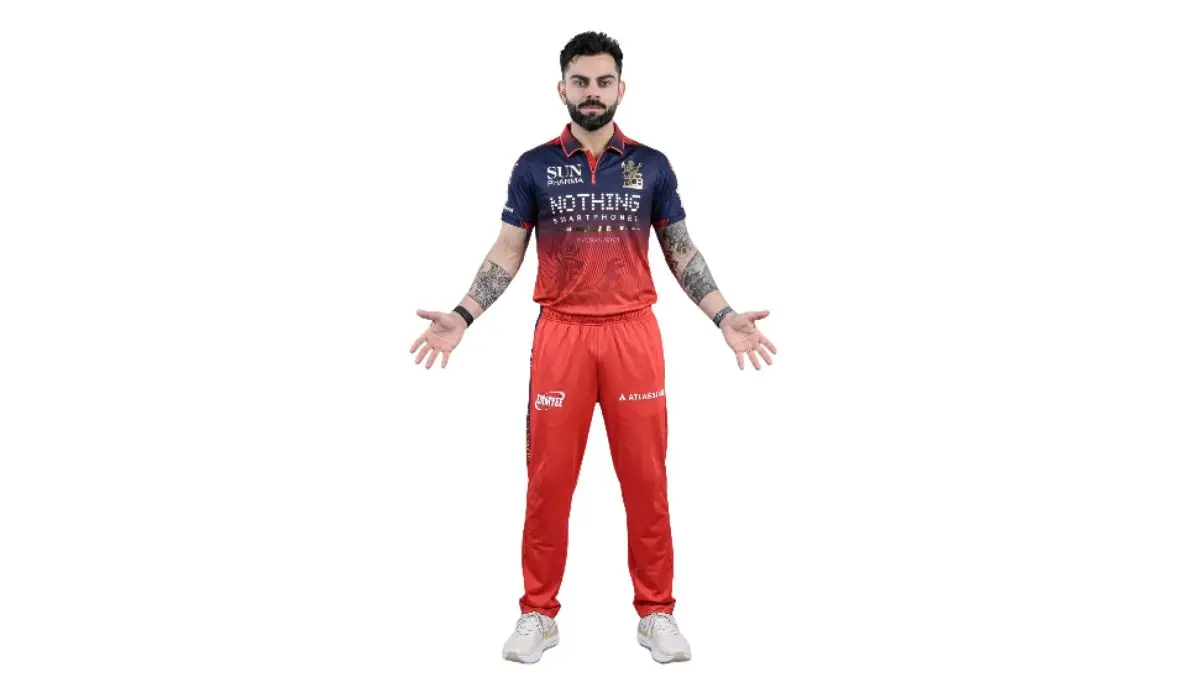
Download or view the latest Virat Kohli photos. India’s cricket superstar, IPL 2026 Player of the Match, and RCB legend with over 8,600 IPL runs — the face of modern cricket.
There are athletes, and then there are phenomena. Virat Kohli belongs unambiguously to the second category. Born on 5 November 1988 in New Delhi, India, Kohli grew up to become not just a cricketer but a cultural force — a man who redefined what it means to wear the Indian blue, who rewrote record books that had stood for decades, and who transformed the very culture of Indian cricket from the inside out.
As of 2026, Kohli has scored over 37,000 runs across all professional cricket formats, dominating global batting charts in a manner no Indian cricketer has done since Sachin Tendulkar in his prime. He has captained India across all three formats of the game, won ICC trophies on multiple occasions, and led Royal Challengers Bengaluru (RCB) to back-to-back IPL championship titles in 2025 and 2026. Yet numbers alone cannot capture the full story of this extraordinary human being. This is a story of grit, passion, reinvention, heartbreak, and ultimately triumph — a story worth telling in full.
The Boy from Delhi
Virat Kohli was born into a middle-class family in West Delhi. His father, Prem Kohli, was a criminal lawyer, and his mother, Saroj Kohli, was a homemaker. From an early age, cricket was not just a sport for young Virat — it was an obsession, a calling. He reportedly demanded that his father take him to cricket practice at the age of nine, and such was his persistence that his father enrolled him at the Delhi Cricket Academy under coach Rajkumar Sharma.
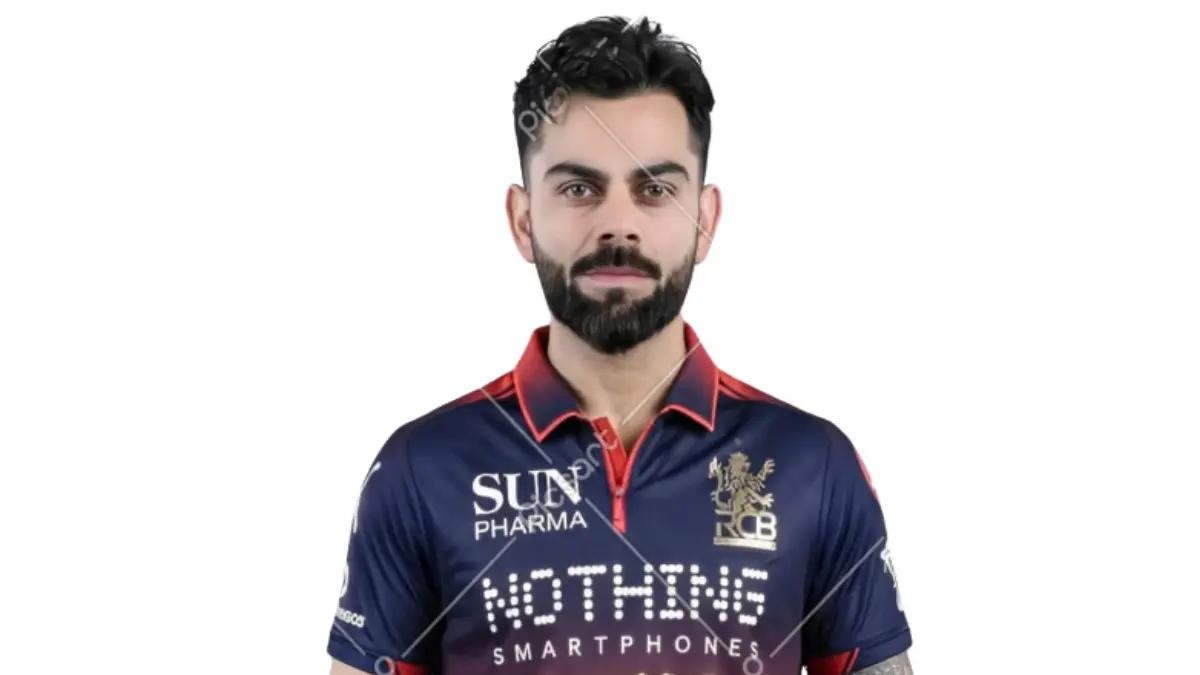
Growing up in Delhi meant growing up in one of India’s most competitive cricket environments. The city has always produced tough, hungry cricketers — men forged by the pressures of large populations, fierce local competition, and a deep cultural reverence for the game. Kohli absorbed all of that. He was known in his early years as “Cheeku” — a nickname that stuck from childhood and that his teammates still use today — a term of endearment that belies the competitive fire that burned within.
What set Kohli apart from an early age was not just talent but temperament. He possessed an extraordinary ability to read match situations, to accelerate when needed, and above all, to chase targets — a quality that would later earn him the title of “Chase Master.” His right-handed top-order batting was marked by an aggressive but technically sound technique, and his right-arm medium pace bowling, while occasional, showed a complete cricketer in the making.
The defining moment of his early career came in December 2006, when his father passed away during the night before a crucial Ranji Trophy match. Kohli played that day, scored 90 runs, and returned home to attend his father’s funeral only after the day’s play was complete. That innings — played under the most devastating personal grief — became a kind of symbol of who Kohli was and what cricket meant to him. It was not recklessness or insensitivity; it was devotion, discipline, and an unspoken promise to his father.
The Rise — Under-19 to International Debut
In 2008, Kohli captained the Indian Under-19 team to victory at the ICC Under-19 Cricket World Cup in Malaysia. It was a performance that announced him emphatically to the world. As captain, he led with authority, batting with maturity well beyond his years and marshaling his resources with tactical intelligence. India’s title that year was, for many observers, the clearest early signal that Indian cricket was about to receive an extraordinary new talent.
His senior international debut came in an ODI against Sri Lanka in August 2008, just months after the Under-19 triumph. He was nineteen years old. The transition from youth cricket to senior international level is one of the most difficult in sport, but Kohli navigated it with uncommon composure. He made his Test debut in 2011 against the West Indies in Jamaica, and though his early Test outings were inconsistent, he gradually cemented his place in the team through sheer volume of runs and a growing reputation as a match-winner.
By 2012, Kohli had established himself as India’s most important white-ball batsman. His ability to anchor chases — to walk in when the asking rate was climbing and the pressure was immense, and to still deliver — was becoming his signature. He scored four centuries in a single bilateral ODI series against Australia in 2012, making him only the second Indian, after Sachin Tendulkar, to do so. The comparisons to Tendulkar, once considered sacrilegious to make about any player, began to be spoken more openly.
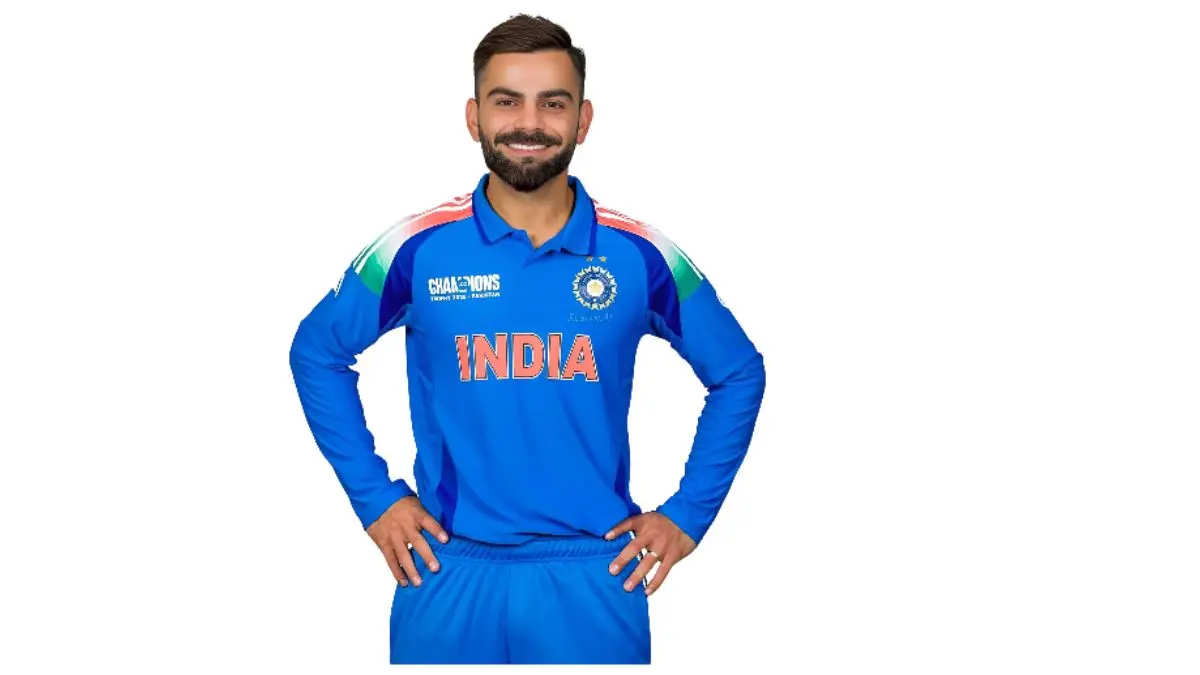
Captain Kohli and the Test Cricket Revolution
In 2014, Kohli was appointed India’s Test captain, initially on a stand-in basis, and then permanently in 2015 following MS Dhoni’s retirement from the format. The appointment was both inspired and slightly audacious — Kohli was still relatively young and had yet to fully consolidate his Test career. But what followed was one of the most successful captaincy tenures in Indian cricket history.
Under his leadership, India rose to the number one position in ICC Test rankings and remained there for five consecutive years. He transformed India into a team that could win abroad — in Australia, in the West Indies, in England. His own batting in Tests reached transcendent heights: seven double centuries (a record for any Indian in Test history), 30 centuries in total across 123 Test matches, and 9,230 runs at an average of 46.85.
His most celebrated captaincy achievement was leading India to its first-ever Test series victory on Australian soil during the 2018-19 Border-Gavaskar Trophy. India won 2-1, and the achievement resonated beyond cricket — it was a psychological and historical breakthrough that Indian fans had waited decades for. As Test captain, Kohli won 40 out of 68 matches, making him India’s most successful Test captain in terms of wins.
But Kohli’s Test captaincy legacy extended beyond results. He brought an intensity and physical fitness ethic to Indian cricket that had previously been absent. He demanded that his players be athletes first — that they be as fit as their international counterparts in Australia or England. He led by example, transforming his own body through rigorous gym work and a disciplined vegetarian diet, and the entire Indian team followed suit.
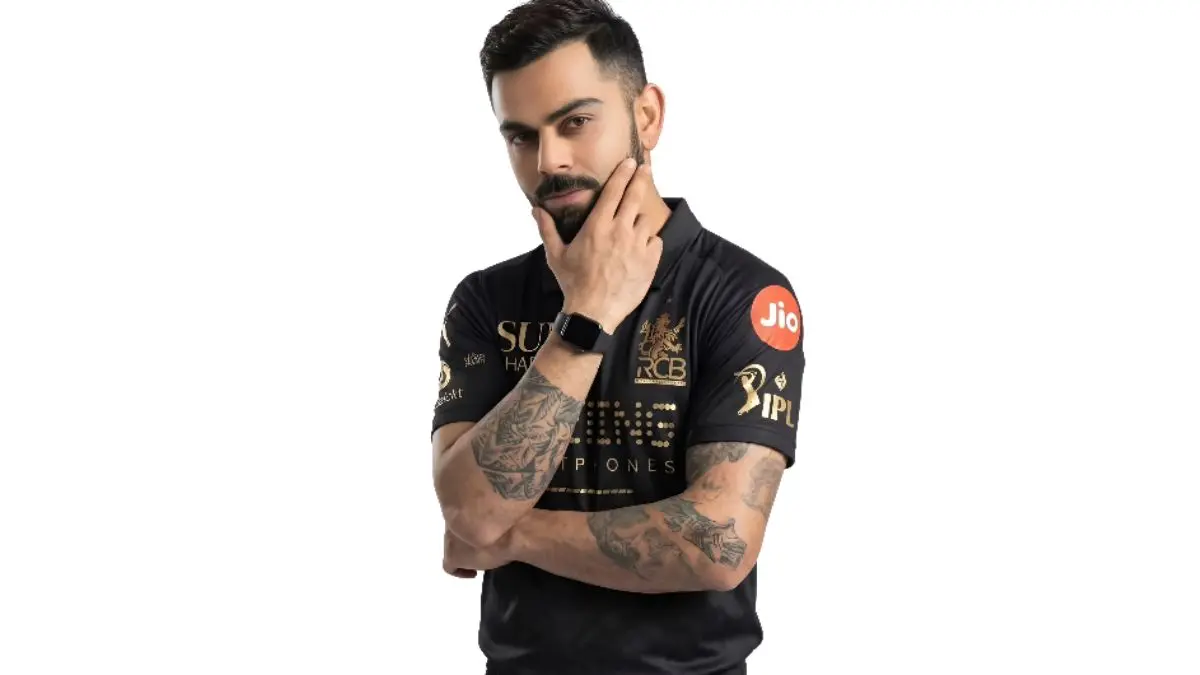
The ODI Run Machine and the Century Record
If Kohli’s Test career was defined by captaincy and grit, his ODI career was defined by an almost supernatural accumulation of runs and centuries. He played 311 ODI matches, scored 14,797 runs at an extraordinary average of 58.72, with a highest score of 183. His tally of 54 ODI centuries is the most by any batter in the history of the game — surpassing the seemingly untouchable record of 49 set by Sachin Tendulkar.
The record-breaking moment arrived in November 2023, during the ICC Men’s ODI World Cup semi-final held in India. Kohli reached his 50th ODI century, becoming the first — and, as of this writing, only — batter in history to score 50 international ODI hundreds. The crowd at the Wankhede Stadium in Mumbai erupted; Kohli looked to the sky, clearly moved. It was a moment of profound emotional weight, not just for a cricketer but for a man who had carried the expectations of 1.4 billion people for over a decade.
He went on to score 51 ODI centuries in total, his 51st coming in the 2025 ICC Champions Trophy — an unbeaten 100 off 111 balls against arch-rivals Pakistan in a high-stakes group stage chase. That innings, in front of a global audience, underlined that even at 36, Kohli remained the player India turned to when it truly mattered. He also finished the 2023 ODI World Cup as the tournament’s leading run-scorer with 765 runs — the most by any batter in a single edition of the World Cup — and was named Player of the Tournament.
Beyond statistics, what makes Kohli’s ODI legacy remarkable is the quality and consistency of his chasing. He is widely regarded as the greatest fourth-innings and chase batter the game has ever seen. Time and again, when India needed 250, 280, or 300 from 50 overs, Kohli would anchor the innings and then accelerate — a master class in pacing and game intelligence.
T20Is, the 2024 World Cup Final, and Retirement
Kohli’s relationship with T20 cricket was more complicated. In his earlier career, he was sometimes seen as less suited to the format’s demands for big hitting from ball one. He adapted over the years, developing a wider range of attacking shots, and became one of the most reliable T20 batters in the world.
His T20I career statistics are formidable: 125 matches, 117 innings, 4,188 runs at an average of 48.69 and a highest score of 122*. His tally of 38 half-centuries in T20Is reflects a player who regularly got in but often chose accumulation over reckless slogging — a strategy that critics sometimes questioned but which his overall record vindicates.
The high point of his T20 career came in the 2024 ICC Men’s T20 World Cup, held in the West Indies and the United States. India had gone 11 years without an ICC trophy when they entered that tournament. Kohli’s tournament was mixed in terms of overall form, but he saved his best for the final against South Africa, scoring a decisive 76 runs that steadied India’s chase and ultimately led to a seven-run victory. He was named Player of the Match in the final. That evening, under the lights of the Kensington Oval in Barbados, Kohli announced his retirement from T20 International cricket — a career spanning 125 matches, ended at its absolute peak, with a trophy in hand.
The 2025 Champions Trophy and Test Retirement
The narrative of Kohli’s later career arc is one of remarkable renaissance. After a difficult period in Test cricket during 2024 — where he averaged just 24.52 from 10 Test matches — questions were raised about whether the great man was in decline. His retirement from T20Is meant the spotlight on his batting was undivided.
He answered his critics emphatically in the 2025 ICC Champions Trophy. In a tournament that India ultimately won, Kohli was the team’s most influential batter. His 51st ODI century against Pakistan was a masterpiece of composure and controlled aggression. His 84-run knock in the semi-final against Australia — chasing 264 — was described by former India cricketer Mohammad Kaif as the epitome of “zidd” (stubborn willpower). He was named Player of the Match. With that innings, he also surpassed Sachin Tendulkar’s record for the most 50-plus scores by an Indian batter in ICC ODI events.
In May 2025, Kohli announced his retirement from Test cricket — ending a 14-year red-ball career. His final Test match had been the fifth Test of the 2024-25 Border-Gavaskar Trophy in Sydney, a city where he has historically enjoyed great success. The retirement brought an end to a Test career of 123 matches, 9,230 runs, 30 centuries, and a legacy as India’s greatest Test captain.
The cricket world paused to acknowledge the moment. Former players, commentators, and fans across the globe posted tributes. Even rivals acknowledged the scale of what had been lost from the longest format of the game.
IPL Glory and the RCB Chapter
No account of Kohli’s career is complete without examining his relationship with the Indian Premier League and with the Royal Challengers Bengaluru. He has played for RCB since the franchise’s very first season in 2008 — a loyalty remarkable in the franchise-switching world of T20 leagues. He captained the team from 2013 to 2021, guiding them to three IPL finals (2009, 2011, and 2016), though the elusive title always escaped them.
That drought ended in 2025, when RCB finally won their first IPL title, with Kohli playing a central role. Then, remarkably, they retained the title in 2026. The scenes at the Chinnaswamy Stadium in Bengaluru when RCB lifted the trophy in 2025 were among the most emotionally charged in the IPL’s history — decades of near-misses finally answered.
Across the IPL, Kohli has scored 8,661 runs from 267+ matches, with eight centuries and over 55 half-centuries. He holds the record for the most runs in a single IPL season — 973 runs in 2016, a record that still stands a decade later. He is the all-time leading run-scorer in the history of the tournament, a status that underlines the sheer volume of elite cricket he has played at the highest level for nearly two decades.
The Man Behind the Helmet
Cricket statistics tell one part of Kohli’s story. The other part is the human being — complex, passionate, sometimes volatile, always evolving. He married Bollywood actress Anushka Sharma on 11 December 2017, in a private ceremony in Tuscany, Italy. They have two children together, and by all accounts, Anushka has been his most steadying influence — a grounding presence during the peaks of fame and the troughs of form.
Kohli has been remarkably open in his later years about the mental health struggles that come with being the most scrutinized sportsman in the world’s most cricket-obsessed nation. He has spoken in interviews about anxiety, about the pressure of expectation, about the loneliness of form slumps when 1.4 billion people seem to be watching and waiting. His honesty has helped destigmatize conversations around mental health in South Asia — a contribution that extends well beyond sport.
His journey from meat-eating, party-going twenty-something to disciplined vegetarian athlete is one of the most discussed transformations in modern sport. He adopted a plant-based diet for health reasons and has spoken about its effects on his energy levels, recovery, and longevity. Whether or not one agrees with his choices, the physical results are undeniable: at 37, he remains one of the fittest professional cricketers in the world.
His residences in London and Mumbai reflect a life lived across cultures, though he remains quintessentially and proudly Indian — vocal about his identity, his pride in representing the country, and his love for its fans.

Current Status — Still Active in 2026
As of 2026, Virat Kohli continues to play ODI cricket for India — the one remaining international format in which he is still active. He has scaled back to the number one spot in the ICC ODI Batting Rankings in early 2026, following a masterclass 93 against New Zealand in Vadodara. The innings was typical Kohli — measured in the powerplay, dominant through the middle overs, and seemingly ageless.
He remains a marquee player for Royal Challengers Bengaluru in the IPL, and his influence on younger Indian batters — Shubman Gill, Yashasvi Jaiswal, Rinku Singh — is visible in the way they approach high-pressure situations. He is the standard against which a generation of Indian cricketers measures itself.
The question that hangs over Kohli’s ODI future is one of succession planning and his own desire. He shows no signs of diminished hunger or ability. If anything, the liberation of retirement from two formats seems to have freed him to play his ODI cricket with renewed relish. Fans and selectors alike will be hoping that this final chapter of his international career stretches as long as his body and his enthusiasm allow.
Conclusion: A Legacy Beyond Numbers
Virat Kohli’s career statistics are staggering by any measure: over 37,000 professional runs, 54 ODI centuries, 30 Test centuries, four ICC trophies, two IPL titles, and records that may stand for decades. He is India’s most successful Test captain by wins (40 from 68), the all-time leading run-scorer in IPL history, and the holder of the most ODI hundreds in the history of the game.
But the numbers, impressive as they are, miss the deeper point. Kohli’s true legacy is cultural. He changed what it meant to be a professional cricketer in India — the level of fitness required, the intensity expected, the commitment demanded. He showed that the nation’s most beloved sport could produce not just entertainers but athletes in the truest sense. He won in places India had historically struggled to win, and he led from the front when it was hardest to do so.
He is, alongside Sachin Tendulkar, the greatest cricketer India has produced — and the debate about who stands higher will fuel conversations in tea shops and living rooms across the subcontinent for generations. What is not debatable is that Virat Kohli transformed cricket, and cricket transformed him. The boy from Delhi who demanded his father take him to practice became the man who demanded excellence from himself and everyone around him — and in doing so, left an indelible mark on the sport.
The story is not yet fully written. Kohli still plays, still scores, still competes with the fire of a man half his age. But what has already been written is more than enough to earn him his place among the immortals of the game.
Footnotes
References
External links