Harmanpreet Kaur Stats
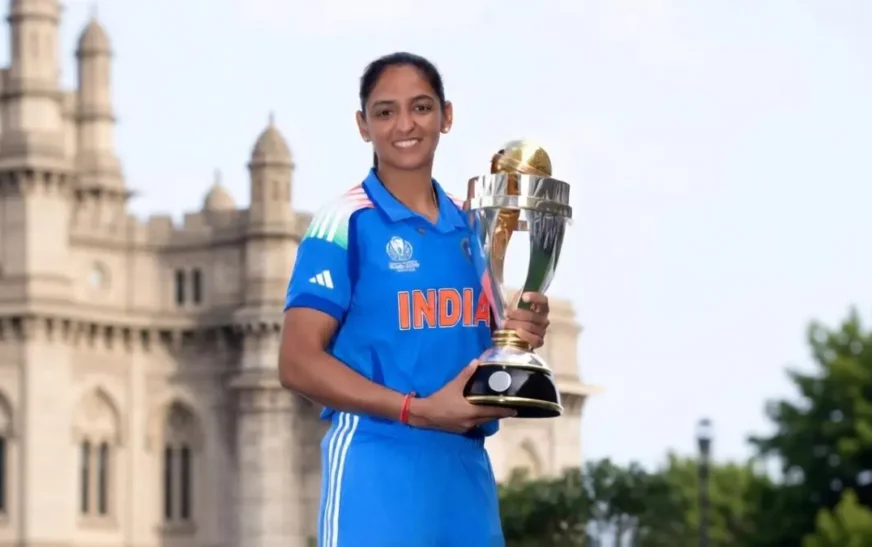
As of May 2026, the landscape of international women’s cricket is defined by a single, dominant force: the Indian national team captain, Harmanpreet Kaur. Recognized universally as one of the most prolific all-rounders the game has ever seen, her career has culminated in the highest possible honor. In a feat that rewrote the history books, she recently led India to its first-ever Women’s Cricket World Cup title. This watershed moment, achieved on the global stage, cements her legacy not merely as a great player but as a transformative leader. Beyond the glory of that historic triumph, however, lies a career built on relentless consistency, explosive power, and a quiet, off-breaking reliability. The numbers—spanning Tests, ODIs, T20Is, and the domestic Women’s Premier League—tell the story of a competitor who has redefined excellence for a generation.
1. International Batting Statistics
Format | Matches | Innings | Runs | Highest Score | Average | Strike Rate | 100s / 50s |
Tests | 7 | 11 | 230 | 69 | 23.00 | 57.07 | 0 / 1 |
ODIs | 164 | 143 | 4,541 | 171* | 37.22 | 76.86 | 7 / 24 |
T20Is | 195 | 174 | 3,991 | 103 | 29.78 | 109.82 | 1 / 16 |
Total | 366 | 328 | 8,762 | 171* | — | — | 8 / 41 |
2. International Bowling Statistics
Format | Innings | Balls | Runs | Wickets | Best Bowling (BBM) | Average | Economy |
Tests | 7 | 428 | 185 | 12 | 9/85 | 15.42 | 2.59 |
ODIs | 73 | 1,742 | 1,533 | 31 | 2/16 | 49.45 | 5.28 |
T20Is | 62 | 760 | 795 | 32 | 4/23 | 24.84 | 6.28 |
Total | 142 | 2,930 | 2,513 | 75 | 9/85 | 33.51 | 5.15 |
3. Women’s Premier League (WPL) Career
Stat Category | Value / Record |
Team / Franchise | Mi Women (Captain) |
Championship Titles | 2 (2023, 2025) |
Matches / Innings | 29 |
Total Runs | 1,016 |
Highest Score | 95* |
Batting Average | 46.18 |
Strike Rate | 146.18 |
The Pillar of Indian Batting: An International Overview
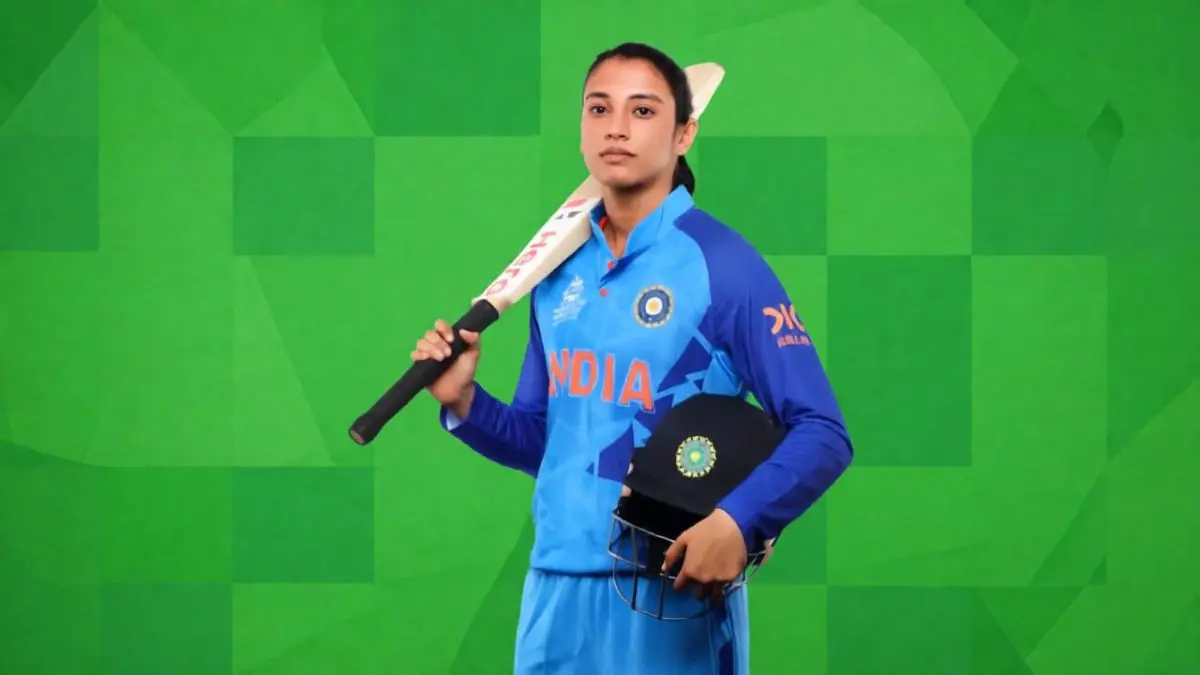
When assessing the sheer weight of Harmanpreet Kaur’s contribution with the bat, one must first look at the cumulative total. Across all three international formats, she has amassed over 8,700 runs. This figure is not merely a testament to longevity, but to adaptability—a player who has learned to pace an innings in the longest format, accelerate in the 50-over game, and dominate without restraint in the shortest. Each format reveals a different facet of her cricketing intelligence.
In Test cricket, the ultimate examination of technique and temperament, Kaur has appeared in seven matches, stepping to the crease in eleven innings. The runs, at first glance, appear modest: 230 in total. Her highest score of 69, achieved against a high-quality bowling attack, underscores a player who has yet to convert a promising start into a triple-figure landmark in whites. The batting average of 23.00, while lower than her white-ball numbers, must be contextualized within the infrequency of women’s Test matches and the often bowler-friendly conditions. Her strike rate of 57.07, however, is notably brisk for the format, hinting at her natural inclination to score. She has one half-century to her name in Tests, a solitary fifty that reminds selectors and fans alike of her capability on the rare occasions India dons the cream jersey. The count of centuries remains zero, but in a career defined by global trophies, this is less a blemish than a quirk of scheduling.
Moving to One Day Internationals, the format where she has truly flourished as a leader and a batter, the statistics become monumental. Kaur has played 164 ODIs, an indicator of her enduring presence in the Indian middle order. From those matches, she has taken 143 innings to accumulate 4,541 runs. Her highest score, an unbeaten 171, remains one of the most iconic innings in women’s cricket history—a masterclass in chasing or setting a total under pressure. The batting average stands at a formidable 37.22, a number that places her among the elite finishers and anchor players of her era. More striking, perhaps, is her strike rate of 76.86 in an era where women’s ODI scoring rates have steadily climbed. This suggests a player who rarely wastes deliveries, rotating strike effectively while possessing the power to clear the ropes when required. The tally of centuries: seven. The count of half-centuries: twenty-four. Combined, 31 scores of fifty or more, meaning that in nearly 22% of her ODI innings, Harmanpreet Kaur has passed the fifty-run mark. For any captain, that is the definition of reliability.
In Twenty20 Internationals, the format that most rewards audacity, Kaur’s numbers explode with vibrancy. She has played 195 T20Is, more than any other format, and batted in 174 of those innings. The total runs—3,991—places her on the cusp of a significant milestone. It is a matter of when, not if, she becomes only the second or third Indian woman to cross 4,000 T20I runs. Her highest T20I score of 103, a century that showcased her full array of sweeps, drives, and pulls, remains a rare gem in the shortest format. The batting average of 29.78, while lower than her ODI numbers, is standard for top-order T20 batters who often sacrifice their wicket for acceleration. And what acceleration it is: a strike rate of 109.82, a figure that, as of May 2026, ranks among the best for any Indian batter with over 3,000 runs. This strike rate reveals her primary role: to enter the innings, unsettle the bowlers, and maintain a tempo that pressures the opposition into errors. In T20Is, she has registered one century and sixteen half-centuries, a testament to her ability to play substantial innings even in the frenetic pace of the game.
The Off-Spin Artist: Bowling Statistics That Tell a Story
To define Harmanpreet Kaur solely as a batter would be to ignore half her value. Operating as a reliable right-arm off-break bowler, she has taken 75 international wickets across all formats. While not a strike bowler in the classical sense, her role as a partnership-breaker and an economy enforcer has been vital to India’s balance, particularly in limited-overs cricket.
Her Test bowling record, though derived from a small sample size of seven innings, is nothing short of excellent. In those seven innings, she has delivered 428 balls, conceding 185 runs while capturing 12 wickets. The best bowling figures—9 for 85 in a match—represent an extraordinary individual performance, one that would be the highlight of any career. The bowling average of 15.42 suggests that in the longest format, where patience is paramount, her off-breaks become genuinely threatening. The economy rate of 2.59 runs per over is miserly, squeezing the life out of opposing batting lineups. This is a bowler who, when given a long spell, can turn a Test match.
The ODI bowling statistics, however, tell a more utilitarian tale. Across 73 innings, Kaur has bowled 1,742 deliveries—more than 290 overs. From this substantial workload, she has taken 31 wickets, with her best figures being 2 for 16. The bowling average of 49.45 is relatively high, indicating that she is often used as a containing or attacking option against set batters, which can lead to runs. The economy rate of 5.28 is respectable in the modern ODI game, especially for a fifth or sixth bowling option. These numbers depict a captain who uses her own bowling to fill overs, break stubborn partnerships, or provide a change of pace when fast bowlers are being targeted. She is not expected to lead the attack, but she is trusted to deliver a few tight overs in the middle phase.
In T20Is, her off-breaks become a more potent weapon. With 62 innings bowled, 760 deliveries, and 795 runs conceded, she has taken 32 wickets—the highest among the three formats. Her best T20I bowling figures of 4 for 23 demonstrate that on a helpful pitch or against a batter looking to attack, she can run through a lineup. The bowling average of 24.84 is commendable for a T20 spinner, who often bowls in the powerplay or at the death. The economy rate of 6.28, while above six, is actually below the average run rate of many women’s T20I matches in the mid-2020s, suggesting she is consistently able to keep the scoring in check while taking wickets at regular intervals. Across the three formats, her bowling serves a singular purpose: to provide the captain—often herself—with a dependable, wicket-taking option that never leaks runs excessively.
Dominance in the Women’s Premier League (WPL)
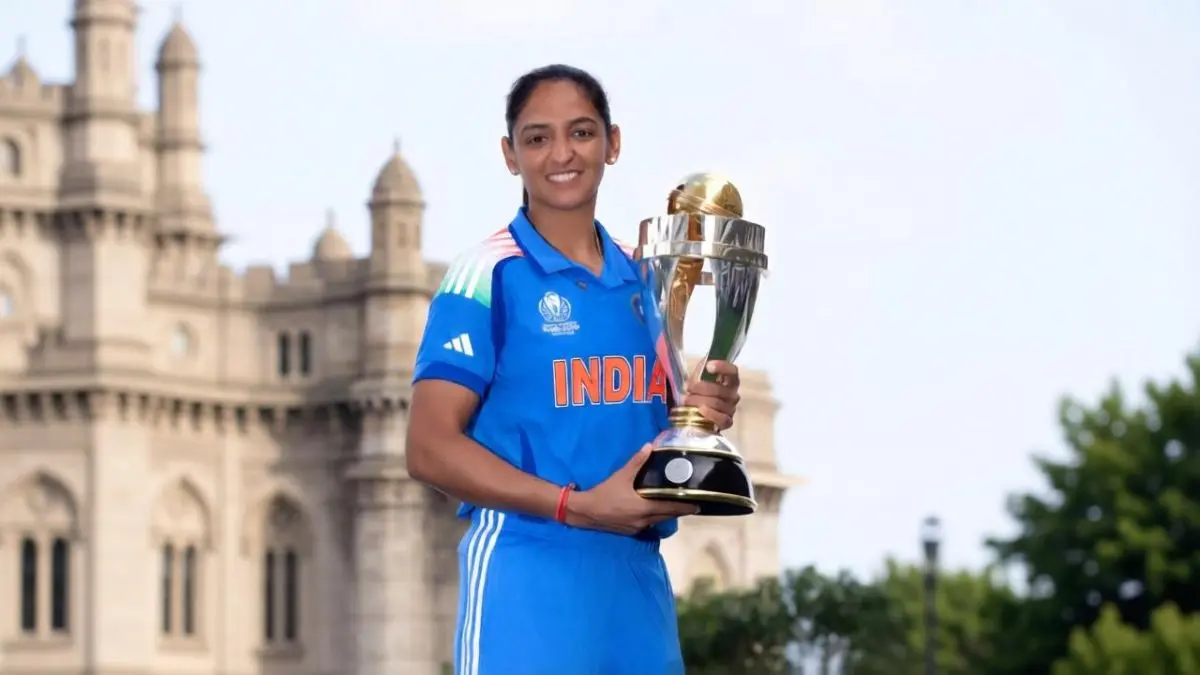
While international cricket remains the pinnacle, the domestic T20 league has become the stage where the world’s best players test their mettle against each other. As the captain of the Mumbai Indians Women, Harmanpreet Kaur has enjoyed a level of success that borders on the dynastic. She has guided the franchise to two championship titles in the 2023 and 2025 seasons, establishing the Mumbai Indians as the benchmark franchise in the WPL’s young history.
Her individual statistics in the WPL are staggering. Appearing in 29 matches, she has batted in all of them, accumulating a total of 1,016 runs. This figure carries historical weight: she is the first Indian player to cross 1,000 runs in the history of the Women’s Premier League. Her highest score, an unbeaten 95, suggests that a century in the competition is only a matter of time—and given her strike rate, that century would likely come in electrifying fashion.
The numbers that truly distinguish her WPL career, however, are the batting average and strike rate. With an average of 46.18, she ranks among the most consistent high-performers in the league’s history. This average, nearly ten points higher than her ODI average and sixteen points higher than her T20I average, speaks to a player who has made the WPL her personal dominion. Perhaps even more impressive is the strike rate: 146.18. This is the hallmark of a modern T20 finisher, a batter who can score at nearly a run-and-a-half per ball while maintaining an average above 45. In a league featuring the world’s finest bowlers, these numbers are extraordinary. They indicate that Kaur has not only adapted to the demands of franchise cricket but has thrived beyond expectation. Her leadership of the Mumbai Indians, combined with her personal run-scoring feats, has created a template for captaincy: lead from the front, score at will, and lift the trophy twice in three seasons.
The Intangibles: Leadership and Legacy
The statistical portrait of Harmanpreet Kaur—8,700 international runs, 75 wickets, a Test best of 9/85, a WPL average of 46.18, and a World Cup trophy—is incomplete without acknowledging the weight of captaincy. As of May 2026, she has led India to its first-ever Women’s Cricket World Cup title. No number in a table can fully capture the pressure of a global semifinal, the tactical decisions in a tight chase, or the emotional toll of captaining a cricket-obsessed nation of over a billion people. Yet, the statistics provided hint at the kind of captain she is: aggressive with the bat (strike rate 109.82 in T20Is), economical with the ball (economy 2.59 in Tests), and remarkably consistent in high-leverage situations (WPL average 46.18).
Her ability to marshal her own bowling resources—including herself—has been a hallmark of her leadership. In ODIs, where she has taken 31 wickets at an economy of 5.28, she often introduces her off-breaks during the middle overs to break partnerships. In T20Is, her 32 wickets at an average under 25 provide a captain’s dream: a bowler who can be trusted to deliver four overs in virtually any match situation. The 9/85 in Tests remains one of the greatest individual bowling performances by an Indian woman, and the fact that it was achieved by the captain herself speaks volumes about her all-around commitment.
A Breakdown of Formats: The Complete All-Rounder
To synthesize the data: across Tests, Harmanpreet Kaur averages 23.00 with the bat and 15.42 with the ball—a differential that highlights her bowling prowess in the format. In ODIs, her batting average of 37.22 and bowling average of 49.45 show a batting-first all-rounder, but one whose 31 wickets have often been crucial. In T20Is, the batting average of 29.78 and bowling average of 24.84 nearly mirror each other, suggesting that in the shortest format, she is as valuable with the ball as with the bat.
The 7 ODI centuries and 24 half-centuries indicate a batter who prefers to go big when she gets a start. The 1 T20I century and 16 half-centuries in that format show a player who can anchor or attack as needed. And the solitary Test fifty—a 69—leaves the door open for a future hundred in whites before she retires.
Conclusion: The Numbers Behind the Name
As of May 2026, Harmanpreet Kaur is not merely a player; she is an institution. The first Indian woman to cross 1,000 WPL runs. The captain who delivered India’s first World Cup. An all-rounder with 75 international wickets and over 8,700 runs. A batter who strikes at 146 in the WPL and averages 37 in ODIs. A bowler who has taken 9 wickets in a Test innings for just 85 runs. These are not random data points. They are the building blocks of a career that has redefined what is possible for women’s cricket in India.
Her batting statistics across formats reveal a player of immense adaptability—from the measured 69 in Tests to the explosive 171* in ODIs to the rapid 103 in T20Is. Her bowling statistics reveal a captain who leads by example, turning her arm over whenever the team needs a breakthrough. And her WPL record, highlighted by two titles and a thousand runs, proves that she thrives on the biggest franchise stages.
For those seeking a deeper dive, further breakdowns of her recent match-by-match performances from the 2026 South Africa tour or details on her captaincy records would reveal the granular decisions behind the glory. But even without those specifics, the statistical story told here is undeniable. Harmanpreet Kaur, as of May 2026, stands alone at the summit of the sport she has transformed. The World Cup is won. The records are set. And yet, for a competitor of her caliber, the final chapters are still being written.
Footnotes
References
External links