Highest Wickets in ODI In the rich tapestry of One Day International (ODI) cricket, few feats command as much respect as the relentless accumulation of wickets. While batsmen chase centuries and dazzling strike rates, bowlers toil in the unforgiving heat, often contending with flat pitches, fielding restrictions, and aggressive batting line-ups. To take 300, 400, or even 500 wickets in this format is to achieve a form of sporting immortality. Based on the records at hand, we explore the highest wicket-takers in ODI history, the milestones they have set, and the unbreakable records that define the art of bowling in the 50-over game.
The Pinnacle of Excellence: The 500-Wicket Club
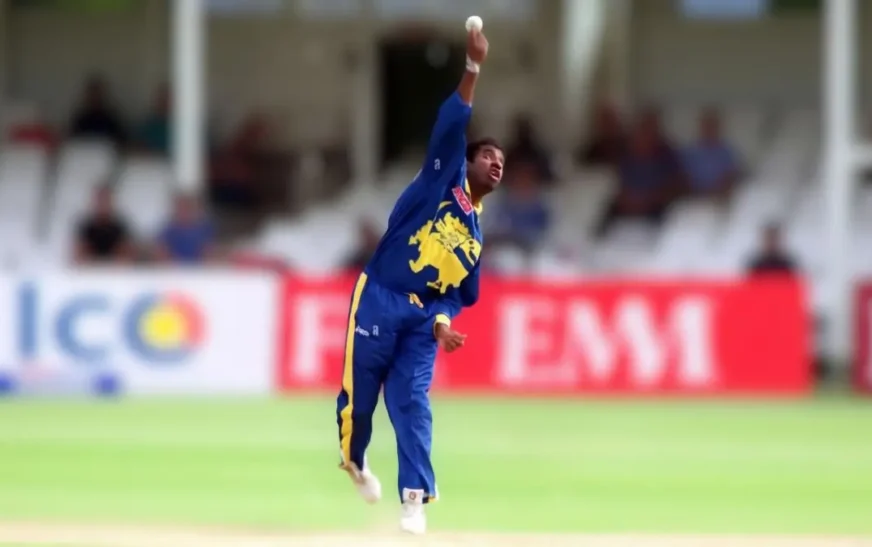
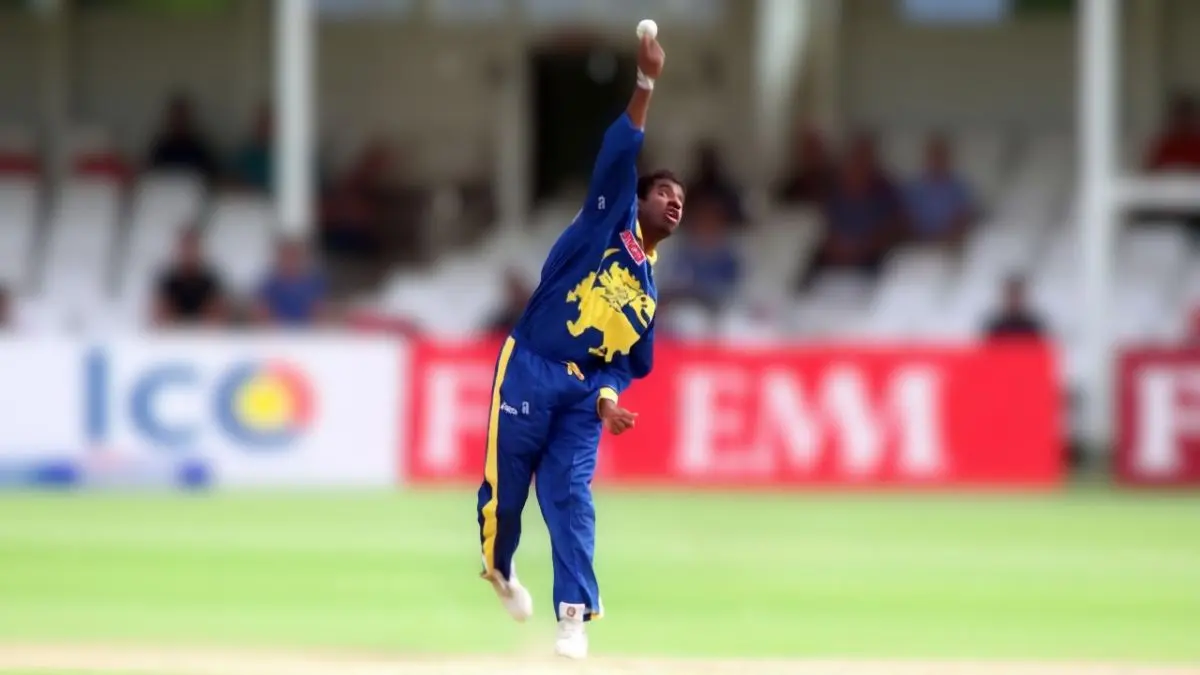
At the very summit of ODI bowling stands a name synonymous with cunning, spin, and unparalleled consistency. Muttiah Muralitharan of Sri Lanka holds the record for the highest number of wickets in One Day International cricket. His final tally is a staggering 534 wickets, amassed over a career that spanned 350 matches for his country. To contextualize this achievement, consider the longevity and skill required: a wicket every 23.08 runs on average, with his best bowling figures in an innings being 7 wickets for just 30 runs. Muralitharan’s unique action, breathtaking variations, and ability to extract turn from almost any surface made him a nightmare for batsmen across the globe. For more than a decade, he was Sri Lanka’s primary strike weapon, and his 534-wicket haul remains the gold standard that all other ODI bowlers aspire to, but few will ever reach.
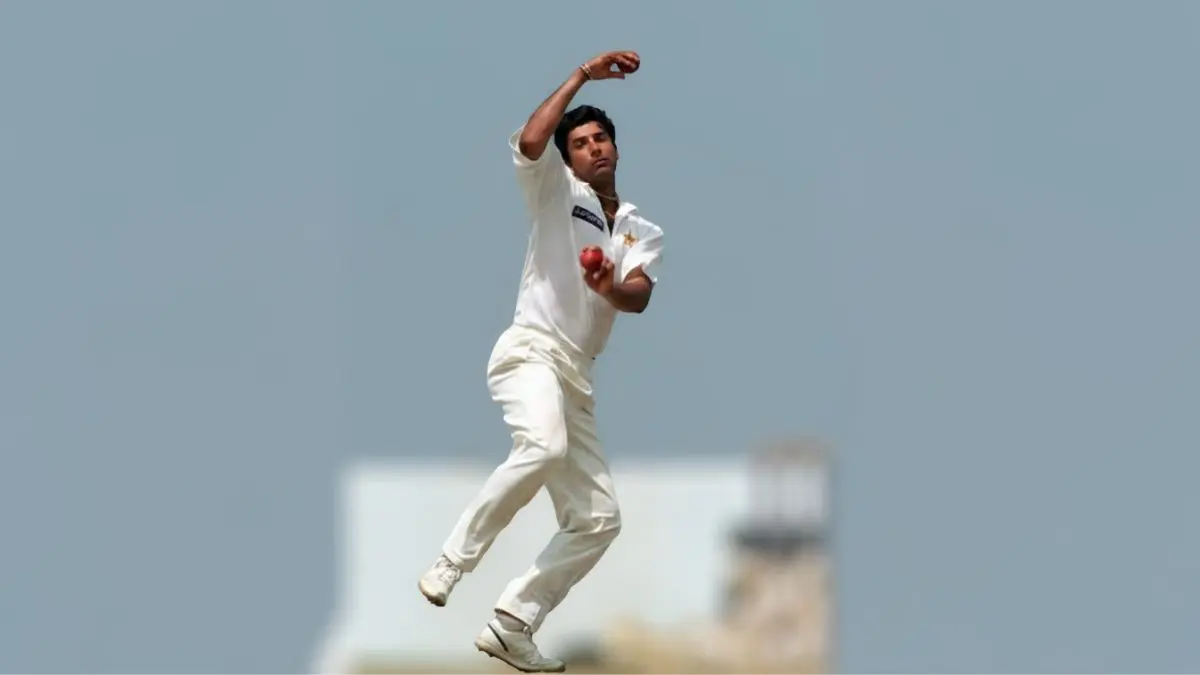
The only other bowler to have breached the formidable 500-wicket milestone in ODI history is Pakistan’s legendary left-arm fast bowler, Wasim Akram. Often referred to as the “Sultan of Swing,” Akram finished his illustrious career with 502 wickets. While his tally is 32 short of Muralitharan’s, Akram achieved his wickets in 356 matches – six more than Muralitharan – highlighting a different kind of durability. Akram was the complete fast bowler: he possessed searing pace, the ability to swing the ball both ways, and a devastating reverse-swing capability in the death overs. His best figures of 5 for 15 are a testament to his ability to dismantle top orders. Together, Muralitharan and Akram form an exclusive club of two, their names forever etched in the record books as the only men to take 500 or more ODI wickets.
Highest Wickets in ODI W. Akram
The All-Time Top Ten: A Study in Bowling Excellence
Beyond the two giants, the top ten list of highest wicket-takers in ODIs, as drawn from official records, reveals a fascinating blend of pace, spin, and national representation. It is a who’s who of cricketing legends from four major nations: Sri Lanka, Pakistan, South Africa, and Australia. The table below structures this data for a clear comparison.
All-Time Highest Wicket-Takers in ODIs
Rk
Player
Team
Mat
Wkt
1
M. Muralitharan
SL
350
534
2
W. Akram
PAK
356
502
3
W. Younis
PAK
262
416
4
C. Vaas
SL
322
400
5
S. Afridi
PAK
398
395
6
S. Pollock
RSA
303
393
7
G. McGrath
AUS
250
381
8
B. Lee
AUS
221
380
9
L. Malinga
SL
226
338
10
A. Kumble
IND
269
334
Highest Wickets in ODI
Records
Best Bowling Figures: C. Vaas (SL) – 8/19
Most Wkts (IND): A. Kumble – 334
Most Wkts (Women’s ODIs): J. Goswami (IND) – 255
World Cup Record: G. McGrath (AUS) – 71
Examining this table, several key narratives emerge. Ranked third is another Pakistani fast bowling icon, Waqar Younis. In just 262 matches – fewer than nearly everyone else in the top six – Waqar took 416 wickets at a brilliant average of 23.84. Known as the “Burewala Express,” Waqar was the master of the yorker and reverse swing. His best figures of 7 for 36 remain one of the most destructive spells in ODI history. Alongside Wasim Akram, Waqar formed the most fearsome new-ball pair cricket has ever seen, and their combined presence explains Pakistan’s dominance in the bowling charts.
In fourth place is another Sri Lankan great, Chaminda Vaas. Vaas took exactly 400 wickets in 322 matches. While his average of 27.54 is slightly higher than some of his peers, Vaas was a master of swing and seam movement, particularly in the first ten overs. His best figures of 8 for 19 are not just a personal best but, as noted in the milestones, the best individual bowling figures in an ODI match ever recorded. That performance against Zimbabwe in 2001 remains a benchmark for bowling perfection.
Fifth on the list is the explosive Shahid Afridi of Pakistan. Afridi played a staggering 398 matches, the most of any bowler in the top ten, and took 395 wickets. His average of 34.51 is the highest in the top ten, reflecting that he was often a strike bowler who could be expensive but was always a wicket-taking threat. Afridi’s leg-spin was rapid and deceptive, and his best figures of 7 for 12 are the third-best in the top ten by average. He is a unique entry: a bowler who was also one of the most destructive hitters of the ball in history.
South Africa’s Shaun Pollock occupies sixth place with 393 wickets from 303 matches. Pollock was the embodiment of metronomic accuracy. With an average of 24.50, he was relentlessly consistent, bowling a perfect line and length that frustrated batsmen into making mistakes. He was not as expressive as Waqar or as flamboyant as Afridi, but his economy and intelligence made him one of the most reliable bowlers of his generation.
Australia, a nation known for its dominant pace battery, places two of its greatest exponents in seventh and eighth. Glenn McGrath, with 381 wickets from just 250 matches, has the best average among the top ten: an extraordinary 22.02. His best figures of 7 for 15 underline his ability to exploit any seam movement. McGrath was not about raw pace; he was about precision, bounce, and relentless pressure. Brett Lee, in contrast, was all about speed. With 380 wickets from 221 matches at an average of 23.36, Lee was the enforcer. His raw pace and aggressive bowling made him a fan favorite, and his 5 for 22 remains a classic display of hostile fast bowling.
Ninth is Sri Lanka’s Lasith Malinga, a revolutionary bowler with his sling-arm action. He took 338 wickets in 226 matches. While his average of 28.87 is higher, Malinga’s value lies in his death bowling. He was a master of the yorker and slower ball, and his unique action made him difficult to read. Finally, rounding out the top ten is India’s Anil Kumble with 334 wickets from 269 matches at an average of 30.89. Kumble was not a big turner of the ball; he was a skiddy, accurate leg-spinner who relied on bounce and variations in flight. His best figures of 6 for 12 showcase his ability to run through the middle orders on helpful pitches.
Beyond the Numbers: Key Milestones and National Records
While the top ten list provides the broad strokes of ODI bowling greatness, the key milestones and records add color and context. These achievements highlight individual brilliance and set apart the very best from the merely excellent.
The most extraordinary individual performance in ODI bowling history belongs to Chaminda Vaas. His figures of 8 for 19 against Zimbabwe in 2001 are the best individual bowling figures in an ODI match. This is not merely a statistical anomaly; it is a perfect storm of skill, conditions, and execution. Taking eight wickets in a 50-over game requires a bowler to be virtually unplayable, and Vaas’s left-arm swing was exactly that on that day. This record stands as a testament to what is possible when a bowler is in a state of complete harmony with his craft.
From a national perspective, India finds its most successful ODI bowler in Anil Kumble. With 334 wickets, Kumble leads the charts for his country. In a nation that has produced legendary spinners like Harbhajan Singh, Ravichandran Ashwin, and, more recently, Yuzvendra Chahal, Kumble’s dominance remains unchallenged. His 334 wickets were taken at a time when Indian cricket was transitioning from a largely batting-dominated culture to a more balanced side. Kumble’s ability to bowl long spells, maintain a tight economy, and take crucial middle-order wickets made him India’s go-to bowler in both the 1996 and 2003 World Cups. His legacy as India’s ODI bowling spearhead is secure.
The record books also shine a light on the women’s game, where the towering figure of Jhulan Goswami from India leads the format comprehensively. With 255 wickets in women’s ODIs, Goswami is the highest wicket-taker in the history of the women’s game. A tall, right-arm fast bowler, Goswami combined pace, swing, and relentless accuracy over a career that spanned nearly two decades. Her 255-wicket haul is not just a record; it is a monumental achievement in a format where women’s teams play fewer matches than their male counterparts. Goswami’s longevity and skill set set a standard for all future female fast bowlers to aspire to.
Finally, no discussion of ODI records is complete without mentioning the ICC Men’s Cricket World Cup. The tournament is the pinnacle of the 50-over format, where legends are truly made. In this arena, Australia’s Glenn McGrath holds the record for the most aggregate wickets in World Cup history, with an astonishing 71 wickets. McGrath played in four World Cups (1996, 1999, 2003, 2007), and in each edition, he was Australia’s linchpin. His 71 wickets came in just 39 matches, at an average of under 18 – a figure that is even more remarkable given the high-pressure nature of World Cup encounters. From his opening spell of 3 for 14 in the 1999 final to his consistent dismantling of top orders in 2003 and 2007, McGrath’s World Cup record is arguably the most impressive of all his achievements. It is a record that speaks to his ability to perform on the grandest stage, against the best batsmen in the world, when it mattered most.
The Art of the ODI Bowler
What these statistics and milestones reveal is a deeper truth about ODI bowling. Unlike Test cricket, where a bowler can be patient and set fields for days, the 50-over format demands a different skillset. A bowler must be economical to build pressure, but also a wicket-taker to break partnerships. He must have yorkers for the death, slower balls for the middle overs, and bouncers for the aggressive batsmen.
Muralitharan’s 534 wickets came from his ability to be both economical and devastating. His average of 23.08 and his economy rate (not listed but famously low) show that he rarely gave batsmen anything to hit. Wasim Akram’s 502 wickets were built on deception – the batsman never knew if the next ball would swing in, swing out, or seam off the pitch. Waqar Younis’s 416 wickets were the result of raw aggression and perfect execution of the yorker. Chaminda Vaas’s 400 wickets, including his record 8 for 19, came from old-fashioned swing bowling.
The presence of Shahid Afridi in the top five with the highest matches played (398) and the highest average (34.51) tells a different story. Afridi was an attacking gamble. He was there to take wickets, even if it cost runs. His 7 for 12 remains one of the most destructive spells ever, but his economy was often high. Yet, Pakistan persisted with him because he broke partnerships. This highlights a key lesson in ODI cricket: wicket-takers are invaluable, even if they are expensive.
Shaun Pollock’s 393 wickets at an average of 24.50 represent the gold standard for economical bowling. McGrath’s 381 wickets at 22.02 represent the perfect marriage of economy and wicket-taking. Brett Lee’s 380 wickets at 23.36 show the value of sheer pace. Malinga’s 338 wickets, despite a higher average, underscore the importance of death bowling. And Anil Kumble’s 334 wickets remind us that accuracy and bounce can be just as effective as prodigious turn.
Conclusion: A Legacy of Wickets
The history of One Day International cricket is, in many ways, the history of its greatest bowlers. From Muralitharan’s 534 to Vaas’s 8 for 19, from McGrath’s 71 World Cup wickets to Jhulan Goswami’s 255 in the women’s game, these numbers tell stories of endurance, skill, and tactical genius.
The top ten list is a hall of fame. It includes three Pakistanis (Wasim Akram, Waqar Younis, Shahid Afridi), three Sri Lankans (Muralitharan, Vaas, Malinga), two Australians (McGrath, Lee), one South African (Pollock), and one Indian (Kumble). This distribution reflects the cricketing cultures of these nations – Pakistan’s factory of left-arm fast bowlers, Sri Lanka’s production line of clever swing and spin bowlers, Australia’s relentless pace and accuracy, South Africa’s discipline, and India’s reliance on spin.
As the ODI format evolves, with T20 cricket exerting greater influence, it is unlikely that many of these records will be broken. The days of a bowler playing 350-400 ODIs may be over. The days of a single bowler taking 500 wickets may never return. But that is precisely what makes these achievements so special. Muttiah Muralitharan, Wasim Akram, Waqar Younis, Chaminda Vaas, and the others on this list were not just bowlers; they were artists, warriors, and match-winners. They defined an era of one-day cricket where a great spell of bowling could be as thrilling as a century. Their wickets are not just numbers on a page; they are the footprints of giants. And for as long as cricket is played, those footprints will never be erased.