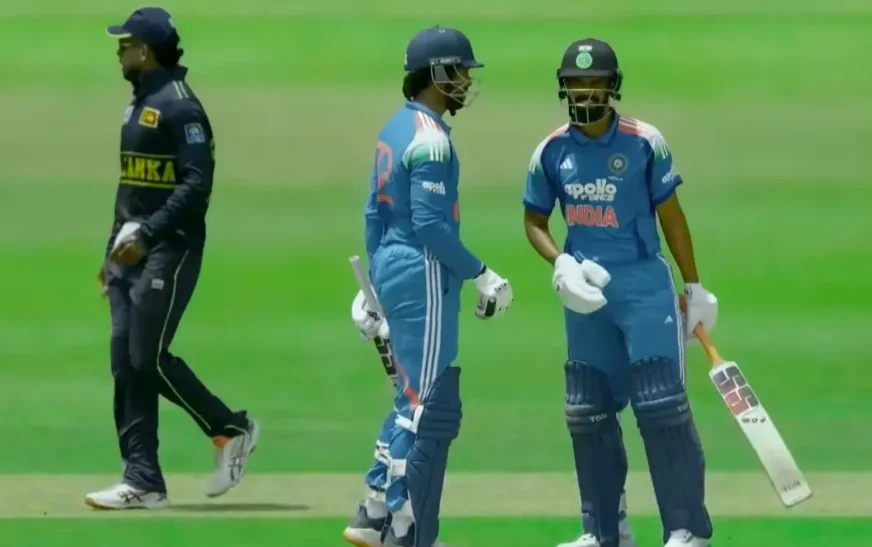
India vs Sri Lanka Tri Series 2026 Squad in Dambulla. Explore full squad lists, match results, schedules, and highlights from the ongoing List-A tournament running from 9–21 June 2026.
Introduction: Where Futures Are Forged
There is something uniquely compelling about A-team cricket. It occupies a peculiar and vital place in the ecosystem of the sport, neither the polished theatre of full international competition nor the gritty anonymity of domestic cricket. It is, instead, the most critical proving ground in the game, a stage where reputations are built, selectors take notes, and young careers either accelerate sharply or stall under pressure. The Tri-Nation A-Series currently underway in Dambulla, Sri Lanka, in June 2026 is precisely that kind of tournament — rich in significance, packed with talent, and brimming with the kind of intensity that defines a player’s trajectory.
Hosted at the iconic Rangiri Dambulla International Stadium, the tournament brings together the ‘A’ squads of three cricketing nations: India, Sri Lanka, and Afghanistan. The round-robin format, spread across a busy schedule from 9 June to 21 June 2026, ensures that every team faces the others multiple times before a final showdown on the last day of the tournament. Six league matches followed by a final — it is a compact, purposeful format designed not for spectacle alone, but for evaluation, for development, and for delivering answers to the selectors waiting in the wings.
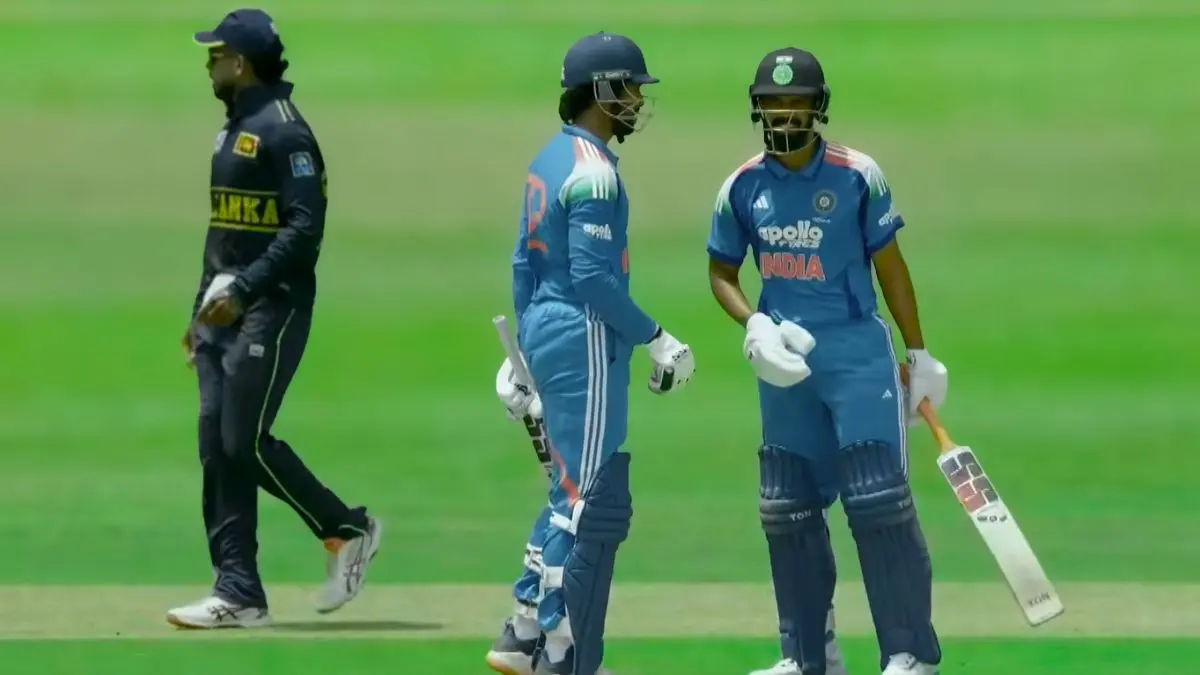
India A vs Sri Lanka A
| 1 | Tilak Varma (c) | Sahan Arachchige (c) | ||
| 2 | Ruturaj Gaikwad (vc) | Nuwanidu Fernando | ||
| 3 | Vaibhav Sooryavanshi | Avishka Fernando | ||
| 4 | Harsh Dubey | Ahan Wickramasinghe | ||
| 5 | Anukul Roy | Kugathas Mathulan | ||
| 6 | Suryansh Shedge | Garuka Sanketh | ||
| 7 | Vipraj Nigam | Vishen Halambage | ||
| 8 | Priyansh Arya | Wanuja Sahan | ||
| 9 | Yudhvir Singh | Ravindu Fernando | ||
| 10 | Nishant Sindhu | Chamika Karunaratne | ||
| 11 | Ayush Badoni | Niroshan Dickwella (wk) | ||
| 12 | Mohd Arshad Khan | Sadeera Samarawickrama (wk) | ||
| 13 | Prabhsimran Singh (wk) | Vijayakanth Viyaskanth | ||
| 14 | Kumar Kushagra (wk) | Mohamed Shiraz | ||
| 15 | Yash Thakur | Dulaj Samuditha | ||
| 16 | Anshul Kamboj | Chamika Gunasekara |
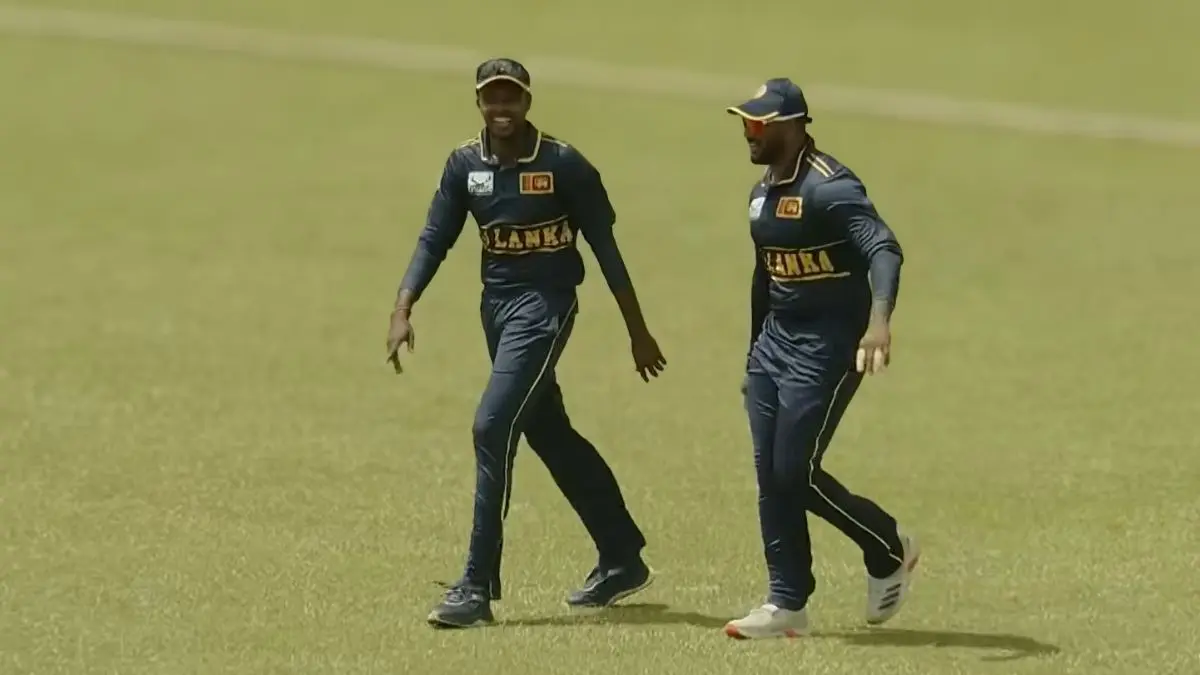
The Context: Why This Tournament Matters
Before examining the squads and the early results, it is worth pausing to consider why a tournament of this kind carries such weight. The A-team series has historically been the nursery from which international careers are launched. Countless players who have gone on to represent their nations at the highest level first caught the eye of national selectors in precisely these kinds of environments — against international-quality opposition, under the pressure of representing a national squad, in conditions unfamiliar to their domestic experience.
For India, with its vast and intensely competitive domestic circuit, A-team tours serve a specific function. They are the final filter, the last examination before a player is deemed ready for the senior squad’s consideration. With international spots at a premium and the competition for places fiercer than perhaps anywhere else in world cricket, the A-series is where players press their claims with urgency. Captained by Tilak Varma, the India A squad comes into this tournament with two matches played and an intriguing split of results — a dominant eight-run victory against Sri Lanka A in their opening encounter, followed by a tight four-run defeat via the DLS method against Afghanistan A. That combination of early confidence and subsequent humility creates exactly the kind of pressure-test environment that reveals character.
For Sri Lanka, the tournament carries a different but equally important significance. Playing at home — and at Dambulla specifically, a venue that sits in the cultural heartland of the island and offers conditions intimately familiar to local players — there is both an advantage and a burden of expectation. A strong showing from Sri Lanka A would not only develop players for senior selection but also signal the depth of talent within the Sri Lankan cricket system at a time when the national team is always looking to reinforce its roster. Sri Lanka A enters the tournament with a challenging schedule ahead, having not yet registered a win in the first two matches played by other sides.
For Afghanistan A, the tournament represents something arguably even more significant. Afghanistan cricket has grown at a remarkable pace over the past two decades, but the challenge of maintaining momentum and development in an A-team context — against nations with much larger cricketing infrastructures — remains real. The fact that Afghanistan A defeated India A by four runs via DLS in just the second match of the tournament is a statement of considerable intent. It signals that this is a squad not here merely to participate, but to compete at the highest level available to them.
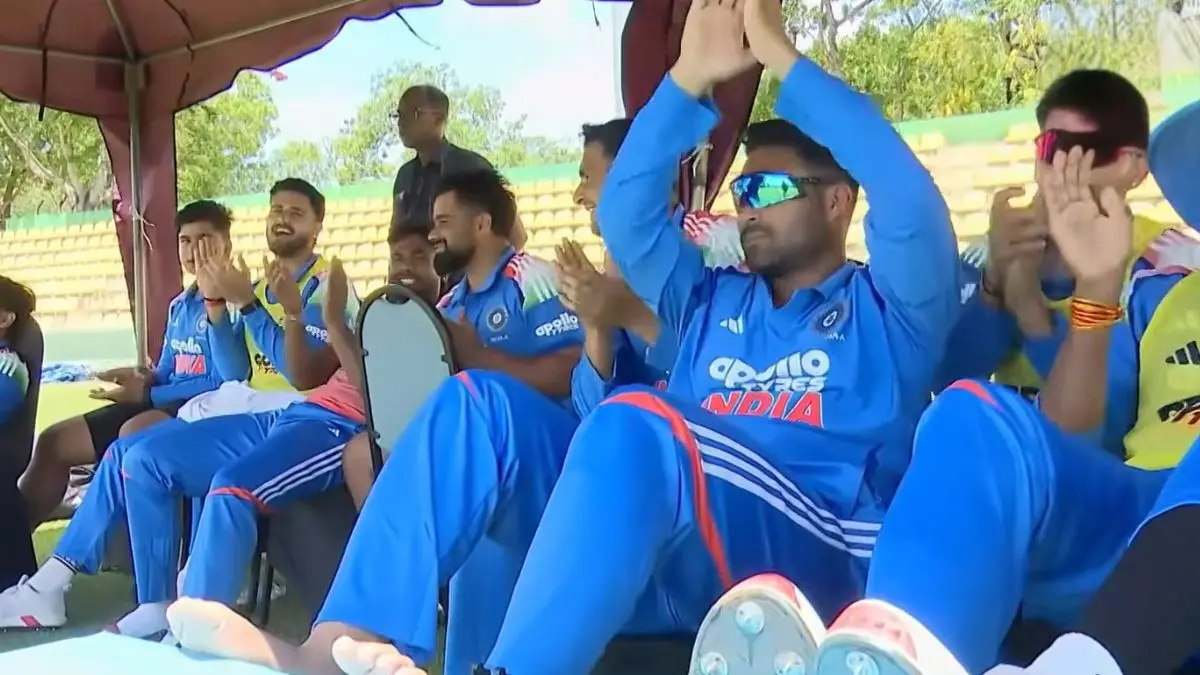
The Venue: Dambulla’s Fortress and Its Character
The Rangiri Dambulla International Stadium deserves more than a passing mention. Nestled in the dry zone of Sri Lanka’s north-central province, it is a ground of striking beauty and considerable history. The surrounding landscape — rocky outcrops, dry scrubland, and the distant shimmer of reservoirs — gives the venue a character distinct from the lush, coastal grounds more commonly associated with Sri Lankan cricket. Dambulla’s pitches are traditionally good for batting in the early stages of a match, offering bounce and carry that reward aggressive strokeplay, before the surface begins to wear and offer purchase to spin bowlers as the game progresses.
For a 50-over format like this one, that combination of characteristics creates genuinely interesting tactical puzzles. Teams batting first are inclined to exploit the early conditions, knowing that the pitch will slow and spin as the day advances. Teams bowling first, meanwhile, are acutely aware that the turning pitch in the latter stages of an innings gives their spinners something to work with. The all-day format of 10:00 AM local starts also means that dew may play a role in evening matches — though with all games in this series starting in the morning, the conditions are more predictable and less susceptible to the overnight moisture that so often distorts day-night contests.
The Results So Far: Drama in the Opening Week
The opening match of the tournament on 9 June 2026 saw India A face Sri Lanka A, and India emerged convincingly on top. Posting 277/6, India A then restricted Sri Lanka A to 269, winning by eight runs in what was a competitive but ultimately comfortable victory. That total of 277 speaks to confident batting; the ability to then defend it, rather than allowing Sri Lanka A to chase it down in the final overs, speaks to the bowlers’ competence under pressure.
The second match, played on 11 June, proved to be the tournament’s most dramatic moment to date. India A, batting first, posted a formidable 349/9 — a total that represented a significant escalation in intent from their first match and suggested their batting lineup had found its stride. Afghanistan A, set a revised target via the DLS method owing to an interruption in their chase, ultimately fell short by just four runs, finishing on 177/2 when the calculation was applied. The DLS method, always a controversial protagonist in limited-overs cricket, played its familiar role of providing a result while leaving both sides wondering what might have been in a full contest. Afghanistan A’s bowlers had conceded 349 runs to India A — a formidable total by any measure — yet their own batting lineup’s performance of 177/2 before the interruption suggested genuine resolution and skill.
The fact that these two results — an eight-run victory and a four-run defeat — were the outcomes of India A’s first two games gives the tournament an open, competitive character from the very outset. No team can consider themselves certain of progress to the final, and with four more league matches to be played before 21 June, the standings remain entirely fluid.
The India A Squad: A Study in Depth and Talent
The squad assembled for India A is, by any measure, an impressive collection of cricketers. Captained by Tilak Varma — a player whose calm authority and elegant middle-order batting have made him one of the most talked-about names in Indian domestic cricket — the side reflects both the depth of India’s talent pool and the specificity of what selectors are looking for.
Vice-captain Ruturaj Gaikwad provides the top-order stability and elegance that any 50-over batting lineup requires. Gaikwad’s technique, honed across hundreds of matches in demanding domestic conditions, makes him the kind of player who sets the platform for those below him to build upon. Alongside him in the batting ranks, Vaibhav Sooryavanshi brings a more aggressive approach — the kind of player who can shift a game’s momentum in a handful of overs.
The middle order and lower order of this squad are notably deep. Harsh Dubey, Anukul Roy, and Suryansh Shedge are all classified as all-rounders, which speaks to the selectors’ preference for balance and flexibility in this format. An all-rounder in 50-over cricket is not merely a player who can do two things adequately — they are a player who can be decisive in either discipline, potentially winning matches through bowling when the batting falters or vice versa. Vipraj Nigam and Priyansh Arya round out a formidable all-rounder group.
Yudhvir Singh, Nishant Sindhu, Ayush Badoni, and Mohd Arshad Khan also offer the all-round option, giving captain Tilak Varma a remarkable array of choices when assembling his eleven. The wicketkeeping department is covered by Prabhsimran Singh and Kumar Kushagra, while the bowling attack’s specialist end is anchored by Yash Thakur and Anshul Kamboj.
What stands out about this squad is its versatility. Tilak Varma has no shortage of bowling options, no shortage of batting depth, and no shortage of cricketers capable of producing match-winning performances across both disciplines. Managing that depth — choosing the right eleven for each specific contest — is itself a leadership challenge, and one that Varma will be expected to navigate with the kind of tactical clarity that senior selectors will be observing closely.
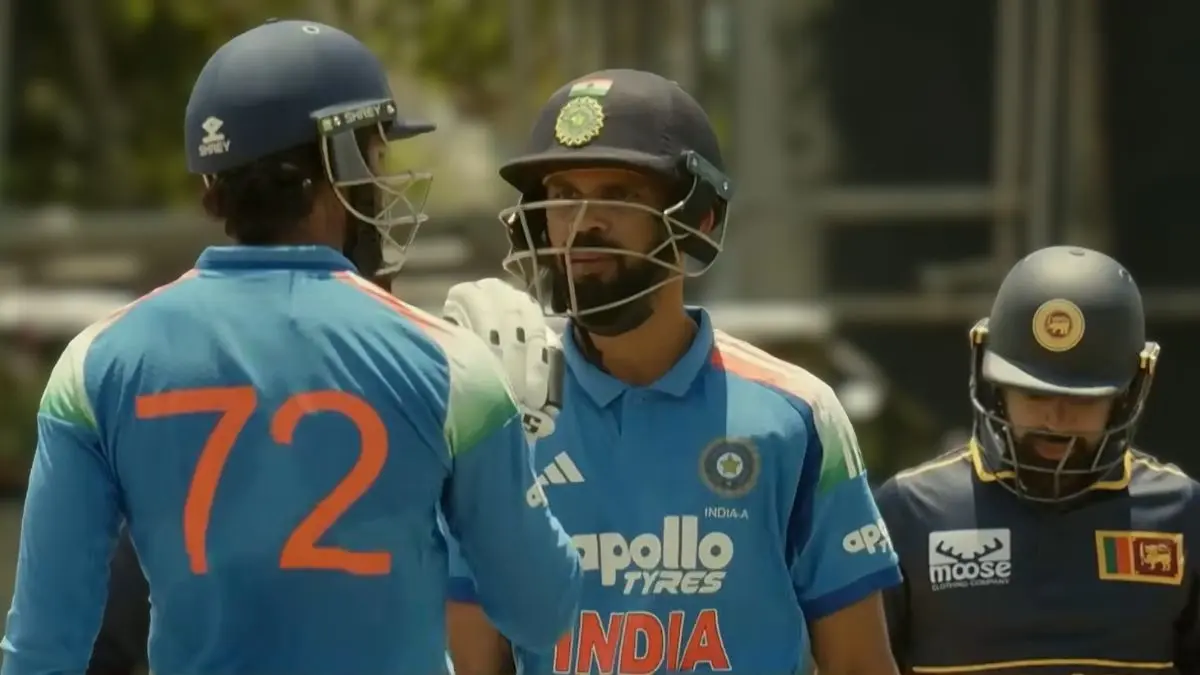
The Sri Lanka A Squad: Home Advantage and the Weight of Expectation
Sri Lanka A, captained by the experienced Sahan Arachchige, enters the tournament with the inherent advantages of playing at home. The squad’s composition reflects Sri Lanka’s traditional cricketing strengths — a batting lineup that can be technically sound and aggressive in turn, supported by a bowling attack that blends pace and spin in a ratio designed to exploit local conditions.
Arachchige himself, classified as an all-rounder, sets the tone for a squad that prioritizes balance. Nuwanidu Fernando and Avishka Fernando — two players who have been among Sri Lanka’s most consistent limited-overs batting performers at domestic and A-team level — provide the core of the batting lineup, while Ahan Wickramasinghe and Kugathas Mathulan offer further top-order options.
The middle order and lower middle order, as with India A, are populated by all-rounders: Garuka Sanketh, Vishen Halambage, and Wanuja Sahan. Ravindu Fernando, Chamika Karunaratne, and further all-around options ensure that Sri Lanka A’s lineup is flexible enough to adapt to whatever conditions and match situations present themselves.
The wicketkeeping duties fall to the experienced Niroshan Dickwella and Sadeera Samarawickrama, both of whom are accomplished operators behind the stumps and capable contributors with the bat. Vijayakanth Viyaskanth, Mohamed Shiraz, Dulaj Samuditha, and Chamika Gunasekara constitute the specialist bowling options — a varied attack capable of making use of Dambulla’s conditions as the pitches wear through a match.
For Sri Lanka A, the pressure of playing at home amplifies everything. Their first match — against India A on 9 June — resulted in a loss by eight runs, a narrow enough defeat to offer encouragement but still a defeat. The upcoming match on 13 June against Afghanistan A, played on home soil in familiar Dambulla conditions, becomes a must-win in the context of tournament progression. A victory there would revive their campaign and set up the remainder of the league stage with meaningful stakes.
The Tournament’s Tactical Landscape
In a tri-nation A-series format, every match carries double significance. Not only does each result affect the winning team’s direct standings, but it simultaneously damages the losing team’s position in relation to both opponents. The compressed schedule — with matches every two days — allows no recovery time, no opportunity to lick wounds before the next challenge arrives. Teams that fall behind in the standings early in such a tournament often find themselves playing catch-up cricket under conditions of mounting pressure, which compounds the difficulties they already face.
The toss, in Dambulla, is likely to be a significant factor. As noted earlier, the pitches tend to favour batting in the first half of a match, with spin becoming progressively more relevant as the day wears on and the surface breaks up. A captain winning the toss and electing to bat first at this venue acquires not just the advantage of batting on the freshest pitch but also the advantage of setting a target that the opposition must chase on a turning surface. Afghanistan A’s DLS victory over India A, however, suggests that no total at this venue is entirely safe, and that chasing teams — if they can absorb early pressure — have every chance of competing even on wearing pitches.
The Road to the Final: What Each Team Needs
As the tournament enters its second week, the picture is becoming clearer, though still far from settled. India A’s positive run differential and early victories give them an edge in momentum. Afghanistan A’s dramatic DLS win over India A signals that they are not merely making up the numbers. Sri Lanka A, yet to win, face the most immediate pressure, needing wins in their remaining league matches to keep their hopes of reaching the final alive.
The schedule offers every team the opportunity to play each opponent at least twice before the final. India A plays Afghanistan A again on 17 June, a fixture that carries the resonance of the early DLS contest and promises to be one of the tournament’s most compelling matches. Sri Lanka A’s fixtures on 15 June against India A and 19 June against Afghanistan A represent their clearest paths to building tournament momentum.
The final on 21 June — to be played between the two teams that best navigate the league stage — promises to be the culmination of a fortnight of fierce competition, tactical ingenuity, and individual brilliance.
The Larger Picture: Why A-Team Cricket Is More Than a Stepping Stone
It would be reductive to view this tournament solely through the lens of what it might mean for the senior squads of the three participating nations. While there is no question that the selectors for India, Sri Lanka, and Afghanistan will be watching with intense interest, the tournament has value beyond its role as an audition. It creates competitive international experience for players who might not otherwise have the opportunity to test themselves at this level. It builds the kind of match-hardened resilience that domestic cricket, for all its intensity, cannot entirely replicate.
There is also a broader dimension to the presence of Afghanistan A in this series. Cricket’s growth in Afghanistan has been one of the sport’s most remarkable stories, and the presence of their A team in a competitive tri-nation series against India A and Sri Lanka A represents the continuation of that growth. Every match they play — regardless of result — adds to the experience and maturity of a program that is still relatively young by international standards but which has developed at a speed that has surprised even the most optimistic observers.
Conclusion: Dambulla Awaits Its Verdict
The Tri-Nation A-Series in Sri Lanka 2026 is, in every meaningful sense, a tournament that matters. It matters to the players whose careers hang in the balance. It matters to the selectors watching from afar. It matters to the supporters of each nation who see in these young cricketers the future of their beloved game. And it matters to the sport itself, which depends on precisely these kinds of competitions to continuously replenish the talent entering the international arena.
With the final still nine days away as of the midpoint of the series, and with the results so far having revealed genuine competitiveness across all three teams, there is every reason to expect that the cricket played in Dambulla over the coming days will deliver moments of brilliance, tension, and drama worthy of the stage. The Rangiri Dambulla International Stadium — nestled in that breathtaking, dry landscape of central Sri Lanka — is ready for its role. The players have been named, the squads have been announced, and the first battles have been fought. What remains is the verdict, and in cricket, as in all sports, the verdict is never delivered until the very last ball is bowled.
Footnotes
References
External links