England Women’s National Cricket Team vs Sri Lanka Women T20 World Cup 2026
The countdown to the ICC Women’s T20 World Cup 2026 reaches its final hours. On Friday, 12 June 2026, a new chapter in the history of the women’s game will begin under the floodlights of Edgbaston in Birmingham. The opening match of the tournament – and the first fixture of Group B – pits the hosts, England Women, against Sri Lanka Women in a day‑night encounter that carries both immediate points and the weight of a global occasion.
With the expanded 12‑team format making its debut across England and Wales over 24 days, the tournament organizers could not have asked for a more symbolic start. Edgbaston, a ground renowned for its passionate crowds and atmospheric evening cricket, will welcome two sides eager to set down an early marker. The match is scheduled to begin at 6:30 PM local time (BST), which corresponds to 5:30 PM GMT and 11:00 PM Indian Standard Time, ensuring a broad international audience.
For England, the assignment is clear: justify the status of hosts and front‑runners. For Sri Lanka, the challenge is equally compelling – to upset the established order and announce themselves as genuine contenders in a group that also contains New Zealand, West Indies, Ireland, and Scotland. The following analysis unpacks everything from the confirmed squad cores to the tournament context, broadcast arrangements, and what each team’s selected personnel suggest about their tactical approach.
England | Sri Lanka |
| Danni Wyatt-Hodge | Chamari Athapaththu (c) |
| Heather Knight | Nilakshika Silva |
| Amy Jones (wk) | Hasini Perera |
| Nat Sciver-Brunt (c) | Sugandika Kumari |
| Sophie Ecclestone | Hansima Karunaratne |
| Sophia Dunkley | Harshitha Samarawickrama |
| Danielle Gibson | Kavisha Dilhari |
| Linsey Smith | Imesha Dulani |
| Charlie Dean | Kawya Kavindi |
| Lauren Bell | Vishmi Gunarathne |
| Issy Wong | Kaushini Nuthyangana (wk) |
| Freya Kemp | Malki Madara |
| Alice Capsey | Nimasha Meepage |
| Lauren Filer | Shashini Gimhani |
| Tilly Corteen-Coleman | Mithali Ayodhya |
Tournament and Group Context: A New Era of Expansion
This edition of the ICC Women’s T20 World Cup is historic in more ways than one. It is the first to feature an expanded field of 12 teams, up from the previous 10, reflecting the accelerating growth of women’s cricket worldwide. The tournament stretches across 24 days, with matches hosted at multiple venues in England and Wales, culminating in the final at Lord’s on 5 July 2026.
England and Sri Lanka find themselves together in Group B, a competitive cluster of six nations. Alongside them are New Zealand, the West Indies, Ireland, and Scotland. With only the top teams advancing to the knockout stages, every match carries heightened significance – but the opening fixture often exerts a psychological influence that extends far beyond net run rates.
For England, playing at home transforms pressure into a potential advantage. The familiarity with conditions at Edgbaston – a ground that typically offers pace and bounce, with shorter straight boundaries – will inform their team selection and match strategy. For Sri Lanka, the opener represents a free‑swinging opportunity: a chance to unsettle the hosts before the tournament settles into its rhythm.
The day‑night format adds another layer. Evening matches in June in Birmingham can feature dew, which affects spin bowling and fielding. Both teams will have considered this when naming their squads, balancing attack with adaptability.
England’s Expected Squad Core: Experience Bathed in Youthful Energy
The materials list an expected England squad core led by captain Nat Sciver‑Brunt. She is described as heading an experienced line‑up that features Heather Knight, Danni Wyatt‑Hodge, Sophie Ecclestone, and Amy Jones. That quintet represents the backbone of England’s white‑ball revolution over the past half‑decade: Knight’s tactical astuteness, Wyatt‑Hodge’s explosive top‑order batting, Ecclestone’s miserly left‑arm spin, and Jones’s sharp wicketkeeping and middle‑order finishing. Sciver‑Brunt herself is the fulcrum – a world‑class all‑rounder capable of changing a match with bat, ball, or captaincy decisions.
The full England squad list provided in the second image expands on this core with 15 named players. They are:
- Danni Wyatt‑Hodge
- Heather Knight
- Amy Jones (wk)
- Nat Sciver‑Brunt (c)
- Sophie Ecclestone
- Sophia Dunkley
- Danielle Gibson
- Linsey Smith
- Charlie Dean
- Lauren Bell
- Issy Wong
- Freya Kemp
- Alice Capsey
- Lauren Filer
- Tilly Corteen‑Coleman

This selection reveals a deliberate blend of power‑hitting, tactical spin, and raw pace. Sophia Dunkley’s inclusion suggests an aggressive top‑order option, capable of taking down pace and spin alike. Danielle Gibson and Freya Kemp offer explosive lower‑order batting and useful seam bowling, giving Sciver‑Brunt multiple bowling combinations. Linsey Smith and Charlie Dean provide off‑spin and left‑arm orthodox variety, respectively, complementing Ecclestone’s dominance.
The pace department is particularly intriguing. Lauren Bell has become a new‑ball stalwart with her ability to swing the ball late. Issy Wong, when on song, delivers genuine pace and a dangerous bouncer. Lauren Filer adds further speed, having troubled batters with extra bounce. Tilly Corteen‑Coleman, the youngest name on the list, represents the future – a wildcard who could be unleashed in home conditions.
What stands out is the absence of obvious weak links. England can field a first XI with six bowling options and batting down to number nine. The captaincy of Sciver‑Brunt, backed by Knight’s senior counsel, provides on‑field flexibility. Expect England to attack from the first over, using the short boundaries at Edgbaston to post imposing totals or chase down anything under 150 with aggression.
Sri Lanka’s Expected Squad Core: Veteran All‑Rounder at the Helm
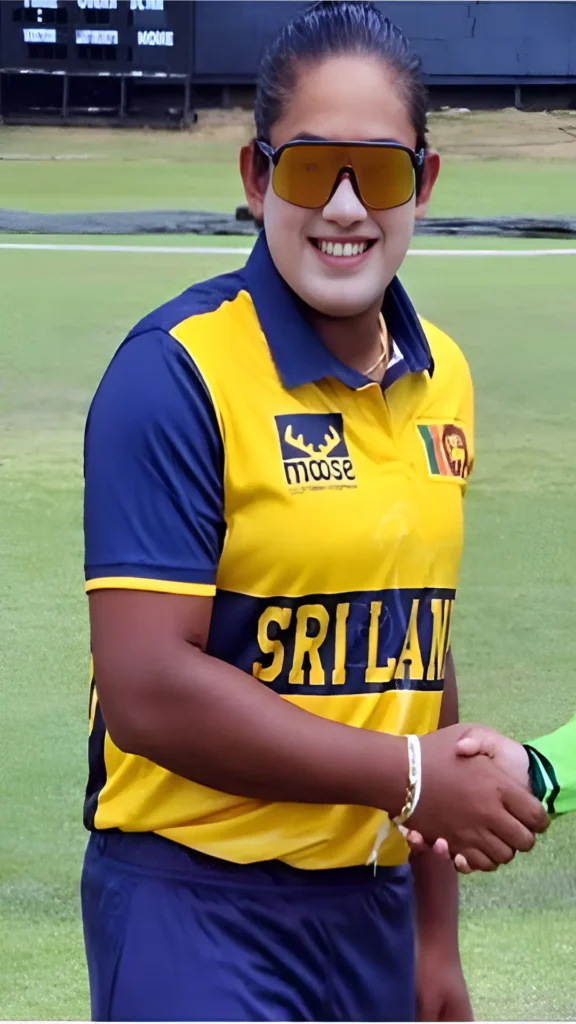
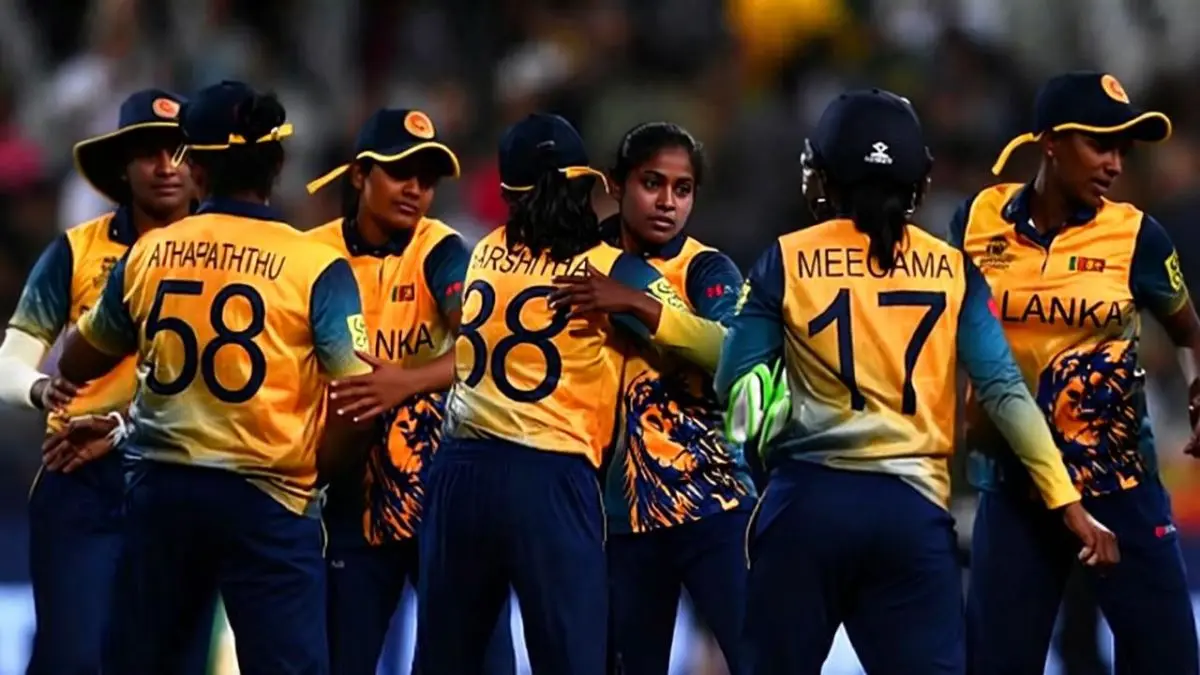
Sri Lanka’s challenge will be led by veteran all‑rounder Chamari Athapaththu, named as captain in the expected squad core. The materials highlight her alongside key players Kavisha Dilhari, Harshitha Samarawickrama, and Anushka Sanjeevani. Athapaththu is not merely a symbolic leader; she remains one of the most destructive batters in women’s T20 cricket, capable of clearing any boundary and accelerating at will. Her performance in the opening match will likely determine how competitive Sri Lanka can be.
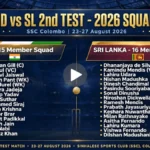
The full Sri Lanka squad list of 15 players, as provided, is:
- Chamari Athapaththu (c)
- Nilakshika Silva
- Hasini Perera
- Sugandika Kumari
- Hansima Karunaratne
- Harshitha Samarawickrama
- Kavisha Dilhari
- Imesha Dulani
- Kawya Kavindi
- Vishmi Gunarathne
- Kaushini Nuthyangana (wk)
- Malki Madara
- Nimasha Meepage
- Shashini Gimhani
- Mithali Ayodhya

This squad carries a different profile than England’s. While England leans on pace and power, Sri Lanka’s strength is likely to lie in spin and experienced middle‑order accumulation. Athapaththu aside, Harshitha Samarawickrama has developed into a reliable anchor, capable of rotating strike and finding gaps. Kavisha Dilhari offers off‑spin and lower‑order hitting – a classic all‑rounder’s role. Nilakshika Silva and Hasini Perera bring further batting experience, though both will need to accelerate more aggressively in T20 cricket than in the past.
The wicketkeeping duties fall to Kaushini Nuthyangana, whose work behind the stumps against England’s aggressive batting will be critical. Missed chances against a team like England – especially with Wyatt‑Hodge and Sciver‑Brunt at the crease – can prove fatal.
Sri Lanka’s bowling attack appears built around spin. Sugandika Kumari (left‑arm orthodox), Kavisha Dilhari (off‑spin), and Shashini Gimhani (leg‑spin) offer variety. Kawya Kavindi and Nimasha Meepage provide seam options, though their pace is unlikely to trouble England’s batters unless the pitch offers assistance. The presence of Imesha Dulani and Malki Madara suggests depth, but Sri Lanka’s success will depend on their spinners constricting runs in the middle overs – England’s traditional scoring zone.
A notable inclusion is Vishmi Gunarathne, a young top‑order batter who has shown maturity beyond her years. If Athapaththu falls early, Gunarathne may need to shepherd the innings. Conversely, if Athapaththu fires, Gunarathne can play second fiddle. The balance between aggression and caution will be Sri Lanka’s tightrope.
Tactical Match‑Up: Key Battles Within the Opener
Looking purely at the named players and the format, several individual duels are likely to decide the outcome at Edgbaston.
Sophie Ecclestone vs. Chamari AthapaththuEcclestone, England’s left‑arm spinner, is the world’s top‑ranked women’s T20I bowler. Her ability to bowl dot balls under pressure is almost unmatched. Athapaththu, by contrast, thrives on attacking spin. If Ecclestone bowls a tight line outside off, will Athapaththu attempt to hit against the turn? If Sri Lanka’s captain tries to dominate Ecclestone and fails, the entire innings could unravel. If she succeeds, England’s captain will have to rethink bowling changes.
Lauren Bell vs. Vishmi Gunarathne
Bell’s new‑ball swing could trouble any opener. Gunarathne, while talented, has occasionally been vulnerable to full, moving deliveries. An early wicket here would expose Sri Lanka’s middle order – Silva, Perera, Karunaratne – to pressure they may not withstand.
Nat Sciver‑Brunt’s death bowling vs. Harshitha Samarawickrama’s finishing
Sciver‑Brunt often bowls at the death, using cutters and yorkers. Samarawickrama is Sri Lanka’s best hope for a late flourish. If the match is tight in the final five overs, this battle could be the difference between 140 and 160 – a critical margin given England’s batting depth.
Sciver‑Brunt often bowls at the death, using cutters and yorkers. Samarawickrama is Sri Lanka’s best hope for a late flourish. If the match is tight in the final five overs, this battle could be the difference between 140 and 160 – a critical margin given England’s batting depth.
Amy Jones’s keeping vs. Sri Lanka’s attempted sweeps
Jones is a safe gloveman, but against Sri Lanka’s spinners, England’s own batters will face turn. The more pertinent contest is Jones’s work when Sri Lanka bat: if Athapaththu or Samarawickrama attempt sweeps against Ecclestone or Dean, Jones’s ability to effect stumpings or take sharp chances will be tested.
Jones is a safe gloveman, but against Sri Lanka’s spinners, England’s own batters will face turn. The more pertinent contest is Jones’s work when Sri Lanka bat: if Athapaththu or Samarawickrama attempt sweeps against Ecclestone or Dean, Jones’s ability to effect stumpings or take sharp chances will be tested.
Broadcast and Coverage: How to Follow the Action
For fans unable to attend Edgbaston in person, the provided materials outline comprehensive broadcast arrangements. In the United Kingdom, the match can be streamed free via the Sky Sports app – a significant step for women’s cricket accessibility. Live ball‑by‑ball radio commentary will be provided by BBC Sounds and BBC Radio 5 Sports Extra, offering an alternative for listeners who prefer traditional audio coverage.
Globally, live scorecards are accessible through the official ICC Match Centre, which will provide real‑time updates, ball‑by‑ball text, and statistics. Given the time difference – 11:00 PM IST start – viewers in the Indian subcontinent will need to stay up late, but the appeal of a World Cup opener featuring two contrasting styles is likely to command attention.
No specific broadcasters for other regions are listed in the materials, but the presence of the ICC Match Centre ensures that no fan is left without basic coverage. For those in Birmingham, ticket availability for the Edgbaston opener is mentioned as a query, suggesting that while demand is high, some seats may still be purchasable.
Predicted Flow of the Match
While the materials do not provide historical win‑loss records or form guides, a logical inference from the squad lists and tournament stages is possible.
England will likely bat first if they win the toss. Sciver‑Brunt’s captaincy style tends to favour setting a target, trusting her bowlers to defend even modest totals. With Wyatt‑Hodge and Dunkley capable of rapid starts, England could aim for 170‑190. If they lose early wickets, Knight and Sciver‑Brunt themselves will rebuild before Kemp or Gibson accelerate at the death.
Sri Lanka, if they bat first, will need Athapaththu to survive the powerplay. Anything below 140 would be below par against England’s batting depth. Their spinners would then need to bowl dot‑heavy middle overs – but England’s batters, particularly Capsey and Dean lower down, have shown they can score against quality spin.
The venue, Edgbaston, historically favours teams batting first in day‑night women’s T20s, as the pitch tends to slow slightly under lights. However, dew can neutralize that advantage. Given the 6:30 PM local start, the second innings will be played in cooler, damper conditions – potentially aiding Sri Lanka’s seamers if the ball skids on, but also making grip difficult for their spinners.
What a Win Would Mean for Each Side
For England, victory in the opening match would settle any host‑nation nerves and put them top of Group B from the first evening. It would also send a message to New Zealand and the West Indies that the home side means business. More than points, a convincing win would build momentum – a cliché in tournament cricket, but one grounded in reality.
For Sri Lanka, a win would be seismic. It would mark only their second victory over England in T20 World Cup history (based on general cricketing knowledge, though not cited in the provided text) and immediately throw Group B into chaos. More practically, two points from the toughest fixture on paper would allow them to approach matches against Ireland and Scotland with genuine knockout scenarios. Athapaththu’s legacy as captain would be secured regardless of later results.
A loss for Sri Lanka is not fatal – the group stage has five matches – but it would force them to win at least three of their remaining four to qualify, likely requiring victories over New Zealand or West Indies. For England, a loss would not eliminate them, but it would put enormous pressure on their next game, likely against a strong New Zealand side.
Conclusion: A Fitting Start to an Expanded World Cup
The ICC Women’s T20 World Cup 2026 deserves a curtain‑raiser that captures the drama, skill, and ambition of the women’s game. England versus Sri Lanka at Edgbaston, under lights, with two clear tactical identities and a crowd expected to create a true home advantage, has all the ingredients. England’s squad bristles with pace and power across 15 names. Sri Lanka’s squad, led by one of the great all‑rounders and built around clever spin, offers a contrasting but no less dangerous threat.
As Friday, 12 June 2026, approaches, the only certainty is that the first ball at 6:30 PM local time will end months of preparation and begin 24 days of cricket designed to showcase the best of the expanded 12‑team era. For fans in Birmingham, across the UK, and around the world via the Sky Sports app, BBC Sounds, or the ICC Match Centre, this is not just an opening match – it is a statement of how far women’s T20 cricket has come.
Footnotes
https://www.icc-cricket.com/tournaments/womens-t20-worldcup-2026/matches/262318/england-vs-sri-lanka
References
https://www.icc-cricket.com/tournaments/womens-t20-worldcup-2026/matches/262318/england-vs-sri-lanka
https://www.olympics.com/en/news/women-t20-world-cup-2026-england-schedule-match-list-fixtures-dates