India National Cricket Team vs Pakistan National Cricket Team Status
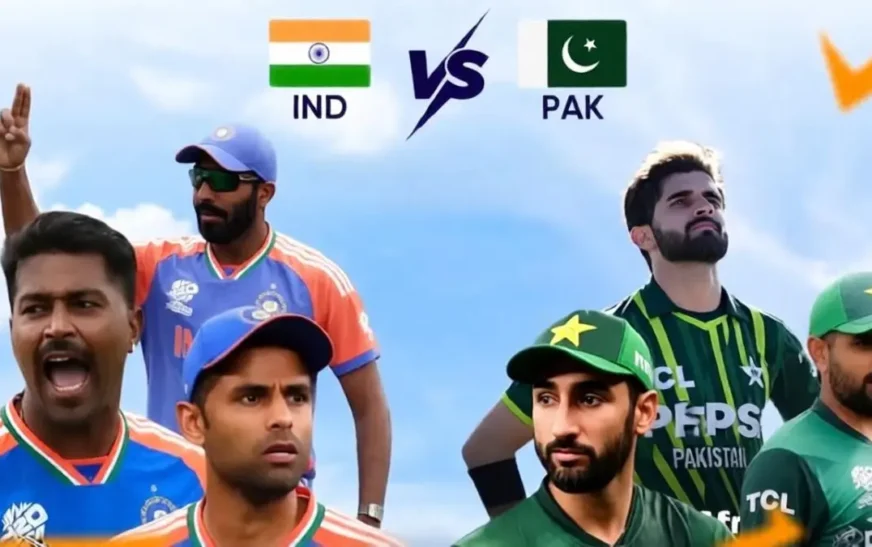
Few contests in the realm of sport transcend the activity itself, evolving into a cultural phenomenon, a political barometer, and an emotional release for over a billion people. The cricketing rivalry between the Indian national cricket team and the Pakistan national cricket team is precisely such a spectacle. It is not merely a game of bat and ball; it is a collision of history, national pride, and raw, unbridled passion. According to the statistical record, these two giants have crossed swords 212 times across all international formats. While the numbers reveal a closely fought contest—with Pakistan holding 88 victories to India’s 81—they fail to capture the seismic shifts in momentum, the long periods of silence, and the modern-era dominance that has redefined this epic saga.
This rivalry, stretching back to the early 1950s, is a story of eras. From cautious beginnings and a sixteen-year war-induced hiatus to Pakistani dominance in the desert sun of Sharjah, and finally, to India’s psychological stranglehold in ICC global tournaments, the narrative is anything but static. To understand cricket today, one must understand the ebb and flow of this unique sporting war.
The Overall Landscape: A Tale of Two Numbers
On the surface, the aggregate statistics suggest a slight edge for Pakistan. Out of 212 international encounters, Pakistan has secured 88 wins compared to India’s 81. The remaining 43 matches concluded as draws, no results, or ties. However, this global figure is deceptive, acting as a historical ledger that includes an era where draws were common, and the game’s pace was vastly different from the explosive cricket of the 21st century.
The true character of the rivalry emerges when these numbers are dissected by format. Pakistan’s overall lead is built on foundations laid in the longest and oldest forms of the game. India, conversely, has built its modern reputation on complete dominance in the shortest format. This divergence in performance by format highlights how the teams have evolved differently in response to changing cricketing landscapes.
Format by Format: A Statistical Deep Dive
The head-to-head record, when broken down into Test matches, One Day Internationals (ODIs), and Twenty20 Internationals (T20Is), reveals distinct battlegrounds where each team has historically held sway.
The Test Arena: A Defensive Embrace
The traditional five-day format has seen 59 matches between the neighbors. Here, Pakistan holds a slender lead with 12 wins to India’s 9. However, the most staggering number in this column is the 38 draws. For decades, particularly in the early years of the rivalry, the fear of losing was so profound that it fostered an extraordinarily defensive mindset. This was an era where both teams played not just to win, but primarily not to lose. The entire series would evaporate into a fog of stalemates, leaving fans frustrated and statisticians bewildered. The high number of draws is not a testament to a lack of skill, but rather a reflection of the immense political and emotional weight placed on every match. A loss was not just a sporting failure; it was a national humiliation. Consequently, safety became the default strategy.
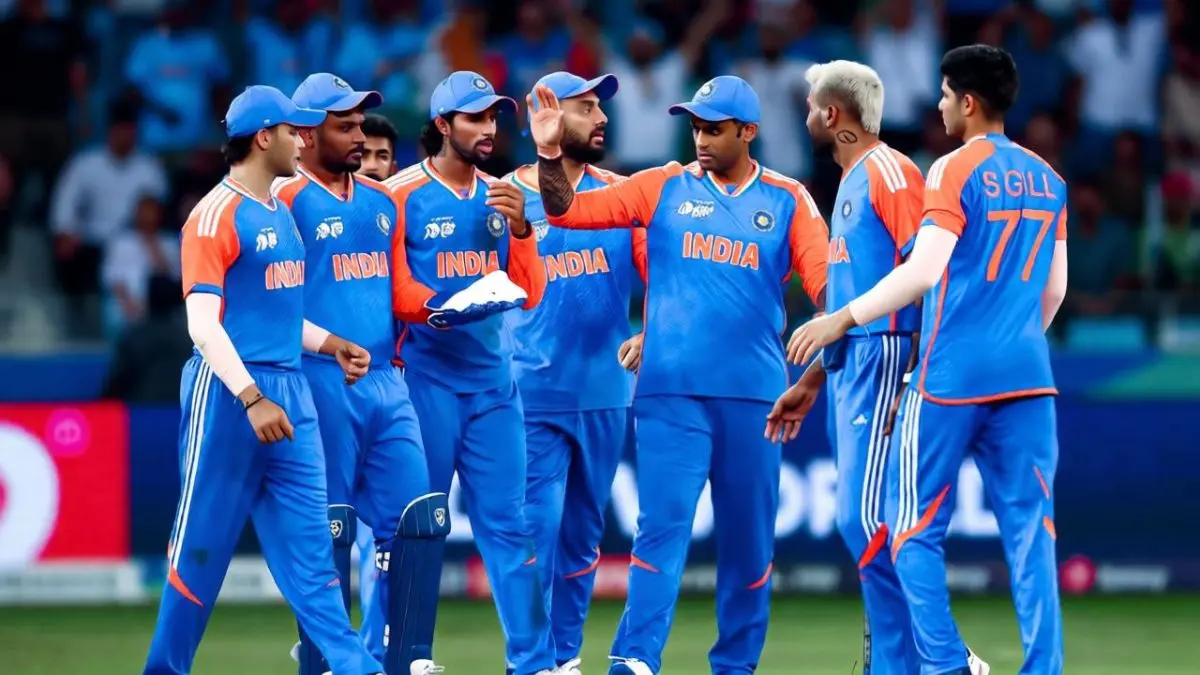
India vs Pakistan Test Series Results
Series / Tournament | Season | Winner | Margin |
| IND vs PAK Test Series | 1952/53 | India | 2-1 (5) |
| IND vs PAK Test Series | 1954/55 | Drawn | 0-0 (5) |
| IND vs PAKTest Series | 1960/61 | Drawn | 0-0 (5) |
| IND vs PAKTest Series | 1978/79 | Pakistan | 2-0 (3) |
| IND vs PAK Test Series | 1979/80 | India | 2-0 (6) |
| IND vs PAK Test Series | 1982/83 | Pakistan | 3-0 (6) |
| IND vs PAK Test Series | 1983/84 | Drawn | 0-0 (3) |
| IND vs PAK Test Series | 1984/85 | Drawn | 0-0 (2) |
| IND vs PAK Test Series | 1986/87 | Pakistan | 1-0 (5) |
| IND vs PAK Test Series | 1989/90 | Drawn | 0-0 (4) |
| IND vs PAK Test Series | 1998/99 | Drawn | 1-1 (2) |
| Asian Test Championship | 1998/99 | Pakistan | N/A |
| IND vs PAK Test Series | 2003/04 | India | 2-1 (3) |
| IND vs PAK Test Series | 2004/05 | Drawn | 1-1 (3) |
| IND vs PAK Test Series | 2005/06 | Pakistan | 1-0 (3) |
| IND vs PAK Test Series | 2007/08 | India | 1-0 (3) |
Overall Match Record Test Match
- Pakistan won: 12 matches.
- India won: 9 matches.
- Matches Drawn: 38 matches
The ODI Battleground: Pakistan’s Fortress
Moving to the 50-over format, the balance tips more decisively toward Pakistan. In 136 One Day Internationals, Pakistan has claimed victory 73 times, while India has won 58. Five matches yielded no result. This 15-match differential constitutes the bulk of Pakistan’s overall lead in the head-to-head tally. The 1980s and 1990s were particularly kind to Pakistan. Led by iconic figures like Imran Khan and Javed Miandad, Pakistan became a white-ball powerhouse. They famously dominated India at neutral venues, most notably in Sharjah, where the desert dust and passionate expatriate crowds became the backdrop for some of the most thrilling last-ball finishes in cricket history. For nearly two decades, whenever these two teams met in an ODI, particularly outside of India, Pakistan often carried a visible psychological advantage.
Moving to the 50-over format, the balance tips more decisively toward Pakistan. In 136 One Day Internationals, Pakistan has claimed victory 73 times, while India has won 58. Five matches yielded no result. This 15-match differential constitutes the bulk of Pakistan’s overall lead in the head-to-head tally. The 1980s and 1990s were particularly kind to Pakistan. Led by iconic figures like Imran Khan and Javed Miandad, Pakistan became a white-ball powerhouse. They famously dominated India at neutral venues, most notably in Sharjah, where the desert dust and passionate expatriate crowds became the backdrop for some of the most thrilling last-ball finishes in cricket history. For nearly two decades, whenever these two teams met in an ODI, particularly outside of India, Pakistan often carried a visible psychological advantage.
India vs Pakistan: ODI Head-to-Head Match Record
Date | Winner | Margin | |
| 1 Oct 1978 | Pakistan | 4 wickets | |
| 13 Oct 1978 | Pakistan | 8 wickets | |
| 16 Oct 1978 | India | 4 runs | |
| 3 Nov 1978 | Pakistan | 1 wicket | |
| 21 Nov 1979 | Pakistan | 8 wickets | |
| 23 Nov 1979 | Pakistan | 2 wickets | |
| 27 Dec 1979 | Pakistan | 7 wickets | |
| 30 Dec 1979 | Pakistan | 8 wickets | |
| 22 Jan 1980 | India | 46 runs | |
| 24 Jan 1980 | India | 6 wickets | |
| 26 Jan 1980 | India | 10 wickets | |
| 28 Jan 1980 | India | 19 runs | |
| 30 Jan 1980 | Pakistan | 7 wickets | |
| 22 Mar 1981 | India | 14 runs | |
| 24 Mar 1981 | Pakistan | 3 wickets | |
| 26 Mar 1981 | Pakistan | 37 runs | |
| 28 Mar 1981 | Pakistan | 3 wickets | |
| 30 Mar 1981 | Pakistan | 5 wickets | |
| 17 Sep 1982 | Pakistan | 144 runs | |
| 19 Sep 1982 | Pakistan | 37 runs | |
| 22 Sep 1982 | Pakistan | 3 wickets | |
| 24 Sep 1982 | Pakistan | 6 wickets | |
| 26 Sep 1982 | India | 18 runs | |
| 25 Sep 1983 | India | 28 runs | |
| 28 Sep 1983 | India | 10 wickets | |
| 30 Sep 1983 | Pakistan | 38 runs | |
| 2 Oct 1983 | Pakistan | 3 wickets | |
| 5 Oct 1983 | Pakistan | 10 wickets | |
| 31 Oct 1984 | Pakistan | 46 runs | |
| 3 Nov 1984 | India | 46 runs | |
| 22 Mar 1985 | India | 38 runs | |
| 24 Sep 1986 | Pakistan | 3 wickets | |
| 23 Feb 1987 | Pakistan | 16 runs | |
| 25 Feb 1987 | India | 5 wickets | |
| 27 Feb 1987 | India | 5 wickets | |
| 1 Mar 1987 | Pakistan | 6 wickets | |
| 4 Mar 1987 | India | 5 wickets | |
| 20 Mar 1987 | Pakistan | 3 wickets | |
| 22 Mar 1987 | India | 40 runs | |
| 15 Oct 1987 | Pakistan | 1 wicket | |
| 12 Dec 1988 | Pakistan | 72 runs | |
| 23 Oct 1989 | Pakistan | 6 wickets | |
| 15 Nov 1989 | Pakistan | 6 wickets | |
| 18 Dec 1989 | Pakistan | 7 runs | |
| 20 Dec 1989 | Pakistan | 8 runs | |
| 22 Dec 1989 | Pakistan | 65 runs | |
| 25 Apr 1990 | Pakistan | 3 wickets | |
| 27 Apr 1990 | India | 4 runs | |
| 1 Mar 1991 | Pakistan | 4 wickets | |
| 10 Nov 1991 | Pakistan | 8 wickets | |
| 14 Dec 1991 | India | 60 runs | |
| 4 Mar 1992 | India | 43 runs | |
| 24 Oct 1992 | Pakistan | 5 wickets | |
| 22 Mar 1994 | India | 7 wickets | |
| 15 Apr 1995 | Pakistan | 6 wickets | |
| 3 Apr 1996 | Pakistan | 38 runs | |
| 12 Apr 1996 | Pakistan | 7 wickets | |
| 9 Mar 1996 | India | 39 runs | |
| 12 Sep 1996 | India | 8 wickets | |
| 13 Sep 1996 | Pakistan | 2 wickets | |
| 16 Sep 1996 | Pakistan | 51 runs | |
| 13 Sep 1997 | India | 20 runs | |
| 14 Sep 1997 | India | 74 runs | |
| 17 Sep 1997 | Pakistan | 35 runs | |
| 18 Sep 1997 | India | 5 wickets | |
| 21 Sep 1997 | India | 5 wickets | |
| 10 Jan 1998 | India | 8 wickets | |
| 14 May 1998 | India | 6 wickets | |
| 11 Apr 1999 | India | 7 wickets | |
| 14 Apr 1999 | Pakistan | 7 wickets | |
| 12 Jun 1999 | India | 47 runs | |
| 8 Jan 2000 | Pakistan | 32 runs | |
| 19 Mar 2000 | Pakistan | 5 wickets | |
| 3 Jun 2000 | Pakistan | 44 runs | |
| 13 Mar 2004 | India | 5 runs | |
| 16 Mar 2004 | Pakistan | 12 runs | |
| 19 Mar 2004 | India | 5 wickets | |
| 21 Mar 2004 | India | 5 wickets | |
| 24 Mar 2004 | Pakistan | 6 wickets | |
| 19 Sep 2004 | Pakistan | 3 wickets | |
| 13 Nov 2004 | India | 6 wickets | |
| 2 Apr 2005 | India | 87 runs | |
| 5 Apr 2005 | India | 58 runs | |
| 9 Apr 2005 | Pakistan | 9 wickets | |
| 12 Apr 2005 | Pakistan | 3 wickets | |
| 15 Apr 2005 | India | 5 wickets | |
| 17 Apr 2005 | Pakistan | 159 runs | |
| 14 Feb 2006 | Pakistan | 7 runs | |
| 16 Feb 2006 | India | 7 wickets | |
| 19 Feb 2006 | Pakistan | 1 wicket | |
| 12 Apr 2006 | India | 6 wickets | |
| 16 Apr 2006 | India | 39 runs | |
| 18 Nov 2007 | India | 5 wickets | |
| 23 Nov 2007 | India | 6 wickets | |
| 26 Nov 2007 | India | 46 runs | |
| 15 Nov 2007 | India | 5 wickets | |
| 18 Nov 2007 | India | 31 runs | |
| 3 Jul 2008 | Pakistan | 25 runs | |
| 26 Sep 2009 | Pakistan | 7 wickets | |
| 19 Jun 2010 | India | 3 wickets | |
| 30 Mar 2011 | India | 29 runs | |
| 18 Mar 2012 | India | 6 wickets | |
| 30 Dec 2012 | Pakistan | 6 wickets | |
| 3 Jan 2013 | Pakistan | 85 runs | |
| 6 Jan 2013 | India | 10 runs | |
| 15 Jun 2013 | India | 8 wickets | |
| 2 Mar 2014 | Pakistan | 1 wicket | |
| 15 Feb 2015 | India | 76 runs | |
| 4 Jun 2017 | India | 124 runs | |
| 18 Jun 2017 | Pakistan | 180 runs | |
| 19 Sep 2018 | India | 8 wickets | |
| 23 Sep 2018 | India | 9 wickets | |
| 16 Jun 2019 | India | 89 runs | |
| 14 Oct 2023 | India | 7 wickets |
Overall Match Record ODI
- Total Matches: 136
- Pakistan Wins: 73
- India Wins: 58
- No Result / Abandoned: 5
The T20 Revolution: India’s Unquestioned Kingdom
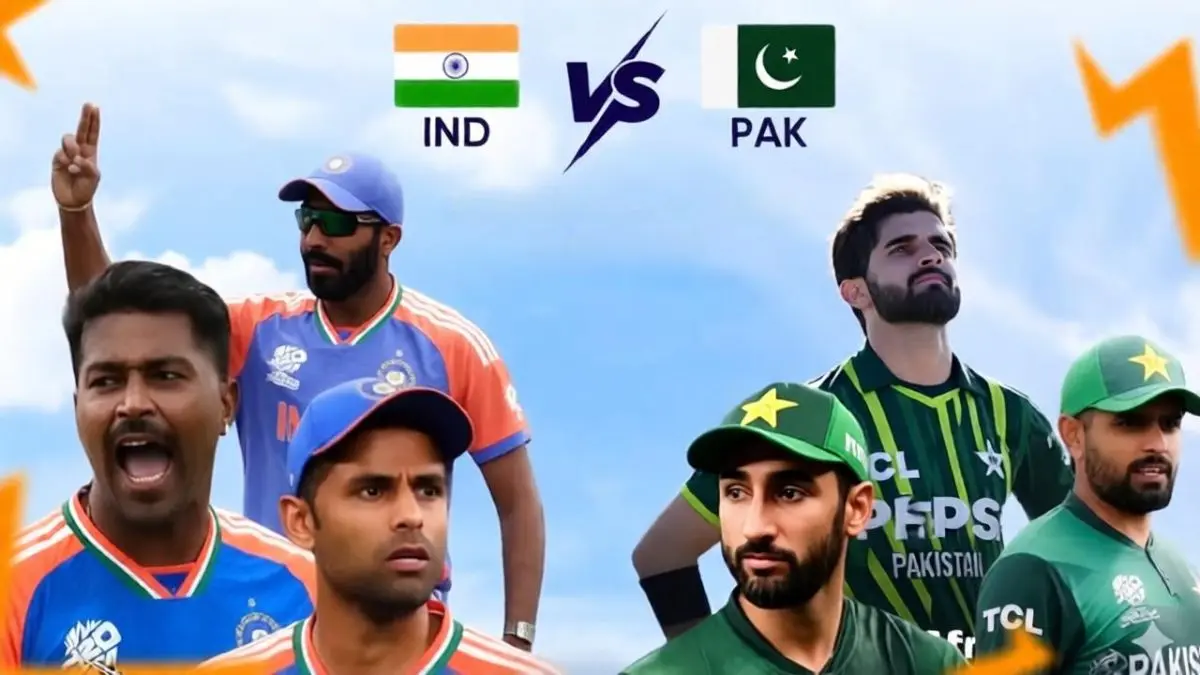
If the ODI format belongs to Pakistan historically, the Twenty20 International format is India’s undisputed kingdom. The two sides have clashed 17 times in T20Is, and the result is a staggering imbalance: India has won 14 matches, Pakistan a mere 3. There are no draws or no results in this column. It is worth noting that this tally includes a unique anomaly: the 2007 T20 World Cup group stage match. That contest ended in a tie, but India was declared the winner via a bowl-out, a now-defunct tie-breaker. Regardless, the modern narrative is clear. The advent of T20 cricket, with its emphasis on fearless batting and aggressive pace bowling, seems to have unlocked a new level of performance in the Indian team when facing their arch-rivals. This format has been the stage for some of India’s most memorable heists and dominant displays, setting the tone for a new era of rivalry.
Here is the complete record of T20 International matches between India and Pakistan based on the data provided:
Date | Venue | Winner | Margin |
| Sep 14, 2007 | Durban | India | – Boling |
| Sep 24, 2007 | Johannesburg | India | 5 runs |
| Sep 30, 2012 | Colombo (RPS) | India | 8 wickets |
| Mar 21, 2014 | Dhaka | India | 7 wickets |
| Mar 19, 2016 | Kolkata | India | 6 wickets |
| Feb 27, 2016 | Dhaka | India | 5 wickets |
| Oct 24, 2021 | Dubai (DSC) | Pakistan | 10 wickets |
| Sep 4, 2022 | Dubai (DSC) | India | 5 wickets |
| Oct 23, 2022 | Melbourne | India | 4 wickets |
| Oct 23, 2022 | Melbourne | India | 4 wickets |
| Jun 9, 2024 | New York | India | 6 runs |
Overall Match Record T20
- Total Matches: 17
- Matches won by India: 14
- Matches won by Pakistan: 3
The Tournament Chokehold: ICC Events and the Psychological Edge
While the bilateral statistics tell a story of historical give-and-take, the dynamic shifts entirely when the stage is a multi-nation tournament. The information provided highlights a “psychological and statistical chokehold” that India holds over Pakistan in global events. This is not hyperbole; it is borne out by cold, hard numbers across the International Cricket Council’s (ICC) premier competitions.
Across all editions of the ICC Men’s World Cups—combining both the 50-over World Cup and the T20 World Cup—the teams have met 17 times. The record defies cricketing logic: India has won 16 of those matches, while Pakistan has managed only a single victory.
The ODI World Cup: The Perfect Streak
In the 50-over World Cup, the most prestigious prize in the sport, India maintains a perfect, unblemished 8–0 record against Pakistan. This streak, which continued through their most recent 50-over World Cup meeting, is arguably the most daunting psychological barrier in all of sports. For over three decades, across continents, pitches, and generations of players, the Indian team has never faltered against Pakistan on cricket’s biggest stage. This record is a ghost that haunts every Pakistani player who walks out for a 50-over World Cup match against India. No matter how strong the Pakistani squad appears on paper, the weight of this 8–0 History is an invisible chain.
The T20 World Cup: Near Total Domination
The shorter World Cup format offers a slightly less, but still remarkably lopsided, picture. India leads Pakistan 8–1 in T20 World Cup encounters. Pakistan’s lone consolation, its only World Cup victory of any kind against India in the entire history of the rivalry, came during the 2021 T20 World Cup held in Dubai. For one night, the streak was broken, and Pakistani fans celebrated a cathartic release of decades of frustration. However, any hopes of a lasting power shift were swiftly extinguished. In their most recent T20 World Cup meeting, held in Colombo, India reasserted its dominance with a commanding 61-run victory, reminding the world that the 2021 result was the exception, not the new rule.
The Champions Trophy: An Island of Parity
There is one ICC tournament where the dynamic is radically different: the ICC Champions Trophy. Here, the record is deadlocked at 3–3. Unlike the World Cups, where the pressure seems to uniquely favor India, the Champions Trophy has been a more open contest. This competition, often seen as a secondary event, seems to lack the same existential weight as the World Cup, allowing both teams to play with greater freedom. The tied record serves as a reminder that on neutral ground, without the crushing weight of World Cup history, Pakistan is more than capable of matching India blow for blow.
The Historical Eras: From Cautious Handshakes to Modern Warfare
The statistics only tell half the story. The other half is written in the political and social history of the subcontinent. The rivalry has moved through distinct, identifiable eras, each shaped by the geopolitics of its time.
The Early Years (1952–1962): A Respectful Stalemate
When the two nations first met on a cricket field, the atmosphere was not one of venom, but of cautious respect and palpable anxiety. The fear of losing to the other was so immense that it paralyzed the game. This era was defined by a “highly defensive approach,” resulting in an extraordinary number of drawn matches. So extreme was this caution that on two consecutive occasions, an entire five-match series concluded with 0–0 draws. This was a diplomatic dance played out in white flannels; both sides were more terrified of defeat than they were excited by victory. It was cricket as a ceasefire rather than a battle.
The Long Interruption (1962–1978): The Lost Generation
The cordial, if cautious, nature of the rivalry was shattered by war. Following the conflicts of 1965 and 1971, cricketing ties between the two countries were completely severed. For sixteen long years, they did not play a single match. This interruption—spanning from 1962 to 1978—created a “lost generation” of legendary players who never got to experience the unique intensity of an India-Pakistan contest. Greats from both sides retired with a void in their careers, their potential rivalries left to the imagination of fans. When ties eventually resumed, the cricket was no longer just a game; it carried the unresolved tensions of two wars.
Pakistani Dominance (1980s–1990s): The Sharjah Dynasty
The resumption of cricket saw the rise of a formidable Pakistani machine. The 1980s and 1990s were the golden age of Pakistani cricket. Led by the charismatic and brilliant Imran Khan, and later the mercurial Javed Miandad, Pakistan became a cricketing superpower. This was the era of their famous dominance over India in the ODI format, particularly at neutral venues like Sharjah. The desert emirate became a cauldron of noise and emotion, and more often than not, it was Pakistan emerging victorious in last-over thrillers. For the Indian fan, watching a match in Sharjah against Pakistan was an exercise in controlled agony.
Cricket Diplomacy and Resurgence (1999–2007): The Friendship Series
The turn of the millennium brought a brief but memorable thaw. Despite ongoing political conflicts and simmering border tensions, cricket was consciously deployed as a tool for diplomatic rapprochement. This period is best exemplified by India’s historic 2004 tour of Pakistan, aptly dubbed the “Friendship Series.” For the first time in over a decade, Indian players stepped onto Pakistani soil, and Pakistani fans welcomed them with an enthusiasm that drowned out the political noise. This tour produced unforgettable, high-scoring matches and iconic individual performances. For a few fleeting summers, cricket brought the two nations closer than any political summit ever could.
The ICC Tournament Era (2008–Present): The Bilateral Freeze and the Global Stage
The optimism of the mid-2000s came to a tragic end following the 2008 Mumbai attacks. In the aftermath, bilateral cricket between India and Pakistan stopped completely. As of the latest data, it remains frozen. No tours, no home series, no bilateral exchanges. The only way these two teams can now meet is at a neutral venue during a multi-national ICC event.
This political reality has fundamentally redefined the rivalry. Deprived of regular five-match series, every single encounter now takes place under the blinding lights of a global tournament. This compression of rivalry into sporadic, high-stakes World Cup matches has actually intensified the pressure. And in this new reality, India has held a “massive psychological edge.” Their combined winning record against Pakistan across all ICC World Cups stands at an astonishing 16–1. The bilateral freeze, intended to be a political punishment, has inadvertently created a tournament monster in the Indian team, who treat every Pakistan clash as a knockout final—and almost always win.
Conclusion: A Rivalry Frozen in Time, Burning in Memory
The India vs. Pakistan cricket rivalry is a paradox. It is a statistical contest where Pakistan leads the overall wins, yet India has won almost every World Cup match. It is a political rivalry that refuses to die, yet exists only in isolated bursts at neutral venues. It is a shared cultural heritage—the same language of lbw, googly, and cover drive—sundered by borders that feel insurmountable.
The numbers offer a fascinating autopsy. Pakistan’s 88 wins to India’s 81 speak to their historical mastery of ODI cricket and their grit in Test matches. India’s 14–3 T20I record and their 16–1 World Cup chokehold speak to their modern adaptability and unshakeable nerve on the biggest stages. The 38 Test draws speak to an era of fear. The 16-year interruption speaks to the tragic intrusion of war into sport.
Today, the rivalry exists in a unique purgatory. With bilateral ties suspended indefinitely, a new generation of fans has never seen a Test match between these two neighbors. They have never witnessed a home series where the crowd is split between the two halves of a stadium. Instead, they inherit a rivalry that is pure, distilled, and terrifyingly high-stakes: a one-off match in a World Cup, where the winner takes all, and the loser lives with the memory for four years.
Based on the history, one thing is certain. As long as India and Pakistan continue to meet on a cricket field—whether it is in a T20 World Cup in Colombo or a 50-over World Cup anywhere on earth—the world will stop to watch. The 212 matches played so far are merely the prologue. The rivalry, frozen in bilateral time but burning in collective memory, remains the greatest show in sport.
Footnotes
References
External links